Introduction: Bathrooms Reimagined for 2026 Bathroom Trends
Why Bathrooms Are Entering a New Era: Bathrooms are no longer just utilitarian washrooms, they’re evolving into wellness-forward sanctuaries. In 2026, bathroom design is shifting away from glossy, sterile finishes and moving toward spaces that feel warm, artful, and emotionally rich. Homeowners are craving bathrooms that provide restoration and personal expression, not just a functional daily routine. Major design shifts point to “patina over polish”, embracing materials that show texture and character instead of mirror-like shine. Subtle asymmetry and organic touches are replacing strict perfection. The result? Bathrooms that feel more authentically lived-in and nurturing, rather than cold or clinical. Bathroom Trends
The MGS Contracting Services Perspective: As Northern Virginia’s home remodeling experts, MGS Contracting Services has a front-row seat to these emerging bathroom trends. Homeowners around Leesburg, Ashburn, Sterling, Herndon, Reston, and Fairfax are asking for custom bathrooms that blend spa-like luxury, smart functionality, and timeless materials. We’ve noticed our clients want personalized retreats, not cookie-cutter designs, with texture-rich finishes and natural elements. These 2026 bathroom trends align perfectly with MGS’s core strengths in bespoke craftsmanship and high-quality bathroom builds. Our team is excited to help clients bring these designer-approved ideas to life in a way that suits both their lifestyle and budget.
Expert Voices Setting the Tone: Top interior designers are reinforcing this new direction. Designer Abby Wolf-Weiss and blogger Melanie Boyden both highlight a major shift in bathroom trends toward character and comfort. The consensus among design pros is clear: polish is out, patina is in. That means embracing finishes that show depth and age, fixtures that feel collected over time, and layouts that favor subtle imperfections over symmetry. “I hope we’re moving away from stark, perfectly symmetrical stacked tile that can make a bathroom feel a bit clinical,” Wolf-Weiss says, advocating for more relaxed, unexpected layouts and artisan details. Melanie Boyden agrees, she notes that homeowners are seeking designs with soul, from vintage light fixtures to weathered stone, rather than brand-new glitz. This design philosophy is one that MGS Contracting Services embraces wholeheartedly, ensuring every remodel results in a bathroom with soul, story, and serenity.
Below, we’ll explore six exciting bathroom trends designers love for 2026, and practical tips on how you can incorporate each of them into your own home. These bathroom trends range from Old-World touches like hand-painted tiles to high-tech upgrades that make your bath more efficient. Let’s dive in! Bathroom Trends
CREDIT: PINTEREST
Trend #1: Hand-Painted Tiles — Artistry Meets Everyday Living
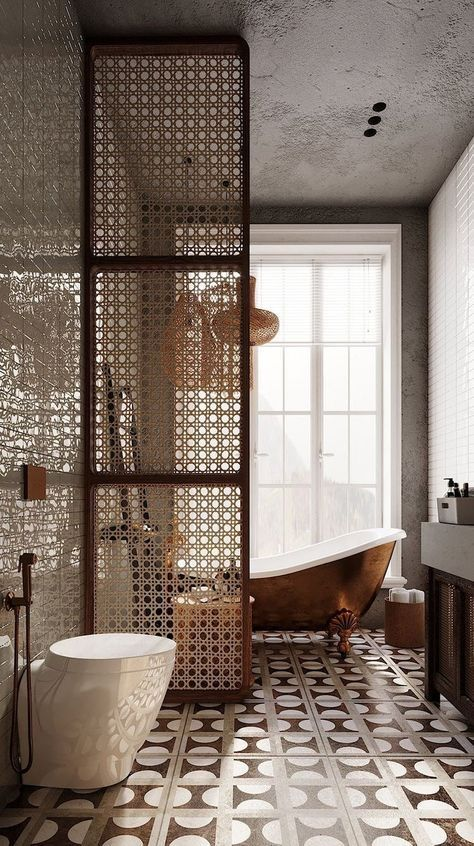
What Hand-Painted Tile Brings to Modern Bathrooms: In 2026, sterile subway tiles and factory-perfect grids are taking a backseat to the charm of hand-painted tiles. These tiles bring soft irregularities and artisanal character to a bathroom. Because each piece may have slight variations in color or pattern, a hand-painted tile installation never feels like a monotonous repeat, it feels one-of-a-kind. This artful imperfection is a refreshing counterbalance to the “clinical” vibe that perfectly symmetrical tile can create. Instead of a cold, overly polished surface, you get a warm, lived-in look with hand-painted ceramic or porcelain. The effect often evokes a European cottage or Old-World bathhouse, infusing your bathroom with a sense of history and craft. In essence, this bathroom trend turns an ordinary shower or backsplash into a canvas for artwork. The tactile, layered look of hand-painted tiles adds depth that glossy, machine-made tiles simply can’t match. Bathroom Trends
Popular Styles for 2026: We’re seeing a delightful array of hand-painted tile styles rise in popularity for bathrooms: Bathroom Trends
- Delft-Inspired Blue and White: Classic blue-and-white motifs (in the style of Dutch Delftware) are making a comeback. Designers use these delicate tiles sparingly, for example, scattering a few storybook Delft tiles across a field of white tile for a touch of whimsy. The pop of cobalt blue adds charm without overwhelming the space. Bathroom Trends
Bathroom Trends - Botanical Illustrations: Tiles featuring hand-painted flowers, leaves, and vines bring the garden indoors. Soft floral tiles can punctuate your backsplash or shower niche, adding an organic feel that complements plants or wicker accents in a spa-like bath. Each botanical tile feels like a tiny painting and reinforces a calming, natural theme. Bathroom Trends
Bathroom Trends - Scattered Motifs on Neutrals: Instead of tiling entire walls in busy patterns, 2026’s trend is to use motif tiles as “moments.” For instance, a mostly neutral shower wall might have the occasional hand-painted motif tile (a bird, a geometric, a symbol) randomly placed among plain tiles. This playful approach keeps things subtle yet interesting, you notice the accents without the design feeling busy. Bathroom Trends
Bathroom Trends - Moroccan or Portuguese Artisanal Squares: Global influence is big in bathroom trends. Homeowners love Moroccan zellige tiles, those perfectly imperfect glazed clay tiles, for their rich color variation and handmade feel. Similarly, Portuguese azulejos or Spanish-style tiles with intricate patterns are popular for creating a focal wall. Their sunbaked terracotta and faded jewel tones add warmth and a hint of Mediterranean soul. Bathroom Trends
Bathroom Trends - Heritage Patterns and Soft Colors: Beyond bold patterns, many hand-painted tiles in 2026 feature washed-out pastels, soft greys, or muted greens that feel heritage and vintage. Think subtle, bespoke patterns that look like they could be from a historic estate. This nostalgic wave celebrates craftsmanship and bygone eras, aligning with the broader “patina” movement in design. Bathroom Trends
Bathroom Trends
Where MGS Can Integrate Hand-Painted Tile: If you’re excited about this artistic tile trend, MGS Contracting Services can help you incorporate it strategically into your bathroom remodel. Some great places to feature hand-painted tiles are: Bathroom Trends
- Shower Walls or Niches: Imagine stepping into your shower and seeing a beautiful panel of hand-painted tiles as an accent amid simpler field tiles. We can create an accent stripe or niche back panel that draws the eye without overpowering the shower. Bathroom Trends
Bathroom Trends - Backsplashes Behind Vanities: The wall area behind a sink or a freestanding vessel sink is perfect for a decorative tile moment. A few rows of hand-painted tile here can act like a backsplash artwork behind your vanity, making daily routines feel a touch more luxurious. Bathroom Trends
Bathroom Trends - Feature Walls Around Tubs: Do you have a freestanding tub as the focal point of the bathroom? Consider a feature wall of artisanal tiles behind it. For example, a collection of Moroccan-inspired tiles behind a clawfoot tub creates a spa-meets-Marrakech vibe that feels incredibly on-trend and inviting.
Bathroom Trends - Custom Vanity Front or Floor Medallion: For the truly bold, MGS can even inlay hand-painted tiles into unexpected spots, like the sides of a custom-built vanity or as a “rug” pattern on the floor bordered by larger tiles. These applications turn functional elements into art pieces. We’ll ensure the proper tile setting materials are used so these special touches last. Bathroom Trends
Bathroom Trends
Practical Styling and Maintenance Tips: Embracing hand-painted tile in a bathroom does require some thoughtful planning. Here are a few tips to make this bathroom trend successful in real life: Bathroom Trends
- Mix With Natural Materials: Pair busy patterned tiles with grounded elements. For instance, hand-painted tiles set alongside honed limestone slabs or warm oak wood will balance out the artistry with some earthy solidity. The neutral stone or wood will highlight the tiles’ colors and prevent the design from feeling too chaotic. Bathroom Trends
Bathroom Trends - Use as “Moments,” Not Marathon: A little goes a long way. Instead of covering every wall, use hand-painted tiles as accents or in one contained area. This avoids overwhelming the eye. A patchwork of beautiful tiles on one wall, paired with simple paint or larger stone tiles elsewhere, strikes the perfect balance between interest and calm. Bathroom Trends
Bathroom Trends - Seal for Longevity: Many artisan tiles are porous or have matte glazes. MGS always uses appropriate sealers on grout lines and, if needed, on the tiles themselves to protect the artwork from water damage and make cleaning easier. Sealing will keep those painted motifs looking vivid for years without requiring intense maintenance. Bathroom Trends
Bathroom Trends - Plan the Layout Carefully: Because each tile might be unique, we lay them out beforehand to get a nice distribution of color/pattern. This way you don’t accidentally end up with one side of your backsplash having all the blue tones and the other all the greens, for example. Thoughtful random placement yields an organic yet harmonious look. Bathroom Trends
Bathroom Trends
Hand-painted tiles prove that bathroom trends can be both beautiful and personal. By integrating a touch of art on your walls or floors, you infuse your bathroom with personality that truly reflects you, and we guarantee none of your neighbors will have the exact same design! Bathroom Trends
Trend #2: Sleek, Spa-Forward Layouts — Minimalism With Function
What a Spa-Forward Bathroom Really Is: One of the strongest 2026 bathroom trends is designing your bathroom layout like a high-end spa. But what does “spa-forward” actually mean? In short, it’s about creating a space that promotes relaxation, easy flow, and a calming ambiance. A spa-like bathroom feels open, airy, and uncluttered, as if you’ve stepped into a tranquil resort. Key to this concept is a minimalist approach, clean lines, minimal visual barriers, and a focus on wellness. Instead of cramming in as many cabinets or fixtures as possible, the trend is to open up the floor plan (where feasible) so the room feels more spacious and serene. Spa-forward also means sensory comfort: think soft lighting, warm towels at the ready, and maybe even music or aromatherapy. Essentially, everything in the bathroom serves a purpose and contributes to a sense of calm. This trend is a reaction to bathrooms that felt tight, busy, or purely utilitarian. In 2026, homeowners want their bathrooms to be an experience, not just a pit-stop. Bathroom Trends
Top Spa-Focused Features for 2026: Several design features are defining the spa-style bathroom trend. Designers and remodelers are incorporating elements that you’d typically see in luxury spas or boutique hotels. Here are some of the top features transforming bathrooms into peaceful retreats: Bathroom Trends
- Level-Threshold Walk-In Showers: Say goodbye to stepping over a tall tub ledge or shower curb. Curbless, zero-threshold showers are extremely popular now. The shower floor is flush with the bathroom floor, often with a subtle slope toward a linear drain. This not only looks clean and expansive, but it’s also safer (no tripping hazard) and more accessible for all ages. The seamless look of a curbless shower immediately reads “spa” and makes the room appear larger. Bathroom Trends
Bathroom Trends - Linear Drains and Large-Format Tile: To complement that curb-free shower, linear drains (long, narrow drains along one edge) are used to whisk water away efficiently without a center drain disrupting the tile pattern. Large-format tiles or continuous stone slabs on the floor help create that unbroken, flowing surface. Fewer grout lines = more visual calm. Bathroom Trends
Bathroom Trends - Ceiling-Mounted Rainfall Showerheads: The experience of water falling gently from above, like rain, is pure spa bliss. Ceiling-mounted rainfall showerheads are a must-have in spa-like bathrooms, according to designers like Melanie Boyden. These extra-wide fixtures distribute water more softly and evenly than a standard angled showerhead. Many homeowners are even installing dual showerheads, a rainfall from above plus a handheld shower for versatility. The result is an immersive, indulgent shower routine.
Bathroom Trends - Minimal Glass or Open Shower Enclosures: Frameless glass shower walls are still in, but some spa-inspired designs eliminate the shower enclosure entirely (if the layout permits). The “wet room” concept, where the shower is open on one side or only half-enclosed by a partition, is gaining traction for its airy feel. If glass is used, it’s often kept to a simple panel or two. Less glass means less visual clutter and easier maintenance (no doors to squeegee!). It creates a calming, open feel, almost like the bathroom is one continuous space.
Bathroom Trends - Freestanding Tubs as Centerpieces: In larger bathrooms, a beautiful freestanding tub can contribute to the spa atmosphere, offering a place for long soaks. Deep soaking tubs, even Japanese-style soaking tubs, are being incorporated as a “self-care focal point” in spa-like baths. When paired with a sleek floor-mounted filler and maybe a small side table for candles and tea, a freestanding tub area feels like a mini vacation in your home. Bathroom Trends
Bathroom Trends
Evolving Bathroom Storage: You might wonder, with all this minimalism, where do your toiletries and towels go? The key is smarter storage, not less storage. Spa-forward bathrooms in 2026 actually have more storage, but it’s very cleverly integrated to maintain a clean look. Here’s how storage is evolving as part of this bathroom trend:
- Tall Tower Cabinets: Instead of chunky medicine cabinets or cluttered open shelves, designers are opting for full-height built-in cabinets (often called linen towers or storage towers). These can be tucked in a corner or between sinks. They take advantage of vertical space, offering plenty of room for towels, skincare products, and even hidden outlets for charging toothbrushes or shavers. By going upward, they preserve floor space and make the ceiling feel higher. Melanie Boyden highlights that these towers often include built-in electrical outlets and interior lighting, so devices can stay plugged in and out-of-sight. No more electric toothbrush and hairdryer cords messing up your serene vibe! Bathroom Trends
Bathroom Trends - Floating Vanities: Heavy cabinet boxes that sit on the floor are being replaced by floating vanity units mounted on the wall. By lifting the vanity off the ground, you instantly increase the sense of space (you see more flooring which tricks the eye). Floating vanities also give a more modern, streamlined look. They often have drawers for storage but appear as sleek horizontal volumes. Plus, it’s easier to clean underneath them, a functional bonus. Bathroom Trends
Bathroom Trends - Hidden Niches and Cubbies: In showers, expect built-in niches for soaps and shampoo rather than clunky caddies. Some spa-like designs include secret cubbies with panel covers that blend into the wall, keeping personal items completely out of sight until needed. Toe-kick drawers (hidden in the bottom of vanity or cabinet) are another clever way to squeeze in storage without adding bulk up high. The motto is: everything has its place, and nothing looks too busy. Bathroom Trends
Bathroom Trends - Integrated Makeup or Grooming Stations: Some spa-inspired layouts include a small built-in vanity table or drop-down counter where one can sit and do makeup or grooming. This might be a pull-out shelf or a dedicated niche with a mirror and lights. By allocating a specific zone for these tasks, the bathroom remains organized and tailored to daily routines. Bathroom Trends
Bathroom Trends
Toilet Innovations: Even the toilet area is getting a spa-like makeover in modern bathrooms. The humble toilet is being reimagined to fit a cleaner aesthetic and to enhance privacy and comfort: Bathroom Trends
- Pocketed or Partially Screened Toilets: Rather than having the toilet in full view, new layouts often tuck the toilet behind a half-wall, an opaque glass panel, or in its own small alcove. Melanie Boyden notes that this keeps the focus of the bathroom on the more luxurious elements (like the tub or vanity), and psychologically it makes the space feel more like a wellness zone and less like a utility room. Even a simple floor-to-ceiling cabinetry panel on one side of the toilet can create a subtle sense of separation.
Bathroom Trends - Wall-Mounted Toilets: Borrowed from European design, wall-hung toilets are now a desirable feature in high-end remodels. The tank is hidden inside the wall and the bowl “floats” above the floor. Aside from looking sleek and modern, wall-mounted toilets make cleaning the floor a breeze (no base to mop around) and they save a few inches of space, useful in smaller bathrooms. They contribute to that uncluttered, everything-floating look that spa bathrooms favor. Bathroom Trends
Bathroom Trends - Bidet Functions and Comfort: Spa-like bathrooms often incorporate bidet seats or separate bidets for a touch of luxury and better hygiene. Heated seats, night lights, and self-cleaning functions in modern smart toilets certainly add to a feeling of a high-end retreat. While these techy features are part of bathroom trends in their own right, they also play into the spa theme by focusing on comfort and cleanliness.
How MGS Designs Spa-Like Bathrooms: Achieving a spa-forward layout requires thoughtful design and expert execution, this is where MGS Contracting Services excels. When we remodel a bathroom with a spa theme in mind, we:
- Create Open Zones: Our design team will often suggest removing unnecessary partition walls, widening doorways, or reconfiguring the layout to improve flow. For example, if you have a rarely-used built-in tub taking up space, we might replace it with an open shower and a freestanding tub placed more centrally as a focal point. We aim for an open concept that still provides necessary privacy.
- Incorporate Custom Half-Walls/Panels: To get that minimal glass look in the shower, we can build half-walls clad in tile or stone that block splashing water but don’t enclose the shower fully. These knee walls can also house plumbing (like the niche or even the shower controls), keeping sightlines clear. We also ensure any glass panels are installed with protective coatings to reduce spotting and maintenance, so the minimal look is also low-hassle.
- Optimize the Plumbing Layout: Spa showers with rainfall heads and multiple sprays require plumbing expertise. MGS handles all plumbing adjustments, ensuring adequate water pressure and proper drainage for curbless showers. We often install linear drains and waterproofing membranes that extend throughout the wet area to guarantee no leaks, a critical factor when you have an open shower design. Our familiarity with local Virginia building codes and standards for curbless showers means your spa bath will not only look amazing but will be properly constructed for the long term.
- Tailor Storage to the Client: We love customizing vanities and storage to each homeowner’s needs. Whether it’s building a tall linen cabinet that matches your vanity or installing floating shelves in just the right nook, we make sure you have sufficient, discreet storage. During the design phase, we’ll inventory what you need to store (towels, toiletries, cleaning supplies, etc.) and plan the cabinetry accordingly. The result is a bathroom that feels as good as it looks, everything is within reach, but nothing is cluttering the serene atmosphere.
- Focus on Lighting and Details: A true spa feeling also comes from great lighting and finishing touches. MGS will integrate dimmable LED lighting, including cove lights or under-vanity lights that give a soft glow at night (great for relaxation or midnight bathroom trips). We also pay attention to vent fans (critical in Virginia’s humid climate), often opting for quiet, humidity-sensing ventilation systems that automatically keep the space fresh and mold-free. Every detail, from the slope of your shower floor to the placement of a heated towel bar, is executed with the spa experience in mind.
In short, this bathroom trend is about quality of experience. By combining minimalist design with high-function amenities, a spa-forward bathroom can truly improve your daily life. When you step into a well-designed spa bathroom, you feel a weight off your shoulders, it’s uncluttered, calming, and centered on you. And isn’t that how your bathroom should be?
Trend #3: Vintage Statement Lighting — Character Over Cookie-Cutter
Why Vintage Lighting Is Having a Moment: In a world of endless online catalogs of look-alike light fixtures, homeowners and designers are turning to vintage lighting to give bathrooms a dose of personality. In 2026 bathroom trends, character trumps cookie-cutter every time. Vintage or antique light fixtures bring a sense of history and soul to a bathroom that brand-new, mass-produced fixtures often lack. Part of the reason this trend is booming is that people are realizing the bathroom doesn’t have to have “standard issue” lights; it can showcase unique pieces just like any other room. There was once a hesitation to use vintage fixtures in bathrooms, perhaps due to moisture concerns or wiring safety, but that’s changing. Designers have proven that with proper restoration and installation, vintage sconces or even chandeliers can work beautifully in a bathroom space. By looking beyond big-box store lighting, homeowners can find gems from the past (think mid-century Italian sconces, Art Deco globes, or rustic farmhouse pendants) that make the bathroom feel curated and unique. Vintage lighting instantly adds patina, the slight wear or aged finish on an old brass lamp, for example, creates warmth that stark chrome just can’t compete with. This trend is also fueled by the larger movement toward sustainability and reuse: salvaging a cool vintage light is eco-friendly and adds story value to your home. Instead of a generic light bar, you might have a fixture that’s 50 years old and has its own narrative. Ultimately, vintage lighting helps transform a bathroom from a plain builder-grade space into one that feels like a bespoke jewel box of style.
Designer-Favorite Vintage Styles: So, what kinds of vintage light fixtures are designers and homeowners hunting for? Here are a few lighting styles popping up in stylish bathrooms for 2026:
- Italian Modernist Sconces: These are sleek, artistic wall lights often from the 1950s-60s era (think Stilnovo or mid-century modern designs). For example, a pair of cone-shaped sconces in black and white or brass can flank a mirror and instantly elevate the space. They are geometry-meets-glamour. Italian modernist cone lights are popular because they strike a nice balance, they feel classic and chic, yet also a bit fun and retro. They also pair easily with common bathroom finishes like simple Shaker-style vanities or marble backsplashes.
- Mid-Century and Hollywood Regency: Beyond Italian pieces, any mid-century vintage lighting is fair game, from globe pendants to starburst motifs. Hollywood Regency style fixtures (like crystal flower sconces or gilded palm frond lamps from the 1960s) can add a surprising touch of luxury. A little retro glamour in the bathroom can make your morning routine feel more special.
- Patinated Brass or Tole Chandeliers: For those with larger bathrooms (or high ceilings above a tub), an oversized vintage chandelier is the ultimate statement. Designers are repurposing dining room chandeliers or foyer lights in the bathroom for drama. A brass chandelier with a natural patina (the mellowed, aged finish) brings warmth and a “collected” vibe. Tole chandeliers, which are often antique fixtures made of painted metal, sometimes with floral designs, can introduce a rich, layered feel. Cast brass tole fixtures, in particular, have an Old-World charm that’s hard to replicate with new materials.
- Industrial and Schoolhouse Lights: For a different vintage look, some are incorporating early 20th-century style industrial lights or schoolhouse pendants (those classic milk glass globes). In a modern farmhouse or transitional bathroom, these give a nostalgic touch that complements subway tile or shiplap walls.
- Eclectic Finds: The beauty of vintage is that you might stumble on a truly unusual piece, like a pair of Art Nouveau wall lamps or a deco theater light, and decide to make it the star of your bathroom. Designers are encouraging this eclectic approach. The rule is: if you love it, it can work. The mix of styles can feel intentional and arty when done right. In fact, not everything has to match perfectly to feel put together, an insight Abby Wolf-Weiss shares: with authentic vintage pieces, the charm often comes from playing with scale and not being too matchy-matchy.
How to Mix Vintage Lighting in Modern Bathrooms: Integrating vintage lights into a contemporary bathroom might sound tricky, but it’s a lot of fun. Here are some tips to make it look stunning and intentional:
- Play with Scale and Placement: One bold move designers love is using an oversized fixture in a smaller bathroom for impact. A big vintage pendant in a powder room, for instance, creates a focal point and makes the space memorable. Don’t be afraid if the fixture seems a tad large, in the right context, that can actually enhance the charm (as Wolf-Weiss notes, unexpected scale can feel just right). Similarly, you might hang a pendant lower over a vanity for a dramatic effect (just ensure it doesn’t impede headspace or sightlines).
- Mix, Don’t Match: Resist the urge to make all your metals and finishes identical. It actually looks more natural and inviting if, say, your vintage brass sconces have a different finish than your faucet or mirror frame. The eclectic mix shows the space evolved over time. For example, matte black plumbing fixtures can pair beautifully with aged brass lights, the contrast makes each element stand out. Tying them together can be as simple as having one common thread (maybe both have a geometric shape, or both feel a certain era) but they need not be a set.
- Blend Old and New Elements: To avoid your bathroom looking like a time capsule, mix vintage lighting with modern elements. If you have an antique chandelier, consider a contemporary vanity design beneath it. Or if your sconces are old-school industrial, pair them with a crisp, modern mirror. This balance makes the design feel curated. The modern pieces will highlight the uniqueness of the vintage lights, and vice versa.
- Ensure Proper Restoration: Vintage fixtures often need a bit of TLC, new wiring, maybe new sockets, to be safe for use, especially in a bathroom where moisture is present. Always have a qualified electrician (like those we work with at MGS) inspect and rewire vintage lights to meet modern safety codes. Once that’s handled, you can enjoy them worry-free. Also consider adding clear coat or appropriate finish protection if the fixture will be in a damp area, to preserve its patina without rusting.
- Layer the Lighting: Don’t rely on a single vintage fixture for all your light. Blend it into a layered lighting plan. For instance, if you install two fabulous vintage sconces, also have some recessed ceiling lights or an LED cove light to provide general illumination. This way the vintage pieces can shine (literally and figuratively) without having to over-light the room. You’ll appreciate having bright light when needed (cleaning, makeup, etc.), and you can always use dimmers to set a relaxed mood with those charming antique fixtures when you’re in the tub.
MGS Integration Opportunities: Bringing vintage lighting into a remodel is one area where professional help is invaluable. At MGS, we love when clients want to incorporate unique lighting, and we assist every step of the way:
- Sourcing and Selection: We can help source vintage fixtures through our network of antique dealers and architectural salvage shops around Virginia and beyond. If you show us a style you love (say, 1920s French sconces or mid-century pendants), we can often find similar pieces or advise on reliable reproduction options that give a vintage look with new wiring.
- Safe Installation: Our electricians will rewire and retrofit vintage lights to ensure they function with today’s standards. Old fixtures often weren’t grounded or moisture-rated; we make sure any fixture going into a bathroom is safe, adding proper grounding and insulation as needed. We also plan the mounting, some heavy antique chandeliers require extra support in the ceiling. MGS will add blocking or reinforcement in walls/ceilings during construction to hold that weight, so your prized vintage chandelier is secure.
- Design Coordination: We’ll make sure the placement of vintage fixtures works with the rest of the design. For example, if you have a large pendant, we check clearances so doors or cabinets don’t hit it. If sconces are an odd size, we adjust mirror and vanity sizing to fit aesthetically. This attention to detail ensures the vintage lighting looks like it truly belongs in the space, not like an afterthought.
- Blending Electrical with Decor: Modern bathrooms often need more lighting and outlets than older ones. We can integrate LED accent lighting (like under-cabinet lights or backlit mirrors) to supplement your vintage fixtures in a subtle way. And if you love the look of an antique light but it’s not bright enough on its own, we might hide a small recessed light nearby to boost illumination while letting the vintage piece be the star. Our goal is to marry old-world charm with modern convenience seamlessly.
By embracing vintage statement lighting, you add a wow factor to your bathroom that is truly one-of-a-kind. It’s a conversation starter and a design element that can set the tone for the whole space. In the landscape of 2026 bathroom trends, this one reminds us that sometimes looking to the past can be the best way to feel stylish today.
Trend #4: Energy and Water-Saving Tech — Sustainability Meets Luxury
The New Standard in Eco-Friendly Bathroom Design: Sustainability isn’t just a buzzword, it’s becoming a baseline expectation in modern bathroom renovations. One of the most important bathroom trends of 2026 is the integration of energy-efficient and water-saving technologies into even the most high-end bathrooms. The big idea here is efficiency without compromise. Homeowners want to enjoy spa-like comfort and convenience while also conserving resources (and saving on utility bills). Eco-conscious design has evolved far beyond the old low-flow showerheads that sometimes sacrificed performance. Today’s green bathroom tech is smart, nearly invisible, and often enhances luxury rather than detracting from it. In fact, many building codes, including those in Virginia, are nudging towards more water-efficient fixtures, but 2026’s trendsetters are voluntarily embracing these features as part of a forward-thinking lifestyle. A well-designed sustainable bathroom not only reduces your environmental footprint; it can also improve the longevity of your home (less moisture = less mold, controlled water use = fewer plumbing issues) and provide peace of mind. For many homeowners, having a “smart” bathroom that monitors itself and optimizes resource use is the new pinnacle of luxury living. It’s about being kind to the planet and kind to yourself at the same time.
Trending Smart-Tech Upgrades: Bathrooms are getting brainy! Here are some of the top tech upgrades and gadgets making waves in 2026 bathrooms, all geared toward saving water or energy (often both):
- Thermostatic Digital Shower Valves: These devices precisely control your water temperature and flow, and some can be programmed or controlled via smartphone. A digital valve remembers your preferred temperature, so no more fiddling with the knobs daily, it opens at the perfect warmth every time, saving water that usually runs down the drain during adjustment. It can also automatically pause the shower if you step away (say, to grab a towel), preventing water waste. Essentially, you get a hi-tech shower that’s always comfortable and efficient.
- Real-Time Water Usage Monitors: Smart water monitoring systems can be installed on your main or individual fixture lines. They display how many gallons you’re using and can even report usage to your phone. This instant feedback tends to encourage us to use less water (nobody wants to see that they used 50 gallons on a long shower!). Over time, these monitors help identify patterns and opportunities to conserve. Some smart showers come with this feature built-in, showing a little LED indicator when you’ve used a certain number of gallons, a gentle nudge to wrap up.
- Leak Detection Sensors: One of the unsung heroes of bathroom tech, leak detectors can sense water where it shouldn’t be, under a sink, behind a toilet, or near a tub, and immediately alert you via smartphone before that minor drip becomes a major flood. Given how catastrophic water damage can be, this is a brilliant preventative measure. Many smart leak sensors today tie into whole-home systems and will send a text or push notification if they detect moisture. Some advanced systems even automatically shut off the water supply if a significant leak is detected. This is all about protecting your home proactively.
- Smart Ventilation Systems: Proper ventilation is key to saving energy (by reducing mold and avoiding costly repairs) and maintaining air quality. New smart exhaust fans have humidity sensors that turn on automatically when moisture levels rise, and turn off when no longer needed, so you’re not leaving the fan running for hours. They can also integrate with home automation to exchange air at scheduled times, or connect to your smart thermostat to coordinate climate control. A well-regulated fan ensures your bathroom dries out quickly, preventing mildew without wasting electricity. Some even come with heat-exchanger features to retain room heat while venting out moist air, an energy saver in winter.
- Touchless Fixtures: From motion-sensor faucets that only run when your hands are under them, to touchless soap dispensers and even toilets with auto flush, these features contribute to both hygiene and water savings. A sensor faucet ensures water isn’t gushing while you’re brushing teeth or lathering hands. The latest models are more refined in sensing and can be programmed for max run times to further conserve water.
Heating and Comfort Innovations: Saving energy doesn’t mean skimping on comfort, in fact, many trends marry the two by using smart heating. Here are a couple of warming features gaining popularity that keep you cozy efficiently:
- Zoned Radiant Floor Heating: Heated bathroom floors have been a luxury for a while, but now they’re smarter and more economical. Zoned radiant heating means you can heat specific areas (zones) of the floor rather than the whole bathroom at once, or heat different bathrooms independently on different schedules. For instance, you might program the master bath floor to warm up only from 6-7am on weekdays, whereas a rarely used guest bath floor stays off. These systems can learn your routine and optimize energy use, so no electricity is wasted. And the comfort of stepping onto a gently warm tile or stone floor on a cold morning is incomparable, spa-like luxury with energy awareness. As Boyden notes, underfloor heating helps keep bills in check while still delivering cozy comfort.
- Heated Towel Racks on Timers: Heated towel bars or racks give you toasty towels after a bath, but leaving them on all day can use unnecessary power. The trend now is to put these on smart timers or integrate them with your home’s smart system. You can schedule the towel warmer to turn on 30 minutes before your shower time and turn off automatically, or even activate it remotely from your phone (“I’m taking an unexpected dip in the hot tub, better warm a towel!”). Some models have multiple heat settings and auto-shutoff after a few hours for safety. This way, you enjoy the luxury of a warm towel without accidentally running the heater all night.
How MGS Incorporates These Technologies: At MGS Contracting Services, we stay up-to-date with the latest smart home and sustainable tech, so we can seamlessly integrate these upgrades into your bathroom remodel. Here’s how we help homeowners get the most from this bathroom trend:
- Planning and Wiring for Smart Systems: Many of these technologies, digital valves, sensors, smart mirrors, etc., require power and sometimes Wi-Fi. During the remodel design, we’ll discuss which smart features you want and ensure the wiring and outlets are put in place neatly (often hidden inside cabinets or walls). For example, if you want a digital shower system, we’ll create an access panel for its control box and run a dedicated electrical circuit if needed. By planning ahead, we avoid ugly wires later on and ensure everything works without frequent battery changes.
- Fixture Selection and Installation: We can recommend high-quality, proven products (like the best smart thermostatic valve brands, or reliable leak detection systems). We often install efficient fixtures such as low-flow toilets that flush effectively, or air-injected showerheads that feel high-pressure while using less water. Since we handle hundreds of projects, we know which eco-friendly products perform well in real homes. We’ll bundle those into your design so you don’t have to research each one. Installation is handled by our trained plumbers and electricians, so all tech is set up and calibrated correctly, from balancing the in-floor heat zones to syncing the smart fan with its app.
- Integration with Existing Smart Home Systems: If your home already uses Alexa, Google Home, or a dedicated hub, MGS will make sure your new bathroom tech plays nicely with it. Want your bathroom lights and fan to respond to voice commands? We can make that happen. Prefer a single app to control the heated floor and the leak sensors? We’ll choose components that unify well. A cohesive system means you actually use the features more often (and benefit from the savings/comfort).
- Educating Homeowners: Tech is only great if you know how to use it. We take time after installation to teach you how everything works. We’ll show you how to program your floor heating schedule, set up alerts for the leak detector, or change the presets on your digital shower. You’ll also get all the manuals and our support if any questions arise later. This white-glove handover ensures you feel confident leveraging your new smart bathroom to the fullest.
Benefits for Homeowners: Embracing eco-friendly tech in the bathroom offers numerous payoffs, some immediate and some long-term:
- Lower Utility Bills: Using less water and power naturally translates to savings on your water and energy bills. Over a year, efficient fixtures and smart controls can save thousands of gallons of water and meaningfully reduce electricity usage, especially with things like controlled heating. Those savings put money back in your pocket over time, effectively paying off the investment in the tech.
- Preventing Costly Damage: A small leak can go unnoticed for weeks if you’re not vigilant, causing mold or floor damage that costs a fortune to fix. Smart leak detectors catch issues early, potentially saving you from a disaster. Similarly, auto shut-off features on faucets (like motion faucets that stop when you’re not there) can prevent an overflow if someone forgets to close a tap. It’s like having a guardian angel for your bathroom.
- Enhanced Comfort and Convenience: Paradoxically, going “green” in the bathroom often means a better experience. You get consistent warm water without fluctuations, floors that are warm only when you need, mirrors that don’t fog (thanks to built-in demisters in some smart mirrors), and fans you never have to remember to turn on. It’s luxury with less effort. Many who have made these upgrades say they’d never go back, for instance, once you have a toilet with a bidet seat that lights up at night and saves toilet paper, you wonder how you lived without it!
- Increased Home Value: Investing in smart, sustainable bathrooms can boost your property value. Buyers are increasingly looking for homes with energy-efficient updates and smart home features. A remodeled bathroom that boasts these technologies is a strong selling point; it signals that the home is modern, well-thought-out, and cheaper to maintain. Even if you’re not selling soon, you’re future-proofing your home.
- Positive Environmental Impact: Last but not least, there’s the feel-good factor. By following this bathroom trend, you’re doing your part to conserve precious water (important in areas that experience shortages) and reduce energy consumption. If you’ve installed solar panels or other green systems at home, a water-saving bathroom maximizes those efforts. Living sustainably in style can be deeply satisfying, you can indulge in that long shower knowing your system is optimized to avoid waste.
In summary, sustainability meets luxury in the 2026 bathroom. With MGS’s help, you can have a bathroom that is both smart and beautiful, one that looks out for you and the environment. It’s a win-win trend we’re thrilled to see more homeowners embrace.
Contact MGS Contracting Services today to schedule a consultation. Let’s talk about your vision, share some samples and photos, and explore how to create a luxurious, trend-forward bathroom that you will love for years to come. We’ll guide you through every step, from brainstorming design ideas to the final walkthrough of your gorgeous new space. With MGS by your side, you can feel confident and excited, not stressed, about remodeling.
Transform your bathroom into a luxurious, artful retreat that reflects the best of 2026 design and the best of you. Get in touch with us, and let’s start crafting the bathroom of your dreams, right here in your Northern Virginia home! Stay tune for Part 2!