
When the snow thaws, these are the renovation projects smart homeowners tackle first.
Why Spring Is the Best Season to Start Major Renovations
Spring marks a fresh start for many homeowners. After months of winter weather, people begin noticing all the things around their home that need updating, repairing, or upgrading. Maybe your roof took a beating from snow and ice. Maybe the deck is starting to rot. Maybe the kitchen renovation you’ve been putting off for years is finally calling your name. The reality is that timing matters when it comes to home renovation. Certain upgrades are far easier, more efficient, and more cost-effective when completed during mild spring weather.
In Northern Virginia, early spring weather is generally mild. For example, Fairfax’s average high in April is around the low 60s °F. These comfortable temperatures (and longer daylight) mean crews can work efficiently on anything from painting to concrete pouring without the stress of summer heat or winter cold. The typical April–May window also has relatively low humidity, helping materials like paint and concrete cure properly.
At MGS Contracting Services, owner Chris Chapman often advises homeowners to start larger renovation projects in the spring for practical reasons: Spring Renovation Projects
- Moderate Temperatures: Cooler than summer, warmer than winter – outdoor work is easier on people and materials. Spring Renovation Projects
- Better Material Performance: Paints, sealants, and concrete cure best in mild, dry conditions (not freezing or sweltering). Spring Renovation Projects
- Outdoor Work Possible: By spring the ground has thawed and it’s easier to pour foundations, work on decks, and do exterior framing. Spring Renovation Projects
- Time to Finish: Starting in spring gives projects (especially large ones) months to complete before winter weather returns. Spring Renovation Projects
Planning ahead has other benefits, too. For example, Virginia law requires that any home improvement over $1,000 be handled by a properly licensed contractor. By scheduling contractors in early spring, you have time to get multiple quotes, verify licenses, and budget for your renovation. With longer daylight hours and mild weather, projects move faster and you’re more likely to finish without weather delays. Spring is also a great time for preventive maintenance. Consider having your air handler cleaned and ducts checked before allergy season peaks. A clean blower wheel and filter will improve air quality and reduce stress on your equipment once summer arrives.
If you’ve been planning upgrades to your home, here are eight renovation projects contractors recommend tackling in the spring. Spring Renovation Projects
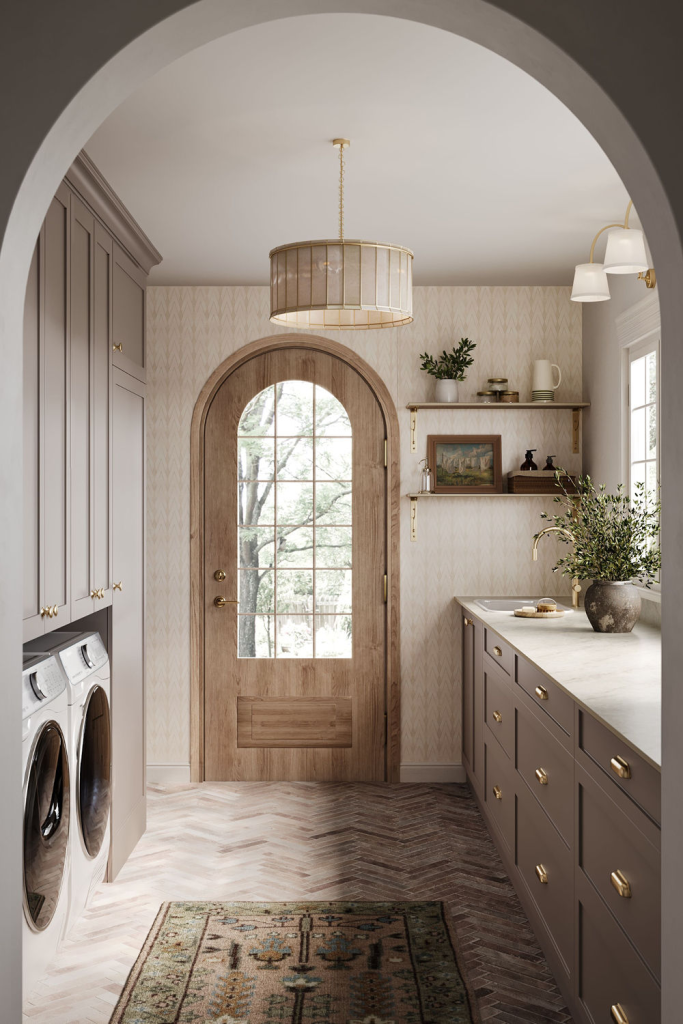
CREDIT: PINTEREST
1. Roof Replacement or Repairs Spring Renovation Projects
Roofs endure some of the harshest weather during winter, especially in Virginia’s climate. Snow accumulation, ice dams, freezing rain, and strong winds can all cause damage that isn’t always visible until spring. When the snow finally melts, homeowners often notice issues like missing or damaged shingles, small roof leaks, or water stains on ceilings. Spring is an ideal time to address these problems. The moderate spring temperatures allow asphalt shingles and roof sealants to bond and seal properly, without the complications of freezing winter or extreme summer heat. One final tip: if your roof is being worked on, also clear out any clogged gutters and downspouts. This ensures water from spring rains drains properly and protects your home (and roof) from overflow damage. Spring Renovation Projects
Signs of roof damage are often obvious in spring. Watch for: Spring Renovation Projects
- Curling, cracked, or missing shingles. Spring Renovation Projects
- Granules collecting in gutters. Spring Renovation Projects
- Damaged or rusted flashing around chimneys and vents. Spring Renovation Projects
- Sagging roof sections or decking. Spring Renovation Projects
- Interior water stains or active leaks. Spring Renovation Projects
- Moss, mold, or algae growth on the roof. Spring Renovation Projects
Catching these issues early prevents them from worsening during spring rains. Even a few missing shingles or cracked flashing can lead to significant leaks if left unattended. In our experience, scheduling a professional roof inspection as soon as winter ends can save thousands by avoiding structural damage later. As contractor Peter Andra notes, “All exterior work should begin in the spring to allow ample time for completion and extend through the summer, ensuring you avoid unfavorable fall and winter weather”. In Northern Virginia, that means planning your roof project in April or May so shingles are installed and sealed before the summer’s heavy rains and before any cold winter returns. Spring Renovation Projects
Cost and Timing: Roof replacement is costly, so planning is key. Most asphalt shingle roofs need replacement roughly every 20–25 years. In Virginia, replacing an average home’s roof can range from about $5,000 to $20,000 depending on size, complexity, and material. A large two-story home with steep pitches and premium shingles can easily exceed that range. Most roof jobs take a few days to a week: a simple one-story house might be done in two days of good weather, while a large, complex roof may take closer to a week.
At MGS Contracting Services (a licensed Class A Virginia contractor), we help homeowners navigate these projects. We coordinate quickly so that new roofing materials are delivered and installed efficiently. This not only protects your home from leaks and storms but also keeps it well insulated and energy-efficient before winter comes. Spring Renovation Projects
2. HVAC System Repairs or Upgrades Spring Renovation Projects
Your heating, ventilation, and air conditioning (HVAC) system works hardest during winter and summer. By spring, the system is largely idle, making it the perfect time for maintenance or upgrades. You won’t have to suffer without heat or air conditioning because spring temperatures are mild enough on either side of the project. Spring Renovation Projects
Spring HVAC Opportunities: Consider scheduling these tasks in spring: Spring Renovation Projects
- Air Conditioner Installation or Replacement: Install a new central AC or heat pump before hot weather arrives. Spring Renovation Projects
- Furnace or Heat Pump Upgrade: Replace an aging furnace or improve a heat pump while it’s not blasting heat. Spring Renovation Projects
- Ductwork Repairs: Seal leaks or add new duct runs to improve airflow. Spring Renovation Projects
- Smart Thermostats: Upgrade to a programmable or smart thermostat for better year-round efficiency.
- Air Quality Improvements: Add UV lights, humidifiers, or high-performance filters to improve indoor air before allergy season peaks. Spring Renovation Projects
The advantage is preparation. Getting HVAC work done in spring means you avoid a breakdown in midsummer when temperatures spike. You also ensure the system runs efficiently before the heavy cooling season, potentially lowering energy bills. HVAC contractors generally have more open schedules (and sometimes lower rates) in spring than during their summer peak. You’ll also find they take precautions to avoid leaving your home too hot or cold during installation. We recommend replacing air filters and performing any needed coil cleanings in spring; fresh filters and coils improve cooling capacity and indoor air quality before summer arrives. Spring Renovation Projects
In terms of cost, homeowners should expect a full HVAC system replacement to be roughly $5,000–$12,500 depending on system size and efficiency. For example, replacing a standard central air conditioning unit (valued around $3,900–$7,900) plus labor and permit fees often totals about $5,650–$9,800. New ductwork or extra features (like zoning or advanced filtration) will add to the price. Budget for permits ($250–$400) and remember that off-season scheduling can sometimes save on labor costs. Spring Renovation Projects
Because HVAC work involves electricity, gas, and refrigerants, it must be done by licensed professionals. Virginia law mandates that HVAC and electrical work on projects over $1,000 be performed by appropriately licensed contractors. Our team at MGS works with fully licensed HVAC technicians to coordinate heating and cooling upgrades. We schedule these in spring so your system is reliable when you need it. By early summer, you’ll be thankful you avoided emergency breakdowns and have smooth, efficient heating and cooling all season. Spring Renovation Projects
3. Interior and Exterior Painting Spring Renovation Projects
Painting is one of the most satisfying spring projects because it yields immediate “wow” factor for little cost. More importantly, spring weather provides near-ideal conditions for paint application. Cold or damp winter days force doors and windows closed (trapping fumes inside and causing slow drying), while peak summer heat and humidity can cause paint to dry too fast or blister. In spring, temperatures are generally moderate and you can easily open windows for ventilation. Spring Renovation Projects
Spring’s ventilation is a big deal. As The Spruce notes, spring “offers the perfect weather to fling the windows open, providing you with abundant fresh air and proper ventilation” during a paint job. Painters also note that spring humidity tends to be “under control,” avoiding issues that extremes would cause. In practical terms, pick days around 50–80°F with low chance of rain. You’ll achieve smoother finishes and stronger bonds.
Popular Spring Painting Projects: Spring Renovation Projects
- Interior Rooms: Living rooms, bedrooms, kitchens, hallways, and bathrooms get fresh with new wall colors or updated trim. With doors/windows open, odors clear fast and indoor temps stay comfortable.
- Cabinets and Built-ins: Painting or refinishing kitchen cabinets, bathroom vanities, bookshelves, or built-in trim is ideal in spring so any paint odors dissipate quickly. Spring Renovation Projects
- Exterior Siding and Trim: Peeling or faded siding, shutters, porches, and railings benefit from spring painting. By mid-spring’s dry stretch, a fresh coat can seal wood before summer rains, boosting curb appeal. Spring Renovation Projects
- Doors and Garage: Even simple updates like a front door repaint or garage door color change make a big impression. Spring air dries paint smoothly without the humidity of summer.
- Deck or Porch Staining: If staining your deck or porch, spring warmth ensures the stain cures properly. Be sure the deck is clean and dry (pressure wash off winter grime first). Spring Renovation Projects
A fresh coat of paint is relatively inexpensive compared to structural work. Quality interior latex or exterior acrylic paints cost about $30–$50 per gallon, covering ~350–400 sq.ft. We find that a typical bedroom or living room can be prepped and painted (two coats) in a day or two, and a full two-story house exterior often takes a week including prep work. To keep timelines smooth, pick your colors early and order paint in spring. If weather is unpredictable, we might phase work (for example, paint the exterior one week and the kitchen the next). With some planning, you can completely refresh your home inside and out by early summer.
4. Kitchen Renovations Spring Renovation Projects
Kitchens are often the heart of a home, and they’re a top remodel priority – but they’re also very disruptive projects. Doing a kitchen renovation right before the holidays or in winter can throw your routine into chaos. Spring is the calm before those storms of holiday gatherings. Starting a kitchen remodel in spring gives you the whole warm-weather season to complete it so you’re not scrambling at the last minute.
As Mary Peters of Sasquatch Contracting points out, many homeowners mistakenly schedule kitchens in fall. “Too often we get kitchen renos right before the holidays, and that’s stressful for everyone involved,” she says. “If you tackle this job in the spring, you don’t have to worry about holiday cooking and houseguests.” This advice is especially true in Northern Virginia’s busy year-end season. By moving that chaos to spring, you avoid muddying up Thanksgiving and Christmas with construction mess. Spring Renovation Projects
Common Spring Kitchen Upgrades: Many remodeling tasks align well with spring: Spring Renovation Projects
- Cabinets: Replacing or refacing cabinetry upgrades style and storage. We can refine or paint existing units if budget is tight, or install new custom cabinets for a full transformation.
- Countertops: Installing quartz, granite, marble, or solid-surface counters. These are measured and fabricated offsite; starting in spring avoids summer backlog for fabricators.
- Backsplashes: Adding new backsplash tile (glass, ceramic, stone) gives an instant facelift. Tiling is dustier work, so doing it with windows open is a relief. Spring Renovation Projects
- Appliances: Upgrading to stainless-steel, high-efficiency, or smart appliances. Ordering early in spring ensures your new fridge, stove, or dishwasher arrive before peak demand.
- Lighting: Installing new recessed lights, pendants, or under-cabinet lighting. Spring’s longer days help here, and we can make sure the dining area is done well before summer dinner parties.
- Layout Changes: Removing a wall or adding an island. These bigger changes (requiring framing and possibly structural work) are easiest in spring; crews can cut openings without worrying about freezing or excessive heat loss. Spring Renovation Projects
Most kitchen remodels take 4–8 weeks (or longer for major overhauls). Starting in April often means wrapping up by mid-summer. That timing is great: you’ll enjoy a brand-new kitchen by the time school is out, and you won’t have the project hanging over holiday prep. We advise clients to meet in late winter (Jan–Mar) with a designer or contractor to finalize plans so that cabinetry, stone, and appliances can be ordered in early spring. During construction, we usually set up a temporary “camp kitchen” (simple microwave or grill use) so you can cook while work happens. By staying on schedule, you avoid the weekend-to-weekend chaos many homeowners face in a hurried fall remodel. Spring Renovation Projects
Cost Considerations: Kitchen costs vary widely. Basic updates might be under $30,000, while high-end renovations often exceed $100,000. In Northern Virginia, a midrange kitchen often averages around $80,000. Many local remodels with custom materials tend to run between $100,000 and $150,000. We’ve seen full gut remodels, including new layouts and premium finishes, come in around $150k. Because kitchens are expensive, spring scheduling is especially helpful. You can distribute costs over several months and avoid market shortages. For example, ordering custom cabinets early in spring ensures they’re delivered when needed, without an emergency expediting fee. With solid planning and budgeting, your spring kitchen remodel will feel much less stressful and have the high-quality finishes you want. Spring Renovation Projects
5. Deck Construction or Deck Repairs Spring Renovation Projects
Decks provide extra living space and enjoyment during warm months, but building one requires thawed, workable soil. In winter, the ground is frozen solid – you simply can’t dig. By spring, the frost is gone, making it possible to dig footings and pour concrete. If you wait until mid-summer to start a deck, you risk pushing work into late summer or fall and dealing with intense heat. Starting in spring is the sweet spot: warm enough to work comfortably, but before contractors get swamped or temperatures soar. Spring Renovation Projects
Deck Projects to Tackle: Spring is the time to launch or fix decks: Spring Renovation Projects
- New Deck Construction: Building a brand-new deck (attached or freestanding). Contractors can easily dig post holes below the frost line now. Spring Renovation Projects
- Deck Expansion: Adding a section, tier, or stairs to an existing deck for more space.
- Deck Repairs: Replacing rotted joists or boards, fixing sagging areas, and updating railings and stairs.
- Material Upgrades: Switching to composite decking (like Trex) or hardwood (like Ipe) for low maintenance.
- Railings and Features: Installing attractive railings (cable, glass, metal) and built-in seating or planter boxes.
Outdoor decks have become very desirable home features, so they’re often built in spring to maximize summer use. Memorial Day barbecues or July 4th cookouts typically mean an April–May construction schedule. Remember, most decks in Northern Virginia require building permits, so apply early. Getting permits approved in spring ensures a faster start – for instance, Loudoun and Fairfax officials generally process deck permits more quickly in spring, whereas late summer can see a backlog before winter.
Materials and Costs: Deck costs vary by size and materials. Pressure-treated wood decking is the most affordable option, roughly $3–$6 per sq.ft. for materials. Composite decking (like Trex) is higher, about $5–$14 per sq.ft., but it lasts longer without maintenance. Exotic hardwoods (Ipe, Tigerwood) can be $10–$20 per sq.ft.. For labor, deck builders often charge $8–$22 per sq.ft. including framing.
To put this in perspective, HomeAdvisor data shows most decks cost between $4,153 and $11,219, with an average of $7,686 (roughly $30–$60 per sq.ft.). In our area, costs tend to run higher. For a typical 12×20-foot deck, you might see around $3,000 in wood materials or $5,000 in composite (not including framing and labor). Keep in mind extras like built-in benches or lighting add value (and cost). Starting in spring helps you plan these elements and secure materials before summer price increases. In fact, many deck builders raise labor rates in high season, so booking a spring project can save money.
When planning a deck, also think of related yard work. Many homeowners combine a new deck with landscaping, such as adding a patio or stone steps. Spring is ideal for coordinating these: you can grade the site and install irrigation or lighting at the same time. By the time summer arrives, you’ll have a complete outdoor living space – deck, garden, and all.
6. Landscaping and Outdoor Living Improvements
Spring is the season homeowners spend more time outside and notice their yards. The ground is soft, grass and plants are ready to grow, and the weather is conducive to manual labor. This makes spring perfect for landscaping upgrades and enhancing outdoor living areas.
Popular Spring Landscaping Projects: Consider improvements like:
- Planting Gardens: Installing new flower beds, shrubs, trees, and sod. Spring (especially April) is prime planting season once the frost risk is gone. New plants will have the growing season to establish.
- Patios and Walkways: Building or expanding stone, brick, or concrete patios and garden paths. Spring conditions help mortar set properly.
- Fire Pits and Seating Areas: Adding a fire pit or outdoor fireplace, and surround seating. These can be masonry or prefab kits; in spring, installation goes smoothly.
- Outdoor Kitchens/Grills: Installing a built-in grill or outdoor kitchen island. This cool-weather construction means it’s ready for summer cookouts.
- Garden Structures: Putting up pergolas, arbors, or shade structures while it’s warm enough to work comfortably outside.
- Irrigation and Lighting: Running new sprinkler lines or landscape lighting cables when trenches can be dug easily.
Many homeowners think of their outdoor space as an extension of their home. Spring is a great time to create those ‘rooms’ outside: a dining patio, a lounge area with a fire, or a play area. All these projects increase your living area and can boost home value.
Costs and Examples: Landscaping costs vary widely. On the low end, a spring clean-up or small planting job might be a few hundred to a couple thousand dollars. A full renovation (patios, plants, irrigation, lighting) often costs well above $10,000. The Spruce reports average landscaping projects around $8,150 (with a range of $2,600 to $13,700). For instance, adding a single retaining wall on a slope might be about $5,060. Even small improvements pay off: sowing new grass seed in spring will give you a lush lawn by summer, and planting perennials now means blooms all season.
By tackling landscaping in spring, you enjoy the benefits all summer long. Shrubs planted in April will be growing strong by summer. A new patio will be available for Memorial Day. We advise bundling tasks: for example, pour patios and install lawns around the same time. This way, you only pay for excavation once, and your yard finishes look cohesive.
7. New Flooring Installation
Installing new flooring is a dusty, noisy job – not ideal when your house is sealed tight in winter or hot in summer. Spring solves that: windows can stay open to vent dust and fumes, and you won’t lose heating or cooling because the temps are mild. This makes flooring work (especially wood or laminate) much easier on the family.
Certain floors also behave better in spring. Solid hardwood and engineered wood planks expand and contract with humidity. If installed in overly dry winter air, they can shrink; if in humid summer air, they can swell. Spring’s moderate humidity helps the planks settle correctly.
Popular Flooring Projects: Spring is a popular time to replace floors in:
- Living Areas: Updating old carpet or dated vinyl with new hardwood, engineered wood, laminate, or luxury vinyl plank (LVP). These click-lock floors often go down in a day or two per room.
- Kitchens and Baths: Installing tile or stone floors. Adhesives and grouts release fumes, so spring ventilation is welcome.
- Basements: Waterproof vinyl or epoxy coatings in basements, since the fresh air helps moisture control.
- Whole-House: Some homeowners do multiple rooms (entry, hallway, living) at once for consistency.
Many modern flooring materials are engineered for ease. As Peter Andra points out, vinyl and laminate now often “click together” with minimal tools. Even hardwood installation is faster if done in good weather. Typically, labor for hardwood installation is about $3–$6 per sq.ft.. A 2-person crew can install up to ~1,500 sq.ft in 1–3 days.
Before installing, floors (especially wood) should acclimate indoors for a couple of days so they adjust to indoor humidity. Spring’s balanced moisture makes that step predictable. We recommend planning furniture moves and ordering materials in late March or April. The installers can then work efficiently, clearing out old flooring and laying new boards. By spring’s end, your home can have a completely fresh floorplan ready for summer activities.
8. Room Additions and Space Conversions
Room additions (adding square footage) and space conversions (like finishing a basement or garage) are the biggest home projects you can undertake. Because they take months, starting them in spring helps avoid winter delays. These projects involve structural work – framing, roofing, foundation – which lets your home breathe. Spring’s mild climate mitigates heat loss through open walls and makes it practical to pour concrete.
Common examples include:
- Home Office or Suite Addition: Building an extra room or wing for a home office, guest suite, or in-law apartment.
- Sunrooms or Bump-outs: Adding a sunroom, breakfast nook, or enclosing a porch.
- Second-Story Addition: Adding a new bedroom or suite on top of the house.
- Garage Conversion: Turning a garage into living space, studio, or gym (weather’s warm enough to insulate without freezing).
- Basement Finishing: If needed, digging egress windows or adding living spaces underground (spring ground conditions help with any excavation).
These projects must be carefully planned. Framing and roofing an addition in early spring (March/April) means the roof goes on and walls go up before heavy summer rains. As Mary Peters notes, clients should do additions “during the spring so that there’s plenty of warm weather to ensure everything moves forward without snow/freezes interrupting the schedule”. For example, if a foundation is poured in April, it cures during warming days and won’t be at risk of thaw when summer comes. Spring scheduling also means city and county permits can be processed without the bottlenecks of late summer.
Planning and Permits: Remember that all addition projects require permits and inspections. Spring start gives you time to get plans approved by the county while construction begins. For instance, Loudoun County often takes 4–6 weeks to review building plans. Starting in spring lets that administrative phase finish by the time framing starts. Once permits are in hand, crews can proceed unimpeded through summer, finishing up electrical, HVAC, and finishes before winter.
Cost and Timeline: Large additions are expensive. A modest 200–300 sq.ft. room might start around $40,000–$60,000 depending on finishes, while a full two-story expansion can exceed $100,000. These jobs typically take 3–6 months from breaking ground to move-in ready. That’s why spring is ideal: a project begun in spring often completes by fall. If you waited until fall to start, even an active team could be fighting early winter and you might rush framing in bad weather. Starting in spring avoids these issues and usually results in a smoother project overall.
Why Homeowners Should Plan Renovations Early
One common mistake is waiting too long to schedule work. By summer, contractor schedules fill up and prices can rise with demand. We advise homeowners to plan in late winter or very early spring so they can:
- Secure Your Team: Top contractors are available and eager in spring. You get to pick your crew instead of taking who’s left.
- Compare Bids: Virginia’s DPOR recommends getting multiple estimates and checking licenses. Early planning gives you time to do this carefully.
- Budget and Finance: You’ll know the costs ahead of time and can arrange financing or payment schedules, instead of scrambling at the last minute.
- Order Materials: Cabinets, fixtures, and specialty items often have 4–8 week lead times. Ordering in spring means avoiding summer supply bottlenecks.
- Avoid Rushed Decisions: With breathing room in your schedule, you can thoughtfully choose colors, finishes, and layouts.
In short, don’t delay until it’s 90°F outside or the leaves turn brown before picking up the phone. The earlier you plan in spring, the smoother your renovation will go and the sooner you’ll enjoy the results. In fact, many homeowners who start projects in April are relaxing by the pool in July with no renovations hanging over their heads. When summer hits 90°F, you’ll be glad the hard work is done.
Start Your Spring Renovation the Right Way
Spring is more than just a time for spring cleaning – it’s the perfect season for making meaningful improvements to your home. Whether you’re thinking about replacing your roof, remodeling your kitchen, installing new floors, or expanding your living space, doing it in spring gives you the advantage of great weather and good timing.
At MGS Contracting Services, owner Chris Chapman (a former Marine) and our dedicated team bring discipline, dedication, and respect to every project. We focus on clear communication and quality craftsmanship to give you the home you’ve always wanted. With a Class A Virginia contractor license and memberships in the NAHB and Northern Virginia Builders Association, we back our work with the credentials you can trust. Proudly serving Loudoun and Fairfax counties (Leesburg, Ashburn, Sterling, Reston and beyond), our family-run company is built on the values of integrity and dedication.
When the snow melts and the weather warms up, there’s no better time to start creating the home of your dreams. Call MGS Contracting Services today to schedule a consultation and start planning your spring renovation. Quick Tip: If the outdoor thermometer is comfortably above freezing, conditions are right to make home improvements. Lining up bids and ordering materials in March or April lets you hit the ground running when temperatures rise. After all, there’s no time like spring to start the home projects you’ve dreamed of. Let us help you turn those projects into reality – from the initial quote to the final walk-through.