
Introduction: Why Preparing Before the First Freeze Matters
Winter can sneak up quickly in Northern Virginia. Early cold snaps often catch homeowners off-guard, which is why every homeowner needs to check their home’s winter readiness well before the first freeze. Taking time in the fall to inspect and prepare your home can save you from the expensive consequences of ignoring pre-freeze maintenance. We’re talking about burst pipes, leaky roofs, drafty rooms and ice dams, all of which can cost thousands of dollars in repairs if left unchecked. First Freeze
The good news is that avoiding these winter disasters is completely possible with some simple steps. By combining a few DIY preventative tasks with professional inspections (like those offered by MGS Contracting Services, you can protect your biggest investment, your home, all winter long. This friendly, comprehensive guide will walk you through 7 things every homeowner needs to check before the first big freeze hits. These tips are easy to follow, cost-effective, and will empower you as a homeowner to face the cold season with confidence. Let’s get started on safeguarding your home and wallet from Jack Frost! First Freeze
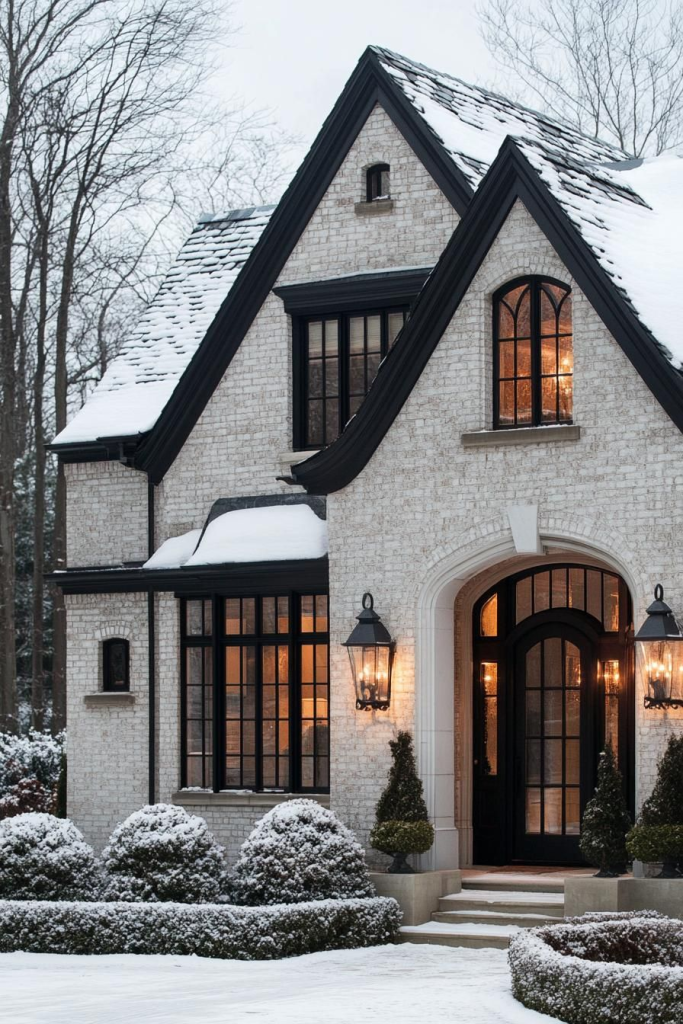
CREDIT: PINTEREST
1. Examine and Repair the Roof (Your First Line of Defense) First Freeze
Every homeowner needs to check their roof as the very first task in winter preparation. Why put the roof at the top of the list? Why the Roof Comes First: Your roof is your home’s first line of defense against the elements. It shields everything beneath it, the structure, insulation, electrical systems, drywall, and all your personal belongings. If the roof fails, even in a small spot, water can seep in and cause a cascade of problems throughout the house. A tiny leak in fall can turn into a gushing ceiling disaster once snow, ice, and freeze-thaw cycles start in winter. That’s why every homeowner needs to check the roof thoroughly before temperatures plummet.
What Homeowners Should Look For: Do a visual inspection of your roof on a clear day (use binoculars if you have them, or carefully climb up if you’re experienced with ladder safety). There are several red flags every homeowner needs to check for on the roof: First Freeze
- Missing or damaged shingles (and granule loss): If shingles are cracked, curled, or missing, they expose your roof deck to moisture. After a freeze, water can seep into those gaps and cause leaks or rot. Also check your gutters for an excess of shingle granules; lots of granules mean your shingles are deteriorating and may offer less protection. First Freeze
First Freeze - Sagging or uneven roof sections: Look at the roofline. A sag or dip could indicate structural issues or long-term water damage. Every homeowner needs to check for these sags early, as the weight of snow and ice will only worsen the problem. First Freeze
First Freeze - Damaged flashing or seals: Check around chimneys, vent pipes, and skylights. Flashing (the metal strips that seal these joints) can pull away or rust over time, creating entry points for water. Also, if any caulking around those features is cracked, it needs re-sealing. First Freeze
First Freeze
After performing your own once-over, consider bringing in a professional to give your roof a thorough inspection. First Freeze
Why a Professional Inspection Matters: Roofing experts know exactly what to look for and can catch issues every homeowner needs to check but might miss without training. A pro will examine not just the shingles but the entire roofing system. For example, a professional will ensure all critical components of your roof are sound, from the ice-and-water shield along the eaves and secure drip edges and flashing, to proper attic ventilation and an intact underlayment beneath the shingles. All these pieces must work together to prevent leaks and ice dams. An experienced roofing contractor from MGS Contracting Services knows how to spot any weak links in this system and can perform small repairs on the spot, like replacing a few damaged shingles or re-sealing loose flashing, before they turn into big leaks. It’s far better to address these issues in fall while they’re minor, rather than discovering them via a drip from your ceiling during a January snowstorm. First Freeze
MGS Pro Tip: Schedule a fall roof inspection with a trusted local contractor (MGS Contracting Services offers this service in Northern Virginia). It’s an affordable preventative step, and catching problems now will save you from mid-winter emergency roof repairs. Remember, every homeowner needs to check their roof and fix any vulnerabilities before the first freeze, it’s the single most important thing you can do to avoid winter water damage. First Freeze
2. Winterize Windows and Doors (Stop Heat Loss in Its Tracks)
Once your roof is squared away, the next thing every homeowner needs to check is the home’s windows and doors. These are the most common areas for heat to escape and cold drafts to sneak in. A drafty house isn’t just uncomfortable, it directly translates to higher heating bills and unnecessary strain on your furnace. Let’s seal up those leaks and keep the warmth inside where it belongs. First Freeze
The Problem: Even if your home feels okay now, those small drafts around windows and doorframes will become a lot more noticeable (and problematic) once the mercury drops. Cold air seeping in around a loose window frame can chill an entire room. Meanwhile, the warm indoor air that you’re paying to heat is leaking out. every homeowner needs to check for these leaks because over an entire winter, they can really add up in energy costs. Plus, if the gaps are big enough, you might even get ice-cold rain or melted snow blowing in during a storm.
Where Drafts Commonly Occur: Grab a notepad and take a little tour of your home’s perimeter. Slowly inspect each exterior window and door, you’re on a mission to find where the cold can sneak through. Here are the key spots every homeowner needs to check for drafts: First Freeze
- Gaps around window frames: Look closely at the line where the window frame meets the wall. Do you see any cracks or separations in the caulk? Can you feel cold air when you run your hand around the perimeter on a chilly day? Over time, caulk can dry out and pull away, leaving small openings that let cold air in.
First Freeze - Door frame edges and thresholds: Check if your exterior doors sit snugly in their frames. Is there light visible around the edges when the door is closed? Check the threshold and door sweep (the strip along the bottom of the door). Any gap under the door is a prime spot for drafts. First Freeze
First Freeze - Weatherstripping condition: Many doors and older windows have foam or rubber weatherstripping seals. If these are worn, flattened, or missing in spots, cold air will find its way in. Replace any worn-out stripping so that when closed, your doors and windows have a cushioned, tight seal all around. First Freeze
First Freeze
DIY Solutions to Stop Drafts: First Freeze
- Re-caulk around windows/doors: A good exterior caulk works best for this. Pick a dry day and apply fresh exterior caulk around window and door frames where old caulk is cracked or gaps have opened. Smooth it out for a tight seal. This will block those sneaky wind gusts effectively. First Freeze
- Install new weatherstripping: Peel-and-stick weatherstripping is inexpensive and easy to apply to door frames and window sashes. Replace any flattened or missing strips so doors and windows close with a snug seal. It’s a simple fix that can make a big difference in comfort. First Freeze
First Freeze - Use draft stoppers or door sweeps: For drafty doors, install a door sweep (a bristle or rubber strip along the bottom) to block under-door drafts, or simply use a draft stopper (draft snake) across the threshold on cold nights. These prevent cold air from whistling in under your doors. First Freeze
First Freeze
When to Call a Pro: If you encounter damage beyond simple air leaks, for example, a window frame that’s warped or wood that’s rotten, or double-pane glass with moisture trapped inside, it may be time for a replacement rather than a quick fix. In such cases, call in professionals like MGS Contracting Services. They can assess if it’s time for new, energy-efficient windows or a better-insulated door. Replacing old, failing windows and doors is a larger investment, but it will pay off in comfort and lower energy bills for many winters to come.
Bottom line: every homeowner needs to check their windows and doors before the freeze. A weekend spent sealing up drafts will translate to a warmer home and potentially significant savings on heating costs, all winter long. First Freeze
3. Seal Air Leaks Throughout the Home (Invisible Energy Suckers)
Windows and doors aren’t the only places cold air can sneak in. There are many small gaps and cracks in a house that collectively can be big energy wasters. Every homeowner needs to check for these hidden air leaks and seal them up before winter. First Freeze
Where Air Leaks Hide: Common culprits include: First Freeze
- Outlets and switch plates on exterior walls: Cold air can seep through the tiny gaps around electrical boxes. Foam gasket inserts behind the cover plates are an easy fix. First Freeze
First Freeze - Attic access hatches or pull-down stairs: If the attic entry isn’t well insulated or sealed, warm air will rush up and cold air will drop down. Weatherstrip around the hatch and consider an insulated cover.
First Freeze - Openings around pipes or cables: Check under sinks or where utilities enter the home. Gaps around plumbing pipes, gas lines, or electrical wires can be filled with caulk or expanding foam to block drafts.
- Recessed lights and fans: Older recessed light fixtures, in particular, may have unsealed holes into the attic. Use airtight baffles or seal the openings if possible (ensure it’s safe for the type of fixture). First Freeze
First Freeze - Fireplace dampers: When your fireplace isn’t in use, make sure the damper is fully closed to stop cold air from coming down the chimney. For a more airtight seal, you can use a chimney balloon or draft stopper (just remove it before the next fire!). First Freeze
First Freeze
Sealing these sneaky leaks is usually a quick and inexpensive job. Use silicone caulk for stationary cracks and gaps, and weatherstripping or foam tape for any movable parts. For larger gaps, a can of spray foam works wonders (just don’t overapply it). Every little leak you seal means less cold air invading your home and less warm air escaping. That translates to a more comfortable home and lower heating bills. It’s often said by energy experts that air sealing can be as important as added insulation in boosting home efficiency. It’s truly one of those tasks every homeowner needs to check off their list to keep the cold out and the heat (and money) in. First Freeze
4. Clean the Gutters (Small Chore, Big Consequences) First Freeze
It’s not the most glamorous task, but cleaning your gutters before winter is something every homeowner needs to check off the list. Those long, leaf-filled channels along your roof edges play a bigger role than you might think, especially when freezing weather arrives. Neglecting your gutters can lead to a host of cold-weather woes, from ice dams to costly gutter damage. First Freeze
Why Clean Gutters Matter Before Freezing Weather: Your gutters and downspouts are designed to channel rainwater and melting snow safely away from your home. If they’re clogged up with autumn leaves, twigs, and debris, that water has nowhere to go. It can spill over the sides and pour down walls, or back up and seep under your roof. When temperatures drop, that trapped water can freeze into heavy ice. Every homeowner needs to check their gutters to prevent these scenarios: First Freeze
- Ice dams: Clogged gutters can contribute to ice dams on your roof edge. When snow on the roof melts (often due to a warm attic) and tries to drain, clogged gutters cause water to back up. That water re-freezes at the roof edge, forming a dam of ice that gets bigger and bigger. The ice can push under shingles and cause roof leaks, damaging your ceiling, walls, and insulation. First Freeze
First Freeze - Gutter damage: When water trapped in gutters freezes, it turns into a solid, heavy mass of ice. This can cause gutters to sag or even pull away from the house under the weight. Frozen clogs may also expand and crack the gutter material at the seams. First Freeze
First Freeze
Homeowner Gutter Checklist: Cleaning gutters is a fairly straightforward job, but always use caution with ladders. For the DIY-inclined, here’s what every homeowner needs to check when cleaning their gutters before the freeze: First Freeze
- Clear out all leaves, pine needles, twigs, and muck from the gutters. Use gloves and a small scoop to remove leaves and debris. Collect it in a bucket or tarp rather than making a mess on the lawn.
First Freeze - After clearing debris, run water through your gutters to make sure each downspout flows freely. If little or no water comes out the bottom, there’s a clog to clear (often in the elbow of the downspout). First Freeze
First Freeze - As you’re up there, also check for any sections that are cracked, sagging, or pulling away from the eave. Secure loose gutter straps if possible, and note any areas that may need repair. A loose gutter won’t drain properly and can overflow. First Freeze
- Make sure your downspouts extend a few feet away from your foundation so that melting snow drains away from the house (add extensions if needed).
Pro Tip: Homes with a lot of overhanging trees might need to clean gutters more than once a year. Late fall (after most leaves have dropped) is ideal for a final clean-out. Installing gutter guards or screens in the future can greatly reduce clogs, a worthwhile consideration if your home is surrounded by trees. Ask a professional like MGS Contracting Services about gutter guard options.
Remember, every homeowner needs to check their gutters each fall to avoid winter water damage.
5. Inspect and Repair Damaged Siding (Your Home’s Protective Shell)
Your home’s siding isn’t just about curb appeal, it’s a critical protective layer shielding the structure from wind, moisture, and cold. As winter approaches, every homeowner needs to check their siding for any damage or weaknesses. Cold weather can be harsh on siding materials, and small issues can quickly grow when frosty conditions arrive.
Why Siding Matters: Siding is like your home’s armor against the elements. If there’s even a small crack or gap, winter moisture can sneak in and freeze, expanding into a bigger opening. That can lead to rotting wood, mold inside walls, or other structural damage. Gaps also let cold air in and warm air out, and even provide an entry point for pests seeking shelter. In short, damaged siding can result in water intrusion, higher heating bills, and unwelcome critters. That’s why every homeowner needs to check their siding and fix any issues before winter storms arrive.
What Homeowners Should Look For: Walk around your home’s exterior on a clear day and inspect all sides of your siding. Some issues may be obvious, others subtle:
- Loose or missing panels/shingles: For vinyl or aluminum siding, see if any panels have come unlocked or nails have popped out. For wood siding or wood shingles, look for any that have completely fallen off or are barely hanging. Any gap needs immediate attention.
- Cracks or chips: Especially in fiber cement siding or older vinyl, cracks can occur. Even a hairline crack is a place where water can enter and freeze. If you have brick or stone veneer, check the mortar for cracks as well.
- Warping or bulging: If a section of siding is bulging outward or looking warped, there could be water damage or rot underneath pushing it out. Every homeowner needs to check any odd distortions in the siding’s surface.
- Signs of water damage or rot: Look for any brown streaks, greenish mildew stains, or soft, spongy wood on siding and trim. These symptoms mean moisture is getting behind the siding, and every homeowner needs to check the source of the leak and address it.
If you find minor siding issues, addressing them before the freeze is relatively easy and very worthwhile. Here are some fixes:
- Re-nail or re-secure loose panels. Often vinyl siding can be snapped back into place if a piece is out of its track. Use appropriate fasteners and don’t over-tighten (siding needs a tiny bit of flex to expand/contract).
- Seal up small cracks or gaps with exterior caulk to prevent water intrusion as a temporary fix until proper repair can be done.
- Replace any sections of siding that are clearly damaged or beyond quick patching. You might need a few replacement boards or panels. Many home improvement stores carry common siding types for DIY replacement.
- Re-painting any exposed wood where paint has peeled can help seal it from moisture (even a primer coat before winter is better than leaving wood bare).
When to Call in Professionals: If your siding has extensive damage, significant rot, or is simply at the end of its lifespan, bring in an expert. MGS Contracting Services specializes in siding repair and full siding replacement as part of exterior renovations. Professionals will make sure there are no hidden issues beneath the surface and that your home’s exterior is fully sealed up for winter. They can also suggest modern siding options that offer better insulation and durability for Northern Virginia’s climate.
Remember, every homeowner needs to check siding condition as part of winter prep. It’s your home’s armor against the cold, and even the smallest breach can cause outsized trouble when the snow starts falling and the winds start howling.
6. Insulate Plumbing Lines (Avoid the #1 Cause of Winter Emergencies)
A burst pipe in winter is one of the most costly home disasters, so prevention is key. Water damage from frozen pipes can easily cost thousands of dollars to repair. That’s why every homeowner needs to check that their plumbing lines are protected before the deep freeze sets in. A bit of insulation and a few precautions can literally save you thousands of dollars and countless headaches.
Why Pipes Freeze: When water inside a pipe freezes, it expands and can rupture the pipe. Pipes most at risk are those in unheated or exposed places, along exterior walls, in attics, crawl spaces, garages, or under sinks on outside walls. Cold drafts + poor insulation = rapid freezing and trouble.
Quick DIY Fixes to Prevent Freezing: The goal is to keep your pipes above freezing and relieve pressure buildup if they do freeze. Here are steps every homeowner needs to check and do:
- Add pipe insulation: Foam pipe insulation sleeves are cheap and easy to install. Just cut them to length and snap them around any exposed pipes in unheated areas. Focus on the cold water lines in garages, crawl spaces, basements, etc., those are most likely to freeze.
- Use heat tape on vulnerable sections: Heat tape (a cable that heats pipes when plugged in) can prevent freezing on problem pipes. Always install and use heat cables according to the manufacturer’s instructions for safety. This is great for pipes that have a history of freezing or sections that can’t be easily insulated well.
- Outdoor hose bibs: Disconnect all garden hoses from outdoor faucets (hose bibs), a hose can trap water that will freeze and burst the faucet. After removing hoses, install an inexpensive foam cover on each exterior faucet. If your outdoor spigot has a shutoff valve inside, turn it off and drain the faucet. Every homeowner needs to check that all exterior water connections are winterized, because a burst outdoor faucet can flood inside your wall.
- Open cabinets on cold nights: On very cold nights, open the cabinet doors under sinks on exterior walls to let warm room air circulate around the pipes. This little step can make a big difference in keeping those pipes just warm enough.
- Let faucets drip on frigid nights: During extreme cold, let a small trickle of water run from faucets on vulnerable lines. Moving water is much less likely to freeze. Yes, it wastes a bit of water, but a slight drip is far cheaper than a burst pipe. Every homeowner needs to check this step when temperatures plummet.
Traveling During a Freeze: If you’ll be away during a hard freeze, turn off your main water supply and drain the pipes (by opening faucets). Also, keep your thermostat set to at least 55°F. This way your pipes are far less likely to freeze while you’re gone.
By insulating and safeguarding your plumbing, you’re avoiding one of the worst winter calamities. Imagine coming home to a foot of water in your basement or a collapsed ceiling from a burst pipe in the attic, it’s every homeowner’s nightmare. A couple hours of work in the fall to insulate pipes and take preventative measures is truly priceless compared to the thousands in damage a single burst pipe can inflict. This simple project is absolutely one every homeowner needs to check off their list before winter.
7. Check Attic Insulation to Prevent Ice Dams (and Heat Loss)
Last but certainly not least of the 7 things every homeowner needs to check before winter is the condition of their attic insulation and ventilation. It might not be as visible as a roof or as top-of-mind as a drafty door, but your attic’s insulation plays a huge role in your home’s performance during freezing weather. Proper attic insulation (combined with good ventilation) is the key to preventing ice dams on the roof and keeping heating costs down.
Why Attic Insulation Matters: Proper attic insulation keeps your roof cold to prevent ice dams, keeps heat inside to lower your heating bills, and prevents moisture problems (like mold from condensation). Simply put, if your attic is under-insulated, you’re at risk of ice dams and wasting money on heat.
What to Inspect in Your Attic: Put on some old clothes, grab a flashlight, and carefully head up into your attic (watch your step to only walk on joists or floored areas). Here’s what every homeowner needs to check up there:
- Insulation depth and coverage: In our region, attics should have about a foot or more of insulation (approximately R-38 to R-49). If you can see the ceiling joists because the insulation is low, you definitely need more. Insulation should cover the entire attic floor evenly, even in corners.
- Thin spots or air leaks: Look for areas where insulation is missing or where light peeks through (around pipes, chimneys, the attic hatch, etc.). These gaps let warm air escape and should be sealed or filled.
- Ventilation status: Attics need to breathe. Check that your soffit vents (along the eaves) are not blocked by insulation. You should see daylight through soffit or gable vents, indicating air can flow freely. This airflow keeps the attic cold and dry.
- Signs of moisture or frost: Check for any frosty nails or dark stains/mold on the wood, which indicate condensation from warm air leaking into a cold attic. These are red flags that moist air isn’t being vented out properly.
When to Call a Professional: If all this attic talk has you a bit overwhelmed, don’t worry, insulation and ventilation upgrades are a prime job for professionals. MGS Contracting Services can inspect your attic and help by sealing any air leaks, adding the right amount of insulation, and making sure your attic ventilation is adequate. A proper insulation job will make your home cozier and give you peace of mind that ice dams won’t sneak up on you.
In short, attic insulation is something every homeowner needs to check to keep winter problems at bay.
Bonus Quick Checks for Overachievers
If you’ve tackled the big seven, here are a few extra pre-winter checks every homeowner needs to check as well:
- Smoke/CO detectors: Test each one and put in fresh batteries.
- Furnace filter & heating tune-up: Replace your furnace filter and consider a professional system check.
- Hoses & outdoor faucets: Disconnect garden hoses and cover (or drain) exterior spigots.
- Deck & railings: Tighten any loose boards or railings on your deck so they’re safe for winter.
- Sump pump: Test it by pouring water into the pit to ensure it’s working.
- Fireplace/chimney: If you’ll use it, get the chimney cleaned and inspected (creosote buildup is a fire hazard).
When to DIY and When to Call the Pros
Empowering homeowners to take care of their property is great, but every homeowner needs to check their limits. Know what you can handle safely and effectively, and when it’s time to bring in a professional. Here’s a quick guide:
DIY-Friendly Tasks: These are home maintenance items most homeowners can handle with basic tools and care:
- Caulking & weatherstripping: Simple sealing tasks around windows, doors, and small gaps are low-cost and low-risk to do yourself.
- Gutter cleaning (if safe): On a single-story home or using proper precautions, you can clear your gutters. For higher or steep roofs, it’s safer to hire help.
- Replacing filters & batteries: Swapping out furnace filters or testing and changing smoke/CO detector batteries are easy DIY routines every homeowner should do regularly.
- Minor fixes on siding or trim: If a piece of siding is loose or a nail popped out, you can usually reattach it. Just be gentle with brittle cold materials.
Leave These to the Pros: For these tasks, professional expertise and equipment are well worth it:
- Roof inspections and repairs: Climbing on a roof is dangerous, and finding subtle roof issues takes a trained eye. It’s wise to hire a roofing professional for inspections and definitely for any significant repairs.
- Major siding or window replacements: Large-scale exterior work requires skill for proper installation and waterproofing. Pros like MGS Contracting Services ensure your new siding or windows are fitted right so you won’t have leaks.
- Attic insulation upgrades: Adding significant insulation or sealing an attic comprehensively is messy and can be tricky. Professionals have the gear (and knowledge of building science) to do it effectively.
- Plumbing or electrical modifications: If a solution involves rerouting pipes or wires (beyond basic fixes), call licensed plumbers or electricians. It’s both for safety and to meet code requirements.
- Chimney cleaning & HVAC servicing: These involve safety hazards (fire, gas, carbon monoxide). It’s best to hire certified technicians to handle your annual chimney sweep or furnace tune-up. Every homeowner needs to check that such critical systems are serviced by pros at least yearly.
The general rule: if the task involves heights you’re not comfortable with, technical knowledge beyond your experience, or tools you don’t have, call a pro. It’s better to invest in professional help than to risk injury or incomplete work that could cause damage later. MGS Contracting Services and other trusted local contractors are there to help you safeguard your home. Think of them as part of your home protection team.
Conclusion: Protect Your Home Before the Freeze Hits
Winter will be here before you know it, but a little proactive effort now can make all the difference when the cold truly sets in. We’ve walked through the 7 things every homeowner needs to check before that first deep freeze, from top to bottom of your house. By examining and repairing your roof (every homeowner needs to check the roof), sealing up windows and doors (every homeowner needs to check windows and doors), plugging those sneaky air leaks (every homeowner needs to check for air leaks), cleaning your gutters (every homeowner needs to check gutters), mending damaged siding (every homeowner needs to check the siding), insulating your plumbing lines (every homeowner needs to check those pipes), and beefing up attic insulation (every homeowner needs to check the attic), you’re covering the critical bases to keep your home safe and sound.
Preparing for winter is all about prevention. It’s much easier and cheaper to fix issues now than to deal with damage in the dead of winter, and the payoff will be a cozier, more energy-efficient home, plus the peace of mind that comes from avoiding mishaps like burst pipes or leaks.
Remember, you don’t have to do it all alone. Some tasks are perfect for a DIY weekend, while others might be best handled by professionals who have seen it all. The team at MGS Contracting Services is ready to help Northern Virginia homeowners with inspections, repairs, and upgrades to make sure your home is prepared for whatever winter throws at it. As local experts, we understand Northern Virginia’s climate and can recommend exactly what every homeowner needs to check for our area.
Don’t wait for the first freeze to find out something was overlooked. Start your checklist now while the fall weather cooperates. You’ll thank yourself later when you’re cozy with a hot chocolate on a snowy night, and not worrying about your roof or pipes.
If you need a hand with any winter prep or want a professional set of eyes on your home’s exterior, we’re here to help. Schedule your pre-freeze inspection or winterization consultation with our team today!