
Don’t Let Size Fool You Remodeling a Small Bathroom
Remodeling a Small Bathroom can be one of the most high-impact upgrades in your home. These spaces may be compact, but remodeling a small bathroom isn’t necessarily easier or cheaper than a large one. In fact, industry experts note that a small bathroom remodel is not automatically simpler just because of its size. Tight quarters require smart design, creative planning, and top-notch craftsmanship to make every square inch count — and that’s where MGS Contracting Services shines. Besides improving daily comfort, remodeling a small bathroom can also add real value to your home. Many remodeling projects offer a strong return on investment (with powder rooms often recouping 75–85% of their cost) when it comes time to sell. Whether you’re renovating a tiny powder room or updating your home’s only full bath, this comprehensive guide will walk you through remodeling a small bathroom from start to finish, helping you understand what to expect, how to plan effectively, and where to invest your budget for the best results. Remodeling a Small Bathroom
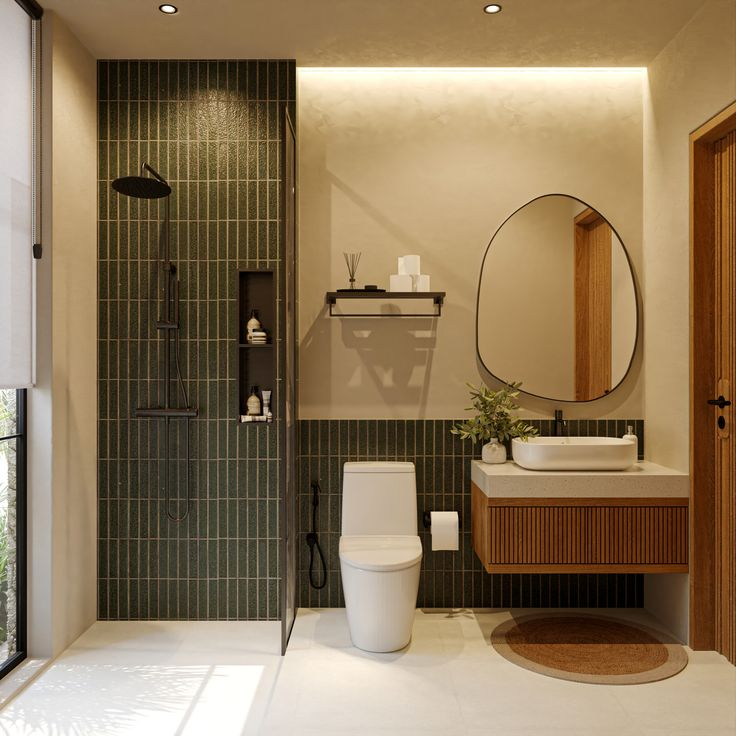
CREDIT: BALITECTURE
Section 1: Types of Small Bathrooms (And Why It Matters) Remodeling a Small Bathroom
Not all small bathrooms are created equal. The type of bathroom you’re working with will influence your design choices and priorities when remodeling a small bathroom. Here are the common types of small baths and why they matter: Remodeling a Small Bathroom
- Powder Room / Half-Bath: Usually just a toilet and a sink, a half-bath is typically used by guests or for quick visits. These see low traffic and less wear-and-tear compared to full bathrooms. Because of the limited features, a powder room remodel can be fast and affordable, often a great DIY opportunity for a small bathroom remodeling project focused mostly on cosmetic updates.
Remodeling a Small Bathroom - Guest Bathroom: A small guest bathroom usually includes a toilet, sink, and either a shower or a tub. It’s used occasionally by overnight guests or children. Functionality is key: you want it comfortable and convenient, but it doesn’t need ultra-luxury fixtures. Remodeling a small bathroom that’s a guest bath is usually about making budget-friendly updates that still impress, for example, fresh tile and updated lighting can make a big impact without a huge investment. Remodeling a Small Bathroom
Remodeling a Small Bathroom - Full Bathroom: This is a complete bathroom (toilet, sink, and tub/shower combo) that might be the primary bath in a smaller home. Even though it’s “small,” it serves everyday needs. Durability and smart use of space are crucial here. Remodeling a Small Bathroom that is a full bath often involves clever storage solutions, high-quality fixtures that can withstand daily use, and design choices that make the room feel larger than it really is. Remodeling a Small Bathroom
Remodeling a Small Bathroom
Pro Tip from Chris: “We always start with how you use the bathroom — that drives design choices more than square footage does.” In other words, when remodeling a small bathroom, think about who uses it (kids, guests, you every day?) and what features matter most (storage, easy cleaning, safety, etc.). A clear understanding of the bathroom’s role will guide your renovation plan more than just its size.
Section 2: Remodeling a Small Bathroom, What Does It Cost? Remodeling a Small Bathroom
One of the first questions we hear is, “What does remodeling a small bathroomcost?” The answer: it varies widely depending on the scope and your choices. You can freshen up a tiny half-bath on a shoestring budget, or invest in a high-end makeover for your small master bathroom — the range is big. Generally, remodeling a small bathroom falls somewhere between a few thousand dollars up to around $20,000+, with luxury projects going even higher. Remodeling a Small Bathroom
- Budget Makeover (Powder Room), You might spend as little as $1,500 to $3,000 for a basic update to a small half-bath. This could include a new faucet and toilet, a fresh coat of paint, and maybe a prefab vanity. (HomeGuide data shows powder room remodels average around $2,500–$5,000 including labor, but DIY effort and modest materials can bring costs down to the lower end of that spectrum.)
Remodeling a Small Bathroom - Typical Small Bathroom Remodel, For a small full bathroom (around 30–50 sq ft), remodeling costs usually range from about $5,000 up to $15,000 for a mid-range project. Nationally, homeowners can expect remodeling a small bathroom to average roughly $6,000–$12,000 for a complete renovation with quality fixtures. This level of project might include a new vanity and sink, standard tile floor, a prefab shower or tub insert, fresh lighting, and updated fixtures. Keeping the existing layout (i.e. not moving plumbing locations) helps stay within this budget. Remodeling a Small Bathroom
Remodeling a Small Bathroom - High-End Remodel (Small Bathroom), If you’re aiming for a spa-like finish in a small bathroom, costs can climb to $20,000–$30,000 or more. High-end small bathroom remodels might involve premium tile or stone, a custom vanity or storage built-ins, glass shower doors, upgraded lighting, and possibly moving fixtures or reconfiguring the layout. Luxurious materials and heated floors, for example, will push the budget upward. Even though it’s a small space, intricate tile work or high-end fixtures still carry significant cost. (It’s worth noting that in expensive urban areas, a “small” bathroom remodel can easily top $15k due to labor rates and material costs.) Remodeling a Small Bathroom
Remodeling a Small Bathroom
To give a clearer picture, here’s a typical cost breakdown for key components when remodeling a small bathroom (mid-range quality): Remodeling a Small Bathroom
| Item | Typical Cost Range |
| Plumbing Fixtures (toilet, sink, faucet, showerhead) | $250, $1,450 |
| Vanity/Cabinets | $250, $3,000 |
| Countertop (for vanity) | $200, $1,000 |
| Flooring (tile or vinyl) | $200, $1,350 |
| Lighting | $100, $400 |
| Painting | $150, $550 |
| Labor (contractor & trades) | ~$50, $100 per hour (varies by region) |
Keep in mind, labor typically constitutes a significant portion of the budget, often 30–50% of the total cost. Skilled trades like plumbing and electrical work are costly but crucial for a safe, successful remodel. Small bathrooms use fewer materials overall, but sometimes working in a tight space can increase labor difficulty (contractors may even charge a bit more per square foot to work in confined quarters). Always plan a 10–15% contingency in your budget for surprises behind the walls (like hidden water damage or outdated wiring).
MGS Insight: “We help homeowners prioritize their budget when remodeling a small bathroom: what’s worth splurging on (like proper ventilation or waterproofing), and where smart savings make sense.” For example, it’s often wise to invest in quality waterproofing behind your shower tiles and a good exhaust fan, but you might save by choosing a ready-to-install vanity instead of a custom one. We’ll work with you to find that ideal balance. Remodeling a Small Bathroom
Section 3: Remodeling a Small Bathroom, DIY vs. Hiring the Pros
When planning a bathroom remodel, a big question is which tasks you can tackle yourself to save money and which truly require a professional. A small bathroom might seem more DIY-friendly (less space, fewer fixtures, right?), and indeed there are aspects a handy homeowner can handle. However, other parts of remodeling a small bathroom are best left to licensed contractors for safety and quality. Here’s a breakdown:
What You Can DIY: Remodeling a Small Bathroom
- Demolition, Tearing out old fixtures, tiles, and drywall is labor-intensive but mostly straightforward. Many homeowners can handle the demolition phase of remodeling a small bathroom with proper precautions (turn off water/electricity, wear safety gear). Removing old cabinetry, flooring, and even that dated pink toilet can be a satisfying DIY demo project. Just be prepared for dust and debris, and plan a disposal method (e.g. rent a small dumpster or haul the waste to a facility). Remodeling a Small Bathroom
Remodeling a Small Bathroom - Painting, Repainting walls or even the vanity cabinet is an excellent DIY task. A fresh coat of mildew-resistant bathroom paint can transform a small space. Because small bathrooms have limited wall area, this is a weekend project most people can do with just brushes, rollers, and some patience.
Remodeling a Small Bathroom - Swapping Hardware, Replacing drawer pulls, towel bars, toilet paper holders, and faucet handles is typically easy and doesn’t require special skills. Upgrading these small details (maybe to a trendy matte black or brushed nickel finish) can instantly modernize your bathroom. It’s a simple part of remodeling a small bathroom that homeowners can manage with just a screwdriver and wrench.
- Installing Accessories, Little touches like hanging a new mirror, putting up shelving, or installing a shower curtain rod are DIY-friendly. As long as you anchor things properly (especially in tile or drywall), you can personalize your bathroom without a pro. Many accessory installs come with templates and instructions for the average DIYer.
What You Should Leave to the Pros:
- Plumbing and Rerouting Pipes, Any changes involving water lines, drain pipes, or moving plumbing fixtures should be handled by a licensed plumber. Mistakes can lead to leaks or floods that are disastrous in a small bathroom. Professionals will ensure everything is up to code and properly sealed. (In many municipalities, major plumbing changes require a permit and inspections, another reason to use a pro when remodeling a small bathroom.)
- Electrical Upgrades, Likewise, adding or moving light fixtures, installing an exhaust fan, or updating outlets (especially GFCI outlets near water) is a job for a licensed electrician. DIY electrical work in a bathroom is risky both for personal safety and code compliance. A pro will make sure your small bathroom is well-lit and wired safely.
- Waterproofing & Tiling, The wet areas (like the shower or tub surround) need proper backer board, membrane, and tile installation. This detail can make or break your remodel. “Doing it yourself” might sound feasible after watching some YouTube videos, but improper waterproofing is one of the costliest mistakes in bathroom remodels. Professional tile setters will slope your shower pan correctly, seal corners, and use techniques that prevent leaks. In a compact space, cuts and layouts for tile can be tricky too. Hiring a pro ensures your new tiles not only look beautiful but won’t cause mold behind the walls later.
Chris Says: “A bathroom remodel is like a puzzle — but some pieces, like plumbing or permits, should only be handled by experienced professionals.” Even in a small bathroom, you have multiple systems (water, electricity, ventilation) crammed into one little room. Know your limits on DIY. It’s perfectly fine (and smart) to DIY the cosmetic updates and save money, but when it comes to the critical functions behind the walls, bring in the pros. Remodeling a small bathroom isn’t worth a safety hazard or a do-over that costs more down the line.
Section 4: Remodeling a Small Bathroom, The Step-by-Step Process
If you’ve never undergone a bathroom renovation, you might not know what the process actually looks like. Remodeling a small bathroom involves a series of stages, and doing things in the right order is key to a smooth project. Below is a step-by-step walkthrough of how a typical small bathroom remodel unfolds:
- Demolition & Tear-Out: First, the old has to go. This means removing old tile, fixtures, and cabinetry. In a small bathroom, demolition can often be done in a day or two. We’ll carefully disconnect plumbing (toilets, sink, faucets) and cap off lines, take out the vanity, toilet, and any built-ins, and then tear out the old floor and wall tiles (usually down to the studs in shower areas). It’s messy work, expect noise and dust. We arrange for a dumpster or haul-away service to dispose of the debris properly. (Homeowner tip: this is a stage you can do yourself to save some money, but be cautious of hidden pipes/electrical and sharp edges. Always shut off utilities first.)
- Framing & Structural Changes: Once the room is gutted, we can address any structural modifications. In many small bathroom remodels, this might be minimal, but common tasks include adding framing for new niches or half-walls, adjusting wall studs to accommodate a recessed medicine cabinet, or enlarging a shower opening. We’ll also inspect the subfloor at this stage. If there’s any rot or water damage (not uncommon around an old tub or leaky toilet), we’ll repair or replace sections of subfloor plywood to ensure a solid foundation. Even in a small bath, structural integrity is important, you don’t want bouncy floors or walls that can’t support grab bars or heavy tiles later.
- Plumbing & Electrical Rough-Ins: With open walls and floors, the licensed pros come in to rough-in new plumbing lines or update old ones, and to run electrical wiring for any new lights, outlets, or fan. If you’re moving the shower drain or converting a tub to a walk-in shower, the plumbing changes happen now. We also install or reposition exhaust fan ducts at this stage (venting them properly to the outside for moisture control). An electrician will run cables for things like vanity lights or that fancy LED mirror you picked out. Remodeling a small bathroom often means working with tight cavities, but the goal is to tuck everything neatly behind walls before closure. After rough-ins, we schedule necessary inspections (for permits) to get approval that all the behind-the-scenes work is up to code. This step is crucial for safety and legality, never skip permits on a bathroom remodel, even if it’s small.
- Drywall & Backer Board Installation: Once the guts (plumbing/electrical) are done and approved, we close up the walls. We’ll install mold-resistant drywall (often greenboard or purpleboard) on the walls and ceiling of the bathroom. In the shower or tub area, regular drywall won’t do, instead, we put up cement backer board (such as HardieBacker or Durock) which is moisture-resistant and a solid substrate for tile. This is also when any waterproofing gets applied: for example, a brush-on waterproof membrane or a membrane sheet (like Schluter Kerdi) on the shower walls and floor to ensure a watertight enclosure. Proper waterproofing at this stage is absolutely critical: “Failing to address waterproofing properly can lead to costly issues like mold, mildew, and water damage,” one expert warns. We take this step seriously so your small bathroom remodel stands the test of time. After boarding and waterproofing, seams and screw holes are taped/mudded (in dry areas) and the space is prepped for the next phase.
- Tiling and Flooring: Here’s where things start looking like a bathroom again. We begin with tile work and flooring installation. In a small bathroom, choosing the right tile is important both for style and for making the room seem larger. Many homeowners opt for light-colored porcelain tiles on the floor and maybe ceramic subway tiles on the walls, durable and bright choices. We lay out the floor tiles (or luxury vinyl planks, if that’s your choice) in the pattern you’ve selected. Floors are usually done first or concurrently with wall tiling. Then, we tackle the shower walls or backsplash areas with tile. Our focus is on durability and water-resistance: using the correct thinset mortar, spacing tiles evenly, and ensuring proper slope to the shower drain. It can take a few days to tile and then grout a small bathroom, since we often tile walls one day and floors the next. The result is always rewarding, the new surfaces immediately make the room feel fresh and new. (Design tip: larger tiles or continuous patterns can visually expand a small bathroom, and lighter colors reflect more light, helping the space feel bigger.) We also seal the grout to protect against moisture. By the end of this step, your remodeled small bathroom has its new “skin.”
- Vanity & Fixture Installation: With surfaces finished, we install the fixtures and vanity. This includes setting the new toilet (with a fresh wax ring or rubber seal), installing the vanity cabinet or pedestal sink, and hooking up the faucet and drain plumbing. We’ll mount the vanity light fixture and any overhead light or fan trim kit. The mirror goes up (sometimes it’s part of a medicine cabinet we recessed earlier). We also add all the little fixtures: towel bar, toilet paper holder, robe hook, shower rod, etc. In a small bathroom, placement of these items is key, you want them handy but not poking you as you move around. Because we planned layout early, things like the toilet having enough clearance and vanity drawers not hitting the entrance door have already been figured out (avoiding those common small bath pitfalls where doors collide with fixtures!). When remodeling a small bathroom, we often use space-saving tricks here, like a wall-mounted vanity (to open up floor area) or a sliding glass shower door instead of a swing door, to make the most of the limited space.
- Paint, Accessories & Final Touches: We’re down to the finishing phase. Now we paint the walls and ceiling (if not done prior to installing fixtures, sometimes we do a coat of paint before vanity installation, then touch-ups after). A small bathroom usually only needs a gallon of paint, but we use a special kitchen/bath formula that resists mildew. Often a light, neutral color is chosen to keep the room feeling open. We’ll also do final caulking around the tub, along countertop backsplashes, and in corners where walls meet, sealing any gaps to make the space watertight and polished. Then comes a thorough cleaning of all surfaces (construction dust gets everywhere!) and installation of any remaining accessories like a shower curtain, window treatment, or decor. We’ll test all systems: flush the toilet, run the shower, test outlets and fans, making sure everything in your small bathroom remodel works perfectly. Finally, we invite you in for the grand reveal of your refreshed, remodeled small bathroom!
Client Confidence: “We’ll walk you through every phase — and keep your project running smoothly with minimal disruption.” At MGS, we know any renovation can be stressful, especially when it’s the only bathroom in your home. Our process for remodeling a small bathroom is honed to minimize downtime. Many small bathroom remodels can be completed in around 2-3 weeks of on-site work, depending on complexity. (In fact, we allocate roughly two weeks for a basic small bathroom remodel if there are no major layout changes, though scheduling of materials and inspections can affect the total time.) We keep you informed at each step, so you’re never left wondering what comes next or who’s showing up when. The result is a smooth experience where you can feel confident from demo day to the final finishing touches.
Section 5: Smart Design Tips for Small Bathrooms
Designing a beautiful and functional small bathroom is like solving a puzzle. The goal is to make the room feel larger and work better than before. Here are some smart design tips to consider when remodeling a small bathroom:
- Use Mirrors Strategically: Mirrors are a small bathroom’s best friend. A large mirror (or even a mirrored wall) can reflect light and make the space feel brighter and more expansive. Consider stretching a mirror across the entire vanity wall, or using a medicine cabinet with a mirrored front to double up on function. By reflecting the room back on itself, mirrors create an illusion that your small bathroom is almost twice its actual size. Don’t hesitate to add a second mirror or a mirrored backsplash detail, it all helps bounce light around.
- Go Vertical with Storage: In tight quarters, vertical space is golden. Install tall cabinets or shelving units that extend up toward the ceiling to maximize storage without hogging floor area. For example, a slim linen cabinet or a set of floating shelves above the toilet can hold towels and toiletries. Built-in niches are another great trick: we often recess shelves into wall cavities (between studs) for shampoos in the shower or extra TP by the toilet. Such built-ins maximize storage without taking up precious floor space. When remodeling a small bathroom, think vertically, use the height of the room for storage and design features (like vertical striped wallpaper to add visual height, as one clever idea).
- Choose Light Colors (or Clever Contrasts): It’s well-known that lighter colors make a room feel larger. Whites, soft grays, and pale neutrals on walls and floors can open up a cramped bathroom. Light colors reflect more light (both natural and artificial), which helps the room feel airy instead of cave-like. According to interior designers, light, cool hues help smooth over tight corners and make them feel less constricting. That said, don’t be afraid of a little contrast or color for character, for instance, a pale blue or mint green can add personality while still keeping things light. You can also use a darker accent tile or paint in moderation to add depth (some homeowners do an accent wall in a bold color or a band of mosaic tile for flair). The key is to maintain a mostly light palette so your small bathroom remodel achieves a spacious vibe.
- Opt for Floating or Pedestal Fixtures: Bulky cabinetry can crowd a small bath. Consider a pedestal sink or a wall-mounted floating vanity instead of a big vanity that touches the floor. Exposing more of the floor area makes the room feel less boxed in. A pedestal sink, for example, gives a classic look and forces you to keep storage elsewhere, which might actually reduce clutter. A floating vanity offers some storage but still shows floor underneath, creating a sense of openness. Likewise, a wall-mounted toilet (with the tank hidden in the wall) can save a surprising amount of space and make the floor easier to clean. When remodeling a small bathroom, each inch counts, so using sleek, compact fixtures helps the room feel larger even if the square footage hasn’t changed.
- Improve Door and Shower Configurations: Think about how traditional door swings can eat up space. In a tiny bathroom, a standard inward-swinging door might bump into the toilet or vanity. One smart solution is a sliding barn door or a pocket door that recesses into the wall, this eliminates the door clearance issue entirely. If a pocket door isn’t possible, reversing the door to swing out into the hallway (if code allows and it’s safe) could also free up interior space. For the shower or tub, opt for a clear glass shower door or panel instead of a shower curtain or frosted glass. Clear glass lets the eye travel through the shower, so the bathroom feels uninterrupted and more spacious. A sliding glass shower door (bypass door) is ideal as it doesn’t protrude. These adjustments during your small bathroom remodel can significantly improve how roomy the space feels day-to-day.
- Maximize Lighting (Recessed & Layered): Good lighting is essential in a small bathroom, both for functionality and for visual enlargement of the space. We recommend plenty of recessed lighting in the ceiling to spread light evenly without fixtures hanging down into the room. A light, bright ceiling (painted white or a very light color) further helps by reflecting light. In addition to overhead lights, include task lighting at the mirror (such as sconces on either side or an LED mirror) so that the space is well-lit for grooming. Layered lighting will eliminate shadows in corners that make a room feel smaller. If there’s a window, keep window treatments minimal to let in natural light (privacy can be achieved with a frosted film or a top-down shade). The brighter and more evenly lit your small bath is, the larger it will seem. As a bonus, a ventilating skylight (if feasible) is an awesome feature to flood a small bathroom with daylight and sky views, really opening it up.
Chris’s Rule: “Function always comes first — but a well-designed bathroom should feel bigger than it is.” In practice, that means when we’re remodeling a small bathroom, we never sacrifice the essentials (like adequate storage, ventilation, and lighting) just to chase a look. However, with smart planning, we often achieve both: a highly functional layout that also tricks the eye. The best compliment we hear after finishing a small bathroom remodel is, “Wow, it feels so much larger!” That’s how we know the design hit the mark.
Section 6: Common Pitfalls to Avoid When Remodeling a Small Bathroom
Learning from others’ mistakes can save you a lot of headache. Unfortunately, we’ve seen plenty of poorly executed bathroom renovations (done by less experienced contractors or DIYers) that suffer from the same set of pitfalls. Here are some common mistakes to avoid when remodeling a small bathroom, so your project can go smoothly and your finished space will be safe and comfortable:
- Overcrowding with Oversized Fixtures or Furniture: It’s easy to overwhelm a small bathroom by choosing fixtures that are too large for the room. For instance, an oversized vanity or a giant claw-foot tub might technically fit in your floor plan, but they’ll dominate the space and make it hard to move around. In fact, one of the biggest design mistakes in small baths is “choosing fixtures that are too large for the space, especially the vanity”. Oversized vanities can block doorways and make the room feel cramped. Avoid this pitfall by carefully measuring and opting for space-saving fixtures designed for small bathrooms. That might mean a 24-inch wide vanity instead of a 36-inch, a round-front (compact) toilet instead of an elongated one, or a neo-angle corner shower to save floor area. Remember, negative space (empty floor and wall areas) is not wasted in a small bathroom, it’s what gives your eyes a resting place and keeps the room from feeling claustrophobic.
- Choosing Trendy Materials That Don’t Last: We all love a good design trend, but be cautious: today’s hot style could be tomorrow’s regret, especially if it involves materials that aren’t durable. For example, some people install flashy wallpaper or trendy patterned tiles that look great on Instagram, but if those materials can’t handle moisture or daily use, they’ll deteriorate quickly. Also, extremely trendy color schemes (like that all-millennial-pink bathroom) can become dated in a few years. It’s important to balance trends with timelessness. You can incorporate modern touches in paint or easily changeable accents, but for big-ticket items like tile, flooring, or vanities, consider classic choices that age well. Also avoid materials that aren’t suited for wet environments, for instance, real hardwood floors or wallpaper not rated for bathrooms can be problematic. Stick to proven, water-resistant materials and add personality in ways that can be updated without another full remodel.
- Skipping Proper Waterproofing: Behind the scenes, one of the worst mistakes is cutting corners on waterproofing. A small bathroom still experiences big moisture, steamy showers, splashes, and occasional spills. If your contractor (or you, during a DIY) skips steps like installing cement backer board, applying a waterproof membrane in the shower, or caulking all joints, you are risking water damage. It might not show up immediately, but down the line you could get mold, mildew, or rot. As mentioned earlier, experts warn that failing to waterproof properly can lead to costly issues like mold and structural damage. This is a pitfall that can literally ruin your investment. To avoid it, always use the right materials (greenboard, backer board, sealants) in the right places, and don’t rush the process. When we handle remodeling a small bathroom, we take moisture control very seriously, from sealing tile grout to making sure the exhaust fan is venting well. Your beautiful new bathroom isn’t just skin-deep; it needs to have a solid, dry core.
- Underestimating the Timeline and Costs: Optimism is great, but when planning a remodel, be realistic. A common pitfall is assuming “it’s a small bathroom, it’ll be quick and cheap.” While it’s smaller scale than, say, a kitchen, a bathroom remodel has a lot of moving parts in a confined space. Underestimating how long it takes can lead to frustration (or living without a bathroom longer than expected), and underestimating costs can lead to budget overruns or quality compromises. There are often surprises once work begins, from discovering outdated wiring to finding that a previous DIY job wasn’t up to code and needs fixing. Professionals advise building in a buffer for both time and money. As one designer noted, “There will always be an issue that arises that was not planned for… Build in a little extra to cover those costs.”. If you think remodeling a small bathroom will take two weeks, budget for three or four, just in case. If you have a hard budget cap, prioritize must-haves first and have an extra 10-15% set aside for the unknowns. By planning for the worst (while hoping for the best), you’ll avoid panic when a hiccup occurs.
- Not Hiring Licensed Pros for Key Work: We touched on this in the DIY section, but it bears repeating as a “pitfall.” Trying to do complex plumbing or electrical work yourself (or hiring an unlicensed handyman to do it on the cheap) can lead to expensive mistakes, code violations, or even dangerous situations. For example, improper wiring in a bathroom can be a shock or fire hazard; poor plumbing connections might leak inside your wall for months before you notice. Saving a few bucks isn’t worth the risk. Similarly, if a permit is required and you bypass the process, you could run into issues when you try to sell the house or, worse, have an accident due to non-compliant work. Always bring in qualified, licensed professionals for the critical work in your small bathroom remodel. You’ll have peace of mind and typically a warranty on their work as well. Focus your DIY efforts on finishes and let pros handle the rest.
- Forgetting Ventilation: Small bathrooms need ventilation, yet sometimes in older homes we see bathrooms with no exhaust fan or a tiny, ineffective one. Forgetting to install proper ventilation is a big mistake. Without an exhaust fan (or a operable window in some cases), humid air gets trapped and causes mold growth, peeling paint, and lingering odors. It’s also not good for your health or the longevity of your new materials (that beautiful paint job can bubble in months if moisture has nowhere to go). When remodeling a small bathroom, plan for a good exhaust fan sized for the room (fans are rated by CFM, cubic feet per minute, and a small bath should have at least a 50-80 CFM fan, more if it’s a full bathroom with a shower). We often put the fan on a timer or humidistat switch so it runs long enough to clear moisture after showers. If possible, place the fan near the shower and ensure the duct runs to the exterior (venting into an attic is a no-no). A well-ventilated bathroom will preserve the integrity of your remodel and keep it fresh. Don’t let “it’s just a small room” fool you into thinking ventilation is optional, it’s critical in a wet environment.
- Neglecting Future Accessibility Needs: While focusing on the current design, many people overlook planning for the future. If this is a home you intend to stay in for a long time (or if elderly/disabled family members might use the bathroom), consider age-friendly or accessible design features now. It’s much easier to integrate these during a remodel than to retrofit later. In a small bathroom, that could include blocking in the walls for future grab bars (installing plywood between studs so you can add grab bars anywhere later), choosing a low-threshold shower entry or walk-in shower instead of a tub (to make stepping in easier), a comfort-height toilet, lever-style faucet handles, and slip-resistant flooring. Even simple things like adding a handheld showerhead or ensuring the door is wide enough (maybe using offset hinges to gain an extra inch or two of clearance) can make a big difference for accessibility. You can have these features without making the bathroom look “institutional”, there are many stylish universal design products now. By avoiding the pitfall of ignoring accessibility, you essentially future-proof your small bathroom. It will be a safe, comfortable space for all users for years to come.
(Need a handy checklist? We provide one to our clients covering all these potential pitfalls and more, so when you’re planning your small bathroom remodel, you can double-check that none of these mistakes sneak into your project.)
Section 7: Remodeling a Small Bathroom, Real Remodels (Before & After)
Nothing inspires like real-life examples! Here we highlight a few recent small bathroom remodeling projects by MGS Contracting Services in the Northern Virginia area. Each had its unique challenges and goals, but all proved that a small bathroom can undergo a big transformation:
- Leesburg, Powder Room Upgrade: In Leesburg, a homeowner had a cramped 1980s-era powder room (half-bath) that felt dark and dated. The goal for this small bathroom remodel was to modernize it and make it appear more spacious for guests. We swapped out the old vanity for a sleek pedestal sink, instantly freeing up floor space and giving the room an open feel. We replaced the large wooden medicine cabinet with a big frameless mirror, which helps reflect light and visually double the space. For style and impact, we added wainscoting and a fresh coat of soft gray paint above it, and installed a new contemporary light fixture. The dated vinyl flooring was updated to porcelain mosaic tile with a subtle pattern. In just a week’s time, this powder room went from drab to fab. Before, it felt like a closet; after, it feels like a jewel box. The homeowner joked, “It’s still the smallest room in the house, but now it’s our favorite!”, proof that remodeling a small bathroom can indeed make a huge difference.
- Ashburn, Small Master Bath Revamp: Over in Ashburn, a small master bathroom (full bath) needed clever solutions to maximize storage and usability. The client’s main complaints were lack of storage and an old tub they never used. We reimagined the layout without moving any walls: the old bathtub was removed and in its place we built a spacious walk-in shower with a frameless glass enclosure. Immediately, the bathroom felt more open. We included a built-in shampoo niche and a small corner bench in the shower for convenience. Next, to address storage, we utilized an empty wall by installing a tall built-in linen cabinet that only projects 12 inches deep but offers lots of shelves for towels and toiletries. Additionally, we chose a vanity with two deep drawers instead of cabinet doors, drawers make it easier to use every inch of space without items getting lost at the back. Bright white tiles and pale blue wall paint helped make the room feel calm and larger. The outcome of this remodeling a small bathroom project is a master bath that feels boutique-hotel chic. One homeowner told us, “I can’t believe it’s the same footprint, it feels like we gained an extra bathroom out of thin air!” By smartly reallocating space (from an unused tub to storage and open shower), we achieved what they wanted. And since this is a master bath they use every day, the investment in remodeling this small bathroom paid off in daily comfort and organization.
- Fairfax, Hall Bath Makeover for Accessibility: A family in Fairfax had a small hall bathroom that also serves as the guest bathroom, and they wanted to make it safe for an elderly parent to use comfortably. Accessibility was the priority, without making the bathroom look institutional. During the small bathroom remodel, we converted the existing tub-shower combo into a curbless shower, meaning there’s no step up to get in. We accomplished this by re-sloping the floor and installing a linear drain, then finishing with large, textured tiles that are slip-resistant. We added elegant grab bars in the shower and near the toilet that match the fixtures (oil-rubbed bronze, so they look like design elements). The outdated vanity was replaced with a wall-hung sink that has open clearance underneath, leaving space for a stool or walker if needed and making the room feel more open. A fold-down shower bench provides seating but can be flipped up to save space. We also made sure the door was widened slightly to accommodate mobility devices (using swing-clear hinges). Despite these functional improvements, style wasn’t sacrificed: the bathroom features warm wood-look floor tiles and a decorative accent strip in the shower for visual interest. The result is a beautiful, modern bathroom that anyone can use comfortably. The clients were thrilled that the space is both safer for their dad and more inviting for all their guests. This project demonstrated that remodeling a small bathroom with accessibility in mind can be done gracefully and add value to the home.
These examples show how different goals, be it aesthetic upgrade, better storage, or improved accessibility, can be achieved in a small bathroom. Every project is unique, but the common thread is thoughtful design and quality workmanship. If you’re dreaming about remodeling a small bathroom in your own home, take inspiration from these before-and-afters: even the tiniest bathroom can be transformed into a functional, beautiful space with the right approach.
Small Bathroom, Big Impact
Remodeling a Small Bathroom is one of those projects that delivers an outsized impact relative to its size. A well-executed remodel can elevate your daily routine, increase your home’s value, and eliminate a lot of little frustrations (like no place to hang a towel, or a dingy tile that never looks clean).
The key takeaway is that remodeling a small bathroom requires just as much careful planning as a large renovation, perhaps more, because every decision and detail matters when space is tight. But don’t let that intimidate you. With the right team and a clear vision, even the most cramped, outdated bathroom can become a standout sanctuary.
At MGS Contracting Services, we’ve completed countless small bathroom remodels for homeowners throughout Loudoun and Fairfax counties, and we absolutely love the moment when a client sees their newly transformed space for the first time. The “wow, it feels so much bigger!” exclamations never get old for us, because it means we achieved our goal: marrying function and style to create a small bathroom that lives large.
From the initial consultation where we discuss your needs, to the design phase where we plan every inch, through construction and the final finishing touches, we strive to make the process smooth and enjoyable. We believe that remodeling is a partnership, we bring the expertise in construction and design, and you bring your personal preferences and goals. Together, we’ll create a bathroom that truly reflects your taste and works for your life.
So, if you’re looking at your little bathroom and feeling uninspired or overwhelmed by it, remember that you have options. Perhaps you only need to swap out a few fixtures and repaint to refresh it, or maybe you’re ready for a down-to-studs renovation to re-imagine the space entirely. Either way, remodeling a small bathroom is a highly rewarding project. It’s an investment in your home’s comfort and appeal that you’ll appreciate every single day. And when done correctly, the benefits (enjoyment, convenience, peace of mind, and financial return) far outweigh the costs and temporary disruption of construction.
Ready to rethink your small bathroom? Let Chris and the MGS team help you build a space that’s functional, stylish, and built to last. We’re passionate about remodeling small bathrooms and would love to discuss how we can transform yours.
Contact us today at MGS Contracting Services to schedule a free consultation and start remodeling a small bathroom in your home. We’ll walk you through every step, from brainstorming design ideas to the final walkthrough of your beautifully remodeled space.
Serving Loudoun & Fairfax Counties, VA, including Leesburg, Ashburn, Sterling, Herndon, Reston, and beyond. MGS Contracting Services is your local expert for remodeling a small bathroom with big results!