
Build It Right from the Bones Up Bathroom Rough-In Plumbing
Think installing a bathroom is just picking tile and fixtures? Not quite… In reality, bathroom rough-in plumbing is the unsung hero of any bathroom remodel. It’s the stage where all the “hidden” work happens – laying down water lines, drain pipes, and vent stacks – and it forms the backbone of your new bathroom. You can choose the most beautiful tiles and luxury fixtures, but if the bathroom rough-in plumbing isn’t done right, those finishes won’t matter one bit when problems start cropping up. Bathroom Rough-In Plumbing
Let’s talk real: bathroom rough-in plumbing rarely gets the spotlight, but it’s absolutely critical. Mistakes made during the bathroom rough-in phase can lead to some of the worst remodeling nightmares – think ripped-up floors to fix leaks, mold hidden behind walls from slow drips, or toilets that won’t flush properly because the drain slope was off. As the owner of MGS Contracting Services, I’ve seen it all. I’m here to help you understand why getting the rough-in right (from the very bones of the bathroom) is so important. After years of remodeling bathrooms, our team lives by a simple motto: build it right from the ground up and you won’t have to fix it later. Bathroom Rough-In Plumbing
(Who am I? I’m Chris Chapman, a licensed contractor and a stickler for doing things the proper way. At MGS, we take pride in doing the behind-the-scenes work as perfectly as the visible stuff. So let’s dive into the details and make sure your bathroom remodel starts on solid ground.) Bathroom Rough-In Plumbing
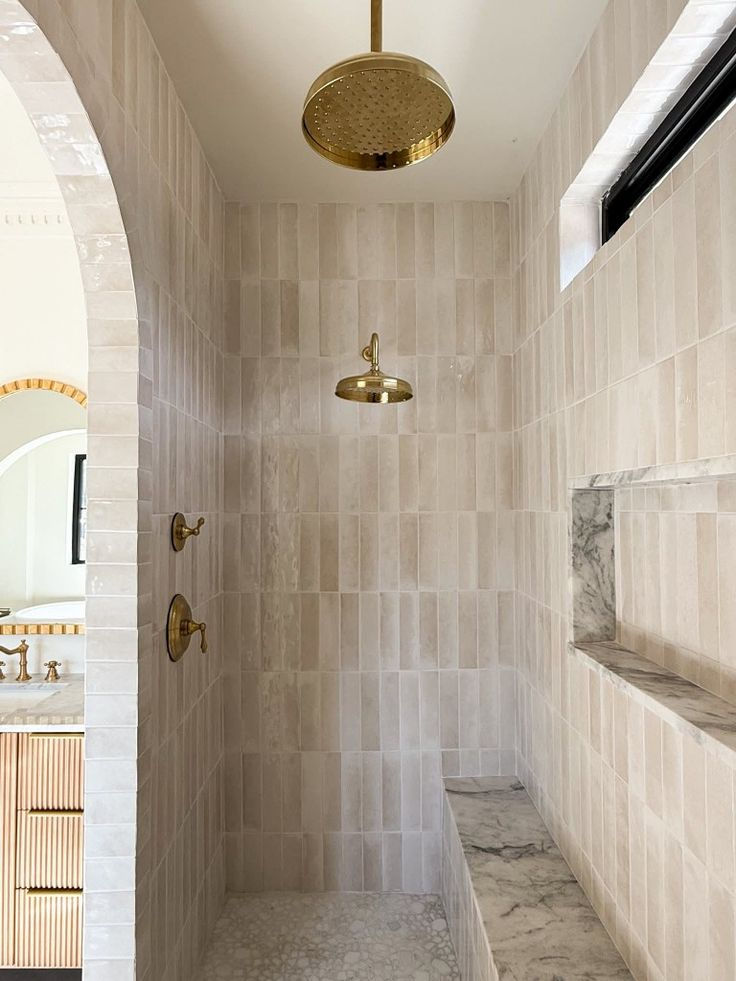
CREDIT: PINTEREST
What Is a Bathroom Plumbing Rough-In? Bathroom Rough-In Plumbing
In plain English, a bathroom plumbing rough-in is the first phase of installing your bathroom’s plumbing infrastructure. It happens before any drywall, tile, or fixtures (toilet, sink, tub) are in place. During the bathroom rough-in plumbing stage, your plumber will route all the water supply lines (for hot and cold water) and all the drain (waste) pipes through the wall studs or floor joists. They’ll also set up the vent stacks that keep your drains flowing smoothly. Essentially, bathroom rough-in plumbing is laying down the “bones” of the bathroom’s plumbing system according to a carefully planned layout. Bathroom Rough-In Plumbing
What gets installed during this stage? The rough-in includes running water supply pipes to the location of each fixture, setting drain pipes (and stubbing them out where fixtures will connect), and installing vent pipes that usually run up and out through the roof. The plumber will measure and mark the exact locations where your toilet, sink, and shower or tub will go – often referred to as marking the fixture centerlines. They’ll drill holes in the framing to run the pipes exactly where they need to be. Nothing is connected to actual faucets or toilets yet; we’re just placing the pipes and making sure every connection is solid and leak-free.
Why is this rough-in stage so critical? Because if something is placed incorrectly during the bathroom rough-in plumbing phase, you might not realize it until you try to install your fixtures (or worse, until after you’ve finished the bathroom and something doesn’t work right). A misaligned toilet drain, for example, could mean your toilet won’t sit flush to the wall or at all. A sink’s drain stub-out set too low could conflict with a vanity drawer. Incorrect slopes or missing vents could result in poor drainage and sewer gas odors. Fixing those issues later often means tearing up finished work – an expensive and frustrating proposition. It’s no exaggeration to say a good bathroom starts with good bathroom rough-in plumbing.
Contractor Insight: “We’ve walked into plenty of botched DIY jobs where the tile looked great… until the water backed up into the subfloor. A solid rough-in is your bathroom’s foundation — literally and figuratively. Do it wrong, and that pretty bathroom can turn ugly fast.” Bathroom Rough-In Plumbing
Key Terms You’ll Want to Know (Even If You’re Not Doing It Yourself)
You don’t need to be a plumber to benefit from knowing a few key terms. Understanding the lingo of bathroom rough-in plumbing will help you follow along with your contractor’s plans and verify that everything is being done to spec. Here are some important terms explained in layman’s terms:
- Centerline: The imaginary line that runs through the exact center of a fixture’s placement. When we talk about distances (like “15 inches from the toilet’s centerline to the wall”), we mean measuring from that center point. In bathroom rough-in plumbing, the centerline often refers to the location of a drain pipe or fixture outlet. For example, if two sinks are going to be installed in one vanity, the plans might say “the centerlines should be 30 inches apart.” That means measure from the center of one drain pipe to the center of the other. Knowing the centerline ensures everything is symmetrically placed and that fixtures won’t be too close to walls or each other. Bathroom Rough-In Plumbing
Bathroom Rough-In Plumbing - Base Floor Height: This refers to the reference level from which vertical measurements are taken. In new construction, base floor usually means the subfloor (since finish flooring isn’t in yet during rough-in). In a remodel, it often means the top of the finished floor if you’re working in an existing space. Why is this important? Because all your vertical rough-in measurements (like how high to stub out a sink drain or a shower head) need to account for the finished floor height. If you’re remodeling and the tile isn’t down yet, a plumber will measure from the subfloor but must remember that the finished floor might add 1/2 inch or more. Always clarify what “floor” we’re measuring from – subfloor or finished floor – to get those heights right. Bathroom Rough-In Plumbing
Bathroom Rough-In Plumbing - Supply Line vs. Drain (Discharge) Line: Simply put, supply lines are the pipes that bring fresh water into your bathroom fixtures, while drain (or discharge) lines carry used water (and waste) out. Supply lines are typically smaller diameter (often 1/2 inch for bathroom fixtures) and made of copper, PEX, or similar, delivering hot or cold pressurized water to your sink, toilet (for filling the tank), shower, etc.
Drain lines are larger (usually 1 1/2 to 2 inches for sinks/tubs, and 3 or 4 inches for toilets) and rely on gravity (not pressure) to carry wastewater down to your sewer or septic. During the bathroom rough-in plumbing phase, both types of lines get installed in the walls/floors: you’ll see pairs of capped supply pipe stubs for each fixture and larger drain stubs positioned where traps or toilets will eventually connect.
Bathroom Rough-In Plumbing
(Other terms you might hear include “P-trap”(the U-shaped pipe under sinks/tubs that prevents sewer gases from coming back up) and “Vent stack”(the pipe that runs upward to expel sewer gases and admit air, usually protruding through the roof). While you don’t need to memorize every technical detail, understanding the basics will make it a lot easier to communicate with your plumber and follow the rough-in diagram or product specs for your fixtures.) Bathroom Rough-In Plumbing
Standard bathroom rough-in plumbing Dimensions — Fixture by Fixture
Every fixture in your bathroom has standard rough-in dimensions – these are common measurements that plumbers and builders use to place pipes correctly. Knowing these bathroom rough-in plumbing standards ensures that when you go to install the toilet or hook up the sink, everything lines up perfectly. Below, we’ll go through each major fixture (toilet, sink, shower, tub) and cover the typical bathroom rough-in plumbing dimensions for each. Keep in mind, these are general standards; there might be slight variations based on your specific fixtures or local building codes, but they provide a reliable guideline. Bathroom Rough-In Plumbing
Toilet Bathroom Rough-In Plumbing
When it comes to bathroom rough-in plumbing, the toilet is often the first fixture people think of – and for good reason. If the toilet’s rough-in is wrong, you’re in for a bad time (and possibly a smelly, leaky one too). Here are the key rough-in dimensions and considerations for a standard toilet: Bathroom Rough-In Plumbing
- Toilet Drain (Floor Flange) Distance from Wall: The standard toilet rough-in distance is 12 inches from the finished wall to the center of the toilet’s drain (the flange). This means when measuring from the bare wall (studs) you should account for drywall or tile thickness – for example, from an unfinished wall you’d leave about 12½ inches to account for that ½ inch drywall. (Many toilets are designed for a 12″ rough-in. Older homes sometimes have 10″ rough-in toilets, and occasionally you’ll see 14″. It’s important to know which your bathroom has or needs, because a toilet built for a 12″ rough-in won’t fit a 10″ drain without an adapter.) In short: measure this twice, install once. Bathroom Rough-In Plumbing
Bathroom Rough-In Plumbing - Supply Line Height: The water supply line feeding the toilet’s tank usually comes out of the wall about 8¼ inches above the floor. This height is chosen to clear most baseboard moldings and still easily connect to the toilet’s fill valve. In practice, plumbers might place it anywhere from roughly 6 inches to 10 inches up, depending on baseboard height or other considerations, but 8¼″ is a safe bet for a standard setup. The outlet of the supply (where you attach the shutoff valve) typically ends up a few inches left of the toilet centerline. Bathroom Rough-In Plumbing
Bathroom Rough-In Plumbing - Supply Line Horizontal Position: Ideally, the toilet’s water supply stub-out should be about 6 inches to the side of the toilet centerline (usually to the left side as you face the toilet). This keeps it close enough to connect the flexible supply hose, but far enough to not interfere or be visible behind the toilet bowl. You’ll notice most toilets have their fill valve on the left side of the tank, which is why plumbers rough-in the water line on that side.
- Side-to-Side Clearance: Building codes require a minimum of 15 inches of clearance from the toilet’s centerline to any side wall or obstacle (like a vanity or tub). This means from the center of the toilet bowl, you need at least 15″ to the left and 15″ to the right with nothing in the way. That’s the minimum; 18 inches on each side is often recommended for more comfort (no one likes banging their elbow on a wall when… you know, taking care of business). If you have the space, err on the side of more clearance. (Fun fact: ADA guidelines for accessible design actually call for a wider spacing – around 16″-18″ from the center to the nearest wall – to accommodate grab bars and wheelchairs. So 18″ isn’t just luxurious, it can be necessary for accessibility.) Bathroom Rough-In Plumbing
- Front Clearance: You also need open space in front of the toilet. The minimum is 21 inches from the front edge of the toilet to any wall, door, or other fixture in front. Imagine a clear space in front of the bowl so your knees aren’t hitting anything and you can stand up comfortably. 30 inches or more is ideal (especially for taller folks or in a large bathroom, why not give yourself some breathing room?). If you’re designing a tight half-bath, 21″ is the legal minimum, but more is always better if you can manage. Also, consider door swing: if you have a bathroom door near the toilet, make sure the door doesn’t swing into that 21″ clearance zone.
- Other Toilet Rough-In Tips: Make sure to account for the thickness of your finished wall and floor when doing the bathroom rough-in plumbing for your toilet – specifically when setting the flange height and distance. The toilet’s flange (the pipe fitting that the toilet bolts to) usually sits on top of the finished floor, flush with it. So if you’re adding tile later, the flange should ultimately be at tile height, not sunk down at subfloor level. Additionally, choose your toilet early if possible.
For instance, an elongated bowl sticks out a couple inches further than a round bowl – meaning in a very small bathroom, an elongated toilet might reduce your front clearance more than you expect. And if you’re considering a wall-hung toilet (with a tank in the wall), that has entirely different rough-in requirements (often a carrier in the wall and a drain that’s in the wall instead of floor). Plan accordingly during your bathroom rough-in plumbing work.
Chris’s Take: “We always recommend erring on the generous side with toilet spacing — you’ll thank us later. An extra inch or two from the wall, or a few more inches in front, can make a world of difference in comfort. Trust me, nobody ever complains their toilet has too much space around it!”
Sink
Sinks can be wall-mounted, pedestal style, or part of a vanity cabinet, but the rough-in dimensions are fairly standard to accommodate most styles. Proper bathroom rough-in plumbing for a sink ensures that once you install the vanity or pedestal, the pipes line up correctly with the sink’s faucet and drain. Here’s what to know for sink rough-ins:
- Drain Pipe Height: The sink drain (the outlet in the wall where your P-trap connects) is typically roughed in during the bathroom rough-in plumbing stage at about 16 to 20 inches above the finished floor. This is the height to the center of that drain line. Why the range? It depends on the height of your sink and vanity. A standard bathroom vanity might have a countertop around 32-36″ high, and the sink bowl depth and P-trap take up some room below that. Putting the drain stub-out around 18″ off the floor is a common target that works for most situations.
If you’re installing a pedestal sink (which is open underneath), the manufacturer will often specify the ideal drain height (it might need to be exactly, say, 18″ so that the trap fits behind the pedestal column). If you’re going custom or have a vessel sink that sits on top of the counter (making the sink drain higher), you might rough the drain a bit lower to compensate. The key is: know your sink design ahead of time if possible.
- Water Supply Lines Height: For the sink’s hot and cold water supply lines, the rule of thumb is to place them a few inches above the level of the drain stub-out. Typically, you’ll see the two water supplies roughed in around 2 to 3 inches higher than the sink drain line. So if your drain is at 18″ from the floor, the hot and cold stub-outs might be around 20-21″ from the floor. This stagger prevents the supplies from interfering with the P-trap assembly and also makes them easier to reach under the sink.
- Water Supply Horizontal Spacing: During bathroom rough-in plumbing, the two supply lines (hot and cold) are spaced about 8 inches apart (horizontal distance), straddling the drain. In practical terms, that often means each supply is roughly 4 inches left and 4 inches right of the sink’s centerline. Hot is usually on the left, cold on the right (that’s a standard convention). By keeping them about 8″ apart, you ensure the shutoff valves and hoses have room and don’t bump into each other or the drain. This spacing fits well behind most sinks and within vanity cabinets.
- Side Clearance: A sink needs some breathing room side-to-side as well. Aim for at least 15 inches from the sink’s centerline to any side wall or tall cabinet (that’s a common bathroom rough-in plumbing guideline). That prevents you from feeling cramped or bumping your elbow on a wall when washing up. 20 inches is even better for a more open feel. If you’re planning a double-sink vanity, pay attention to spacing: you want adequate room between the two sinks so two people can use them comfortably. Generally, double vanities have sinks spaced about 30 or more inches apart center-to-center. This usually gives each sink those ~15″ of its own side clearance to the edge of the vanity or wall. Also, it’s wise to have at least a few inches (say 4″ or more) between the edge of the sink (or countertop) and any side wall, so water splashes don’t constantly hit the wall – plus it leaves room for things like backsplash tiles or faucet handles.
- Front Clearance: We don’t often think about space in front of a sink because usually you’re standing there, not an object. But you do want at least 21 inches of clearance in front of a sink (that’s the standard bathroom rough-in plumbing minimum) to any opposite wall or fixture. This is usually not an issue unless you have a very tight bathroom where a sink faces a wall or tub. That 21″ minimum in front ensures you can bend over the sink without your backside hitting something, and you have room to open cabinet doors or drawers if it’s a vanity. If you can get 30″ or more, great – it will just feel more comfortable when two people are using the bathroom.
- Special Sink Considerations: Think about the type of sink or vanity you’ll install before the bathroom rough-in plumbing work starts. Different sinks and vanities have different requirements. If you choose a vanity with drawers, for example, you might need to position the drain a bit higher or off-center to clear the drawers (or get a vanity designed to accommodate plumbing). For vessel sinks (those bowl-like sinks that sit on top of the counter), often the countertop is lower or the vanity cabinet is designed shorter since the bowl adds height – check if that affects where the drain should be placed.
Wall-mounted faucets (if you opt for one) mean your water supply lines would be roughed in higher on the wall than usual (more in the realm of the sink’s height, not below it). And if you have a wall-mounted sink or floating vanity, make sure proper support framing is in place and the plumbing is snug up within that wall cavity. The bottom line: pick your sink and vanity early. It’s much easier to run the bathroom rough-in plumbing to fit the fixture, than to later discover your chosen vanity doesn’t work with where the pipes are coming out of the wall.
Chris’s Tip: “Pick your sink cabinet before you rough-in — not the other way around. We’ve seen folks rough-in pipes and then buy a vanity with drawers that smack right into the drain trap or valves. By choosing your vanity or sink first, you can have the plumbing tailored to fit it, saving a lot of headache later on.”
Shower and Bathtub
Showers and tubs involve a mix of plumbing elements – you’ve got water supply lines for hot and cold, a mixing valve, a shower head (and maybe a tub spout), plus a drain (with a trap) that needs positioning. The bathroom rough-in plumbing for a shower or bathtub will differ slightly depending on whether you have a stand-alone shower, a bathtub-shower combo, or a freestanding tub. Let’s break down the standard rough-in dimensions and then highlight a few special cases.
- Shower Head Height: For a typical shower, the shower head (or more specifically, the shower arm that comes out of the wall) is roughed in at about 80 inches from the floor. This means the pipe outlet in the wall where you eventually screw on the shower arm is ~80″ high. This height positions a standard shower head roughly at 76-78″ high once installed (since the shower arm usually angles down a bit). 80″ is a comfortable height for most people – tall enough that a 6-foot person won’t have to duck, but not so high that water sprays over the enclosure. If you have family members 6′5″ or taller, you might raise it a few inches more.
Conversely, in a shower-tub combo where the shower head is above the tub, 80″ from the floor is still common (the tub’s rim might be 14-20″ off the floor, so the head ends up ~60″ above the tub floor). The idea is to provide ample headroom. During the rough-in, we’ll run a vertical pipe up inside the wall to that height and secure it, with a drop-ear elbow fitting at 80″ where the shower arm will eventually screw in.
- Tub Faucet Valve Height: Typically, as a standard bathroom rough-in plumbing practice, bathtub faucet valves are set about 20 to 22 inches above the floor. This puts them a few inches above the top of a standard tub (most tubs are 14-20″ high). That way, the tub spout which connects to this valve can be placed around 4 inches above the rim of the tub. Four inches above the tub’s edge is a good rule of thumb to avoid back-siphoning (so the tub spout outlet is above the overflow level of the tub) and to ensure the spout isn’t so low that it’s hard to clean around or so high that water might splash out when filling the tub. In a shower-tub combo, having the valve at ~20″ is convenient for someone standing outside the tub to reach in and turn on the water.
If it’s a shower-only setup (no tub to fill), the mixing valve is often positioned higher – usually around 40 to 48 inches from the floor (about chest height for an adult) – so you can easily reach it without crouching. The exact height can be based on personal preference, but you wouldn’t put it as low as 20″ since no tub spout is involved. The main takeaway: know what kind of fixture you’re installing. A freestanding tub might have its faucet separate (like a floor-mounted filler), which has entirely different rough-in requirements. Always consult your specific fixture’s instructions.
- Water Supply Lines (Horizontal Spacing): For any tub/shower valve, you’ll have a hot and cold water supply feeding it. These two supply lines are usually roughed in 8 inches apart (center-to-center). Essentially, when the plumber runs the lines, they connect directly to the valve body at the spacing that the valve requires. Most single-handle mixer valves take in hot on the left and cold on the right, typically those ports are about 8″ apart. If it’s a two-handle faucet (separate hot and cold knobs, more common on some bathtub setups), those handles are often 8″ apart too (standard widespread configuration), so the rough-in would reflect that. The important thing is making sure the spacing and layout match the fixture’s specifications. And of course, as always, hot goes on the left, cold on the right – that’s a plumbing standard.
- Drain Location: Getting the drain location right is vital in any bathroom rough-in plumbing job. For a bathtub, the drain hole is typically at one end of the tub (either left-hand or right-hand, depending on tub design). When roughing in a tub in an alcove (against the wall), the drain pipe in the floor needs to line up perfectly with the tub’s drain opening. Usually, this means the center of the tub drain will be along the tub’s centerline (width-wise) and a few inches from the framing of the end wall. For example, many standard tubs might have their drain located roughly 12-14″ from the stud wall at the end, so you’d leave an opening in the subfloor at that spot to install the tub’s P-trap and connect it.
For a shower stall, often the drain is centered in the shower floor (especially for square or neo-angle showers). If it’s a rectangular shower, the drain might be offset a bit (some prefab shower bases have an off-center drain). The rough-in process will have the drain pipe (usually a 2″ pipe for a shower) coming up at the correct spot to meet the shower drain. In both cases – tub or shower – the drain is essentially at floor level. The plumber will install a P-trap underneath the floor (to prevent sewer gases) and connect it to the vertical drain pipe. During the bathroom rough-in plumbing stage, you might just see a pipe sticking up from the floor, or an open hole where the tub’s drain will go, until the fixture is installed.
- Vent and Trap Considerations: (Just a quick note – every tub or shower drain needs to be properly vented and trapped as part of the rough-in. Usually the vent for a tub/shower ties into the drain line a short distance from the fixture via a T-fitting that goes upward inside a wall. This is all part of the rough plumbing but isn’t visible once finished. Suffice to say, a good plumber will ensure your tub/shower is vented so it drains well and doesn’t gurgle or smell.)
- Fixture Clearances: While tubs and showers don’t have strict side-to-side clearance requirements like toilets and sinks do (since one side of a tub/shower is typically against a wall anyway), you should still plan for some open space for safety and comfort. For instance, try to have at least 18 inches of space free on the side of a tub or the entrance of a shower (plan this into your bathroom rough-in plumbing layout) so you have a bit of elbow room and space to step in and out. And in front of a shower or tub, you want open floor area to move safely. 18 inches in front is an absolute minimum (imagine stepping out of a shower – you don’t want to immediately hit a wall or another fixture). 24 inches or more in front is better, especially if you have a shower door that swings outward. (In fact, many building codes specify at least 24″ of clearance for an outward-swinging shower door for safety.) Basically, don’t cram a tub or shower so close to other things that it’s difficult to use.
- Special Cases: If you’re doing a custom tile shower with a built-in curb, remember the drain might not end up exactly centered once you account for the curb width and wall thicknesses – so adjust your rough-in accordingly based on the shower pan or layout you plan. Always refer to the shower base manufacturer’s specifications or your shower designer’s plans when roughing in the drain. For freestanding tubs, the plumbing can be a bit trickier: often the drain will come up through the floor directly under the tub (since the tub isn’t against a wall, you can’t hide the drain in a wall). The hot and cold water lines might also come up through the floor, unless you’re using a wall-mounted filler. This means you must know the exact model of tub and filler faucet you’re using, because one freestanding tub might have a center drain, another might have a drain toward one end; some floor-mount fillers require certain spacing for the water lines, etc. In short, the key is, match the bathroom rough-in plumbing to your fixture’s specs. Don’t assume all tubs or showers are alike. Taking the time to get those measurements right during rough-in will save you huge headaches during installation.
Pro Note: “Some tubs have unique drain locations — always match your rough-ins to your specific model. Don’t assume a new tub’s drain will line up exactly where the old one was. We’ve seen new tubs delivered that had the drain two inches off from where the old tub’s was, and guess what? We had to open up the floor again to move the pipe. Avoidable with a little upfront planning!”
Real-World Project Example: Tackling a Rough-In Gone Wrong (Leesburg, VA Remodel)
To drive home just how crucial proper bathroom rough-in plumbing is, let me share a real-world example from a recent project we handled in Leesburg, VA. The homeowner had a beautiful vision for their bathroom – modern fixtures, a spacious walk-in shower, the works. They hired us because their last contractor had started the job but left them with a mess behind the walls. When we opened up the floor and walls, we discovered some rough-in plumbing mistakes that could have spelled disaster down the road.
What we found: First, the toilet was not positioned correctly. The drain was off-center by a few inches and too close to the wall – had we installed a toilet on that, the bowl would’ve almost touched the side wall and would violate code clearances (not to mention be uncomfortable to sit on!).
Apparently, the previous installer either measured wrong or ignored the 15″ centerline spacing rule. We also found an outdated cast-iron drain pipe serving the old tub/shower. It was heavily corroded and under-sized for the new walk-in shower the owner wanted (the new shower needed a 2″ drain, but the old line was only 1½″ and half-clogged with deposits).
Additionally, the hot/cold supply lines for the sink were roughed in way too low on the wall. The homeowner had picked a vanity with drawers, and as-is, those drawers would’ve run smack into the plumbing and not closed fully. It was clear that if we didn’t address these issues during the rough-in stage, the homeowner would face major headaches later: a toilet that didn’t fit, a shower prone to backups, and a vanity that couldn’t be installed without hacking it up to accommodate pipes.
How we fixed it: We went back to the drawing board – literally. We measured and marked proper centerlines for every fixture according to standard bathroom rough-in plumbing dimensions and the specs of the new fixtures the client selected. We moved the toilet drain a few inches over to ensure exactly 18″ from the new vanity and 18″ from the side wall (giving the toilet plenty of elbow room). This involved cutting into the subfloor and redirecting the waste pipe slightly – a bit of work, but far easier now with open floors than later on. We also removed the old cast iron drain entirely and replaced it with new PVC piping of the correct diameter.
While doing so, we fixed the slope of the drain line, which previously was almost flat (no wonder that old tub drained slowly!). We tied the new shower drain into the main line with the proper trap and vent configuration so it would pass inspection and flow like a champ. For the sink, we adjusted the copper supply lines to sit higher on the wall – about 20″ from the floor and spaced apart properly – just outside the path of the vanity drawers. We also installed blocking in the wall to secure the new valves, making sure nothing would wobble once the drywall and vanity were in place.
When we were done with the rough-in, we pressure-tested the water lines and did a flood test on the shower pan, and everything checked out leak-free. The work was then inspected by the county inspector, who gave a thumbs-up on the first go (always a proud moment!).
The result: After we closed up the walls and finished the remodel, you wouldn’t know from looking at the gorgeous freestanding tub, sleek double vanity, and rainfall shower that behind each fixture lies a rock-solid network of pipes. But the homeowner sure has peace of mind. They know that beneath the tile and paint, the plumbing is done right. Water flows smoothly, fixtures fit perfectly, and there’s no “jerry-rigging” hidden out of sight. In fact, we’ve since gotten a referral from this client after they proudly showed off their new bathroom – and we like to think it’s because we took the time to get the rough-in perfect.
This story highlights a simple truth: you can’t afford to ignore the bathroom rough-in plumbing details. It’s where potential problems are either fixed proactively or basically built-in by mistake. And at MGS Contracting Services, we don’t cut corners on this step – ever.
Tips for a Smooth Rough-In Phase
Whether you’re doing a full bathroom makeover or just swapping out an old fixture, these tips will help ensure your bathroom rough-in plumbing goes smoothly and sets you up for success:
- Pick Your Fixtures Before You Pipe: Always choose (or at least have a very good idea of) your toilet, sink/vanity, tub, shower fixtures before the bathroom rough-in plumbing work starts. Different products have different requirements – toilets can have 10″, 12″, or 14″ rough-ins; some freestanding tubs might need the drain in a non-standard spot; a vanity might have drawers that require the plumbing to be offset or higher. By selecting your fixtures early, your contractor can adjust the pipe placement to fit the exact dimensions needed. It’s much cheaper and easier to move a pipe on paper (or when the walls are open) than after everything is finished. As we like to say, “Fixtures first, pipes second.”
- Check Local Codes and Get Permits: Your city or county’s plumbing code is the ultimate authority on how your bathroom rough-in plumbing should be done. While general guidelines (like the ones in this article) apply most places, local codes might have specific rules – for instance, some areas require a minimum of 24″ in front of a toilet instead of 21″, or a certain type of drain vent configuration.
Always ensure that your bathroom rough-in plumbing plan complies with the code where you live. This usually means having a licensed plumber who knows the local code, pulling the proper permits, and getting inspections. Yes, permits and inspections might sound like a hassle, but they are there to protect you. An inspector will catch mistakes or shortcuts that you (or a less experienced contractor) might miss. Plus, when you go to sell your home, having documentation that the work was permitted and approved can save you from potential problems. It’s better to spend a little extra time on paperwork now than to pay for a big tear-out later because something wasn’t up to snuff.
- Triple-Check Your Measurements and Clearances: In rough-in plumbing, it’s truly “measure twice (or thrice), cut once.” Before any pipe is permanently glued or anchored into place, double- and triple-check the key dimensions to avoid bathroom rough-in plumbing mishaps. Verify the distance from the walls, the height off the floor, the spacing between pipes – everything. If your plan says the sink drain should be 18″ above the floor, confirm that with the actual vanity’s dimensions in mind. If the toilet centerline is marked at 12″ from the unfinished wall, remember to account for the drywall – that should be 12½″ from the studs.
Check that there will be at least 15″ from the toilet’s center to the side wall or next fixture, and at least 21″ in front of it. Lay out painter’s tape on the floor for the tub or shower footprint to double-check you’ve left enough room. It’s much easier to adjust pipes during the bathroom rough-in plumbing phase than to discover a mismeasurement after everything’s been tiled over. One trick we use is keeping the fixture spec sheets on-site – they list all the rough-in requirements. We measure against those specs as a final sanity check.
- Don’t Skip the Venting: A common DIY mistake in bathroom rough-in plumbing is forgetting about vent pipes or underestimating their importance. Every drain in your bathroom needs proper venting so that wastewater flows smoothly and odors stay out of the house. So make sure your rough-in includes appropriate vent connections for each fixture. The toilet will usually have a vent pipe that comes off its drain line (often tying in within 6-10 feet of the toilet), sinks typically have a vent going up from the drain line behind the wall, and showers/tubs need venting too (sometimes shared or tied into another vent line, but sized correctly).
Don’t let anyone tell you “that one vent over there is enough for everything” without verifying it meets code. Improper venting can lead to slow drains, gurgling noises, and sewer gas smell – things no homeowner wants to deal with. Good venting = no sewer smells, no slow drains, and a healthy plumbing system. So insist on doing it right as part of the rough-in.
- Never Guesstimate Pipe Heights or Angles: Precision counts. When doing bathroom rough-in plumbing, an inch or two off can spell trouble later. For example, if you “guesstimate” the shower valve height and it ends up too low, you might have to stoop to reach the controls – too high, and shorter folks or kids might struggle. If you set a sink drain too low because you didn’t account for the P-trap size or the vanity drawer, you could be forced to cut into the vanity or redo the plumbing. Always use a tape measure and a level when positioning pipes.
Also, pay attention to pipe slope on horizontal drains: the standard is a 1/4 inch drop per foot of pipe for proper drainage. Don’t eyeball this – use a level or slope level to set it. Too little slope and waste water won’t evacuate properly; too much slope and water might outrun the solids, causing clogs. Every angle and elevation in bathroom rough-in plumbing should be deliberate, not a guess. If you’re unsure about a measurement, check the fixture specs or consult a plumbing pro. It’s far better to take a few extra minutes (or hours even) to get it right now than to tear out pipes later.
- Hire a Pro Who Doesn’t Cut Corners: Lastly, the best tip is to get a qualified contractor or plumber for your bathroom rough-in plumbing work. A licensed, experienced professional will know the ins and outs of bathroom rough-in plumbing, from using the correct materials (and knowing when to use PVC vs. copper vs. PEX, for example) to understanding code requirements and best practices. They won’t, for example, use an undersized vent pipe just because it’s easier, or skip securing pipes (loose pipes can rattle or leak later).
They will also test the system – doing pressure tests on water lines and leak tests on drains – before closing everything up. When you hire someone who takes pride in their work (like our team at MGS Contracting Services!), you get peace of mind that your walls and floors won’t be hiding any ticking time bombs. Sure, professional work might cost more than a DIY job or a “cheap” fix, but consider the cost (and stress) of ripping out a finished shower or floor to fix a hidden leak later. It’s just not worth it. Go with people who do the bathroom rough-in plumbing right the first time.
(In short: plan ahead, measure meticulously, follow the rules, and don’t be afraid to bring in experts. Your future self enjoying a problem-free bathroom will thank you!)
FAQs — Ask the Contractor
You’ve got questions, we’ve got answers! Here are some common questions homeowners ask us about bathroom rough-in plumbing, answered with my contractor’s insight:
Q: What happens if my rough-in dimensions are off?
A: If your bathroom rough-in plumbing dimensions are off, you’re likely in for some trouble (and additional work). Small errors might be workable with creative solutions, but big ones can be a nightmare. For instance, if a toilet drain is even a couple of inches out of place, the toilet might not fit properly or could end up too close to the wall or another fixture. In many cases, things simply won’t line up – the sink drain coming out of the wall might not match up with the P-trap from the sink, or the tub faucet could end up at an awkward height. The result? You or your contractor will have to cut open whatever is necessary (flooring, drywall, etc.) to move the pipes to the correct spot.
We’ve seen homeowners try to “make it work” with offset flanges or flexible connectors when pipes don’t line up, but that’s really just a band-aid and can lead to leaks or poor drainage down the road. The best-case scenario, if caught early, is your plumber adjusts the pipes before everything is closed up. Worst case, if it’s discovered after finishes are in place, you might be looking at tearing out some of your beautiful new tile or cabinetry to fix the mistake. That’s why we stress doing bathroom rough-in plumbing with precision – it prevents these costly “oops” moments. If you suspect something’s off during a remodel, address it immediately rather than hoping you can fudge it later.
Q: Do I need to move plumbing for a bathroom remodel?
A: It depends on your remodel. If you’re keeping the exact same layout (toilet, sink, tub/shower all in the same spots) and your existing bathroom rough-in plumbing setup is in good shape and meets current code, then you might not need major changes to the rough-in. You’ll still likely have some minor tweaks – for example, you might raise a shower head a few inches or center a new vanity sink – but you could potentially reuse a lot of the existing pipes. However, many bathroom remodels involve at least some plumbing changes. Perhaps you want to swap a tub for a larger walk-in shower (that typically means moving the drain to the center and installing new water lines for the shower fixtures). Or maybe you plan to relocate the toilet or the sink to a different wall – that definitely requires new bathroom rough-in plumbing for those fixtures (new drain lines, vents, and supply lines routed to the new location). Even if fixtures stay put, consider that older plumbing might not meet today’s standards. We often open up walls and find, say, an old steel drain pipe that’s almost rusted shut, or no vent on a sink because it wasn’t required when the house was built.
As part of the remodel, it’s wise to update those things. In our projects, we evaluate the condition and layout of the existing plumbing and let the homeowner know what’s needed for the new design. It’s always better to do it properly during the remodel (while walls and floors are accessible) than to slap new tile over old problems and hope for the best. So, short answer: if you change the layout, you’ll need new rough-in plumbing in those new spots; if you keep the layout, you might not have to move pipes, but be prepared to update or tweak the rough-in for the new fixtures or for code compliance.
Q: Why are vent pipes important?
A: Vent pipes are a critical (if unseen) component of bathroom rough-in plumbing. They might not carry water, but they ensure that your drains work smoothly and your bathroom doesn’t smell like a sewer. Here’s what they do: when water flows down a drain, it pushes air in front of it and creates a bit of vacuum behind it. The vent pipe allows air to flow into the drain system to equalize pressure and gives that pushed air a place to escape (usually out the roof of your house). Without proper vents, you could get glug-glug sounds as water struggles to drain and pulls air through your traps, or even worse, the suction could siphon water out of the traps entirely – then nothing would stop sewer gases from wafting into your bathroom.
Every fixture’s drain in a modern plumbing system is connected to a vent of some sort. For example, your sink will have a vent pipe going up from the drain line into the wall, your toilet might share a vent with the sink or have its own, and so on, all tying into a main vent stack typically. Vent pipes also let sewer gases (which rise) escape safely above the house instead of building pressure in the lines or sneaking out through a dry trap. So, while you’ll never see most of the vents (except for that pipe sticking out of your roof), they are absolutely essential. If someone ever suggests capping off a vent or skipping one to save time – run away! Proper venting is non-negotiable in any good bathroom rough-in plumbing design. It keeps your drains flowing freely and your home smelling fresh.
Q: Can I reuse old drain lines in a remodel, or should I replace them?
A: You can reuse old drain lines if they are in good condition, properly sized, and in the right location for your new fixtures – and doing so can save time and money – but there are a few big caveats. Part of a quality bathroom rough-in plumbing job during a remodel is assessing the state of those old pipes. Many older homes have cast iron or galvanized steel drains that, after decades, may be partially clogged or weakened by corrosion. We often recommend replacing old drains with new PVC when the walls and floors are opened up, simply because it gives your bathroom a fresh start and reduces the chance of leaks or clogs in the near future. Also, older drain lines might not meet current code for size.
For instance, older showers sometimes had 1½″ drain pipes, but current code usually requires a 2″ drain for a shower – so if you convert a tub (often 1½″) to a shower, you’d need to upgrade that line. If you’re adding a second sink where there was one, the existing drain might need to be reconfigured to handle two. Additionally, even if the old pipe is okay, its position might not be perfect for the new fixture (the new vanity’s sink might not line up to the old drain location, for example), which means reworking it anyway.
Bottom line: if the old drains happen to align with your new fixtures and are sound, you can keep them, but be open to your contractor’s advice. A good contractor will inspect them and advise if it’s smarter to swap in new piping. Often, spending a little extra on new drain lines during a remodel is worth the peace of mind, so you’re not tearing up your beautiful new bathroom later to fix a leak in an old pipe.
Don’t Settle for Subpar — Get It Right the First Time
A bathroom remodel is a significant investment, and the last thing you want is for hidden plumbing issues to undermine that new spa-like shower or custom vanity. That’s why we harp on the importance of proper bathroom rough-in plumbing – it truly is where good remodels become great remodels. When the bathroom rough-in plumbing is done correctly, everything that follows (installation of fixtures, tiling, etc.) goes more smoothly. You won’t have to wrestle with misaligned pipes or worry about mysterious leaks appearing later. It’s peace of mind knowing that the beautiful bathroom you see is backed by quality work where you don’t see.
Don’t settle for subpar work behind the walls. Insist on doing it right the first time, because tearing out a finished bathroom to fix a bathroom rough-in plumbing mistake is the definition of a nightmare. If you’re working with professionals, ask questions and make sure they (and you) are on the same page with all the critical dimensions and plans. If you’re DIYing any part of it, take your time in this phase or consult with a pro for guidance.
At MGS Contracting Services, we treat every project – down to the bathroom rough-in plumbing – with the utmost care and attention to detail. We know that a successful bathroom remodel isn’t just about the looks, it’s about longevity and function, too. If you’re in the Northern Virginia area and considering a bathroom remodel (or even just have questions about your bathroom’s plumbing), give us a shout. We’re happy to offer a free bathroom consultation to discuss your plans, check out your existing bathroom rough-in plumbing situation, and help you get it right from the start.
Got any bathroom rough-in plumbing horror stories or success stories? Share them in the comments below! We love hearing from homeowners – and we’re here to help turn rough-in nightmares into remodeling triumphs.
Bonus: Bathroom Rough-In Plumbing Cheat Sheet
Want a quick reference for the standard dimensions we’ve been talking about? Here’s a handy bathroom rough-in plumbing cheat sheet that summarizes common rough-in measurements for each fixture. Save it, screenshot it, or print it out for your next project:
| Fixture | Supply Line (Vertical) | Supply Line (Horizontal) | Drain Height | Drain Offset (from wall centerline) | Min. Side Buffer | Min. Front Buffer |
| Toilet | 8¼″ above floor | 6″ to left of center (max) | 0″ (floor level) | 12½″ from finished wall | 15″ (18″ ideal) | 21″ min (30″ ideal) |
| Sink | 2–3″ above drain stub | 4″ left & 4″ right of center | 16″–20″ above floor | Centered (directly behind sink) | 15″ min (20″ ideal) | 21″ min (30″ ideal) |
| Shower | 80″ for shower head arm | ~8″ apart (hot & cold lines) | 0″ (floor level) | ~10–14″ from framing (for drain opening) | 18″ (if possible) | 18″ min (24″ if door) |
| Tub | 20″–22″ for faucet valves | 8″ apart (hot & cold) | 0″ (floor level) | Drain centered to tub (varies by model) | 18″ (outer side) | 18″ min in front |
(Note: These are general guidelines. Always adjust to the specifications of your particular fixtures and local code requirements.)
By keeping these dimensions and tips in mind, you can ensure your bathroom rough-in plumbing sets a strong foundation for a bathroom that not only looks amazing but works flawlessly for years to come. Happy remodeling!