
From Concrete to Cut Stone, What’s Right for Your Outdoor Living Space?
Choosing the Right Patio Material for Your Home
At MGS Contracting Services, we take pride in helping Leesburg, VA homeowners create beautiful outdoor living spaces. As a premium home remodeling partner in Loudoun and Fairfax counties, we know that a well-crafted patio isn’t just an addition, it’s a lifestyle upgrade. The journey to your dream patio starts with picking the best patio materials for your needs. In this guide, we’ll break down the most popular patio materials (from versatile concrete to elegant cut stone), discuss their pros and cons, and help you determine which patio material is right for your home. By the end, you’ll be well-equipped to choose the perfect foundation for outdoor living. Let’s dive in!
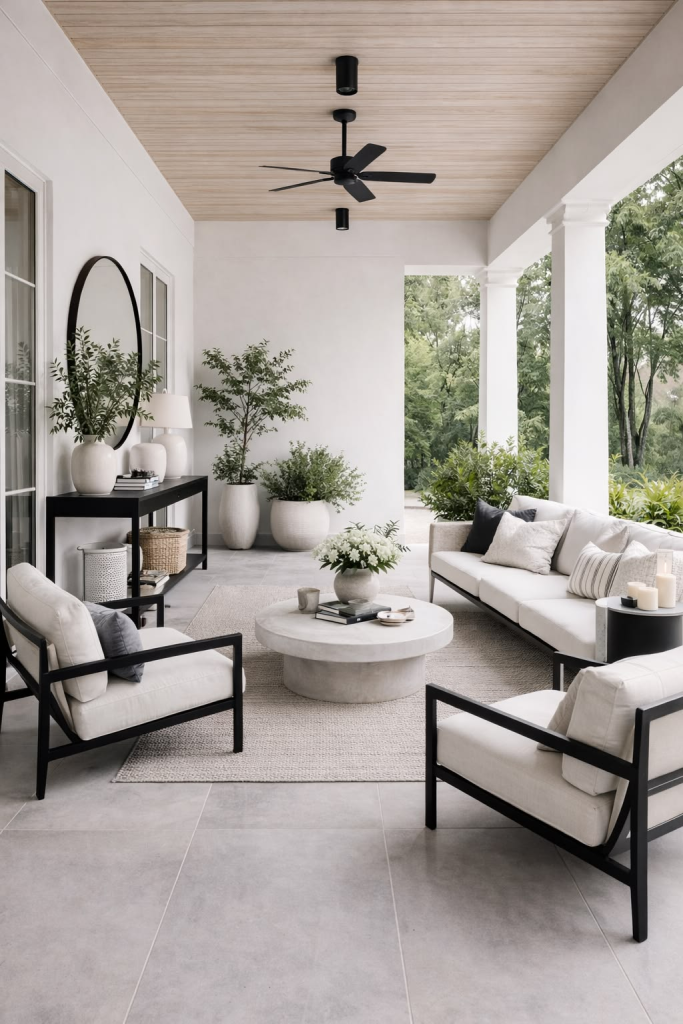
CREDIT: PINTEREST
1. Concrete: The Swiss Army Knife of Patio Materials
What It Is: Concrete is essentially a mix of cement, sand, gravel (aggregate), and water that hardens into a stone-like slab. In plain terms, it’s a man-made rock. Concrete has earned a reputation as the “Swiss Army knife” of patio materials because of its versatility and strength.
Why It Works: Concrete is budget-friendly, highly adaptable, and easy to customize. Per square foot, a basic concrete patio often costs less than natural stone or brick, making it a great choice for homeowners on a budget. Despite the lower cost, you get a durable, long-lasting surface. When properly mixed and cured, concrete can easily last decades without major issues. It’s also very adaptable to different shapes and sizes, you can pour concrete to fit any patio layout, from a small backdoor stoop to an expansive pool deck. In short, few patio materials offer the same bang-for-buck versatility as concrete.
Design Options: One big advantage of concrete is the range of finishes available:
- Smooth Trowel Finish: This results in a sleek, smooth surface (often used for modern designs or interior floors). It’s achieved by troweling the surface as the concrete sets, and can even be polished to a sheen. Smooth finishes look clean but can be slippery when wet, so they’re better for covered patios or areas without heavy rain exposure.
- Brushed or Broom Finish: By dragging a stiff broom over the surface, contractors create subtle grooves that add texture. Broom-finished concrete is slip-resistant and great for high-traffic outdoor areas or poolside patios. It’s a simple finish (often the default) that provides grip and hides minor imperfections.
- Stamped or Patterned Concrete: This is where concrete really shines in mimicry. While still wet, the surface can be stamped with molds to resemble brick, slate, flagstone, wood planks, or many other patterns. Stamped concrete can give you the upscale look of natural stone or pavers without the labor of laying individual units. The pattern options are endless, from cobblestone streets to ashlar slate to even whimsical textures. Stamped concrete is often colored as well to enhance the illusion (for example, a terra cotta color to mimic clay tile). It’s a favorite for homeowners who want a customized look. Do keep in mind stamped surfaces should be sealed and resealed periodically to maintain their color and protect against wear.
- Colored Concrete: Beyond surface patterns, the concrete itself can be colored integrally or topically stained. Integral color involves mixing pigments into the wet concrete for a uniform hue throughout. Stains and dyes can be applied after curing to add rich tones or even variegated, natural-looking color effects. From earthy reds and tans to slate gray or even blue-tinted concrete, color adds visual interest to what used to be just a boring gray slab.
- Exposed Aggregate: This finish exposes the pebbles or decorative aggregate within the concrete by washing off the top layer of cement paste before it fully hardens. The result is a textured, gravel-like surface that provides excellent grip and an interesting speckled look. Exposed aggregate patios have a natural, slip-resistant surface because you’re literally walking on the stone pieces in the mix. It’s a timeless finish, popular in mid-century designs, and great for a decorative effect.
Best For: Homeowners who want a low-maintenance, versatile patio material at a good price point. Concrete works with many architectural styles depending on the finish, a smooth or geometric stamped pattern fits a modern home, while a brick-pattern stamp or exposed aggregate complements traditional homes. It’s also ideal if you have an irregular patio shape or curved design, since poured concrete will conform to your forms. If you’re looking for an affordable “blank slate” that can take on almost any look, concrete is hard to beat.
Maintenance: To keep concrete looking its best, minimal upkeep is required, another reason it’s popular. We recommend washing it down periodically and sealing the surface every few years for added protection. Sealing is especially important for stamped or colored concrete to prevent color fade and for any concrete in freeze-thaw climates to keep water from soaking in. A quality sealer will enhance color, repel stains, and help mitigate surface wear. Also, be mindful of cracks: concrete will develop hairline cracks over time (that’s normal due to shrinkage and settling). Proper installation with control joints will manage cracking, but if a larger crack or settling occurs, it can be patched or resurfaced. Fortunately, a well-installed concrete patio with proper base prep and expansion joints can last 30+ years with basic care. Pro Tip: At MGS, we always tell homeowners that a little maintenance upfront (like sealing every 2–3 years) dramatically extends the life and appearance of a concrete patio. A weekend of DIY sealing every couple of years is a small price to pay to keep your patio in top shape.
Summary: Concrete is truly the workhorse of patio materials, it’s affordable, durable, and endlessly adaptable. From a plain broom-finished slab to concrete that masquerades as flagstone or brick, you have lots of creative freedom. Just remember that while concrete patios are solid sheets, they can be prone to cracking in harsh climates. In regions with deep winter freezes, some homeowners prefer pavers or brick (which have joints that allow movement). We’ll cover those next. But if you start with a good installer, concrete’s combination of cost, customizability, and strength make it a first-class choice for many patios.
2. Brick: Classic Charm Meets Durability
Timeless Appeal: There’s a reason many historic homes boast brick patios and walkways, brick exudes classic charm. If you love a patio material that brings warmth and a sense of tradition, brick is an excellent option. Bricks (typically made of fired clay) have been used in hardscaping for centuries. A brick patio immediately gives off an inviting, old-world vibe that complements Colonial, farmhouse, and traditional-style homes perfectly. The rich, reddish tones of natural clay brick add warmth to any outdoor setting, creating an ambiance that poured concrete often can’t match. Each brick has slight color variations that deepen with age, so a brick patio patinas beautifully over time.
Durability: Don’t let the old-world charm fool you, brick is tough. High-quality clay brick pavers are fired at high temperatures, making them extremely strong (often exceeding 8,000-10,000 psi compressive strength). A properly installed brick patio can literally last for decades or even generations. (Fun fact: Americans have used clay bricks since colonial days, and some brick pavements from over 200 years ago are still intact!) Bricks are hard, weather-resistant, and won’t fade over time, the color is natural all the way through the brick, so it stays true even after years of sun exposure. Unlike concrete, brick pavers typically don’t need sealing or frequent maintenance, they maintain their color and integrity with minimal care. This makes brick a low-maintenance patio material. Just give it a simple sweep or occasional pressure wash to remove dirt or moss, and it’s good to go.
Texture and Safety: Brick’s texture is naturally somewhat rough and porous, which actually provides a nice grippy surface underfoot. Even when wet, brick is not as slick as some glazed tiles or sealed concrete, so it’s a safe choice for patios and paths (though ice can of course make anything slippery). The slight irregularities in brick also lend a human-scale texture that’s visually appealing, it breaks up space with shadow lines and pattern. If you live in a rainy area, you’ll appreciate that brick’s surface and sand-filled joints help water drain and prevent puddling. It’s also comfortable for furniture, the surface is flat enough for tables and chairs to sit evenly (any wobble can often be fixed by adjusting the sand under one brick).
Design Options, Patterns: One of the joys of a brick patio is choosing a pattern. Standard brick pavers are rectangular (often about 4” x 8”) and can be laid in a variety of attractive patterns:
- Herringbone: A classic 45° or 90° herringbone pattern (zig-zagging bricks) is not only beautiful and timeless, but also structurally robust. Herringbone is actually the strongest way to lay brick, as the interlocking zig-zag provides maximum resistance to shifting. This pattern is great for high-traffic areas or driveways, but equally lovely on patios.
- Running Bond (Stretcher Bond): This is the simplest pattern, bricks laid end to end in offset rows (like typical brick wall coursing). It creates clean, linear lines that can make a space feel larger or draw the eye in a particular direction. Running bond is straightforward and works well for rectangular patios.
- Basketweave: Pairs of bricks are laid to form a checkerboard woven pattern (two horizontal, then two vertical, alternating). Basketweave has a quaint, cottage-like feel, it’s decorative and charming, perfect for smaller patios or courtyards. It’s also easier to lay since many bricks end up aligned, forming square motifs.
- Jack-on-Jack (Grid): Bricks aligned in a simple grid (both vertical and horizontal lines aligned). This is less common for entire patios (since any slight misalignment stands out and bricks can shift), but it’s sometimes used within a bordered frame or for soldier course edges. It gives a very orderly, formal look.
- Circular or Radial Patterns: Using wedge-shaped bricks or cutting bricks to radiate from a center point can create eye-catching circular designs or medallions (often around a fire pit or focal point). These require more skill to lay out, but can be stunning.
- Borders and Accents: You can also mix brick with other materials or use a different brick orientation for border courses. For instance, a common technique is a soldier course (bricks laid upright lengthwise) bordering a field of herringbone or running bond. Brick of a contrasting color can be used to create a frame or even inset patterns (like a double border, or diamond-shaped accents within a field of running bond). These little design touches personalize your brick patio.
Best For: Those who want a classic patio material with a warm, inviting look and proven longevity. Brick patios fit especially well with historic homes, Colonial or Victorian architecture, rustic farmhouse styles, and any design aiming for a timeless feel. If your home’s facade has brick or your garden has brick edging, a brick patio will tie the landscape together beautifully. Even on a more modern home, brick can add contrast and charm (perhaps using a simple pattern and neutral sand tones). Brick is also great for edging, you can edge a concrete or stone patio with a row of bricks to add character. Additionally, brick works nicely in combination with other materials: for example, a brick border around a flagstone area, or a brick path leading to a gravel patio. Its versatility and classic look make brick a perpetual favorite for outdoor living spaces.
Upkeep: As mentioned, brick is relatively low effort to maintain. Because the color is baked in and not just a surface layer, bricks won’t fade, even after decades of sun, the hue remains rich (in fact weathering often enhances the appeal). You won’t need to seal or paint a brick patio (unlike a wood deck or colored concrete). Weeds can sometimes sprout in the sand joints between bricks; using polymeric sand or a sand stabilizer can help lock joints and reduce this. If moss grows (in shady, damp areas), a light power wash or gentle scrubbing will clear it off. Occasionally, a brick might crack or spall (chip), if that happens, it’s easy to pop out the damaged brick and replace it with a new one, without disturbing the rest of the patio. This spot-repair advantage is something bricks share with pavers (and a big contrast to repairing a cracked concrete slab). A brick patio can truly last generations if built right, you might just have to top up joint sand or reset a few bricks over the years if settling occurs.
Summary: Brick offers the ideal blend of character and durability. With its warm tones, time-tested strength, and myriad pattern possibilities, it’s hard to go wrong with a brick patio. It remains one of the most durable patio materials, with authentic clay bricks often lasting 50+ years (many even a century or more) in service. Plus, brick’s natural color will never fade, those deep reds and earthy browns are baked in at 2000°F. If you want a patio that feels like it’s always been a part of your home (and will continue to be for years to come), brick might be your best bet. It’s an investment in a truly timeless outdoor space.
🪨 3. Flagstone: Organic Beauty with Built-In Grip
Natural, Irregular Beauty: Flagstone gives you that gorgeous, earthy look that only natural stone can provide. The term flagstone refers to many types of flat stone that are split into thin layers, commonly used for paving. These stones often have irregular shapes (think of a large jigsaw puzzle) and a slightly rough, textured surface. A flagstone patio instantly imparts a rustic, organic charm to your yard. Each stone is unique in color and shape, fitting together in an irregular mosaic. This irregularity is a big part of flagstone’s appeal, it looks very natural, as if your patio might have always been there as part of the landscape. If you’re aiming for a patio that blends into a garden, or you love a more informal style (like English cottage garden or southwestern desert vibe), flagstone is an excellent patio material choice.
Types of Flagstone: Flagstone isn’t one specific rock, but rather a category of layered sedimentary or metamorphic stones suitable for paving. Common types of flagstone used in patios include:
- Sandstone: A sedimentary rock that often comes in earthy browns, reds, or tans. It’s relatively soft but durable enough for patios, especially in arid climates. Arizona flagstone (a type of sandstone) is famous for its warm southwestern hues.
- Slate: A metamorphic rock that splits into smooth, flat sheets. Slate flagstone tends to be charcoal gray, black, or even greenish/purple, giving a cool-toned palette. It has a finer grain and can provide a more uniform texture. Great for a sophisticated look, but be careful in freeze-prone areas, some slate can flake if it repeatedly freezes and thaws (make sure to get high-quality slate rated for outdoor use).
- Bluestone: This is a type of sandstone (from the Northeast U.S.) known for its bluish-gray color. Bluestone is very popular for patios in the Mid-Atlantic and New England. It has a beautiful cool tone and can be cut uniform or irregular. Bluestone is quite durable and often used in more formal flagstone applications as well.
- Limestone: A sedimentary rock that can be flaggy. Colors are often light grays, blues, or buff. Limestone has a fine texture; some types are a bit softer. It gives a classic, understated look.
- Quartzite: A very hard metamorphic rock that was originally sandstone. Quartzite flagstone often has sparkling quartz pieces and comes in silver-gray or even mixes of gold and gray. It’s extremely durable and slip-resistant, a great choice for around pools or wetter areas.
- Travertine: Travertine is actually a type of limestone (often seen in tile form). In flagstone, travertine can come as irregular pavers; it’s an elegant creamy or tan color with a porous texture. It stays cool underfoot, so it’s popular for pool patios in hot climates (more on travertine later in cut stone section, since travertine is also sold cut in tiles).
- Others: There’s also phyllite (a shiny gray metamorphic stone similar to slate) and basalt in some regions. But the key point is, flagstone includes various stones, what they share is that they naturally split into flat pieces and make great, attractive patios.
When you select flagstone, you’ll often choose by color and stone type that’s local to your area (to save on shipping costs). For example, in Pennsylvania, Pennsylvania bluestone is a go-to; in the Southwest, Arizona sandstone in hues of red and orange is popular. Each type has its own character, but all provide that natural, one-of-a-kind look.
Why Homeowners Love It: The look and feel of flagstone is hard to beat if you want a “nature-inspired” patio. The stones have lovely color variations, from soft mossy greens to rich rust reds to cool slate blues, often all within the same piece. These variegated colors and irregular shapes mean no two flagstone patios are alike. Walking on flagstone feels like wandering a meandering garden path even if you’re just crossing your patio to the grill. The visual texture is high, lots of interest for the eye as the irregular joints create a puzzle-like pattern. Flagstone’s natural cleft surface also means it has built-in slip resistance. Traction is excellent, even when the stones are wet. That’s one reason flagstone is a top choice around pools or in rainy climates, the rough surface and subtle ridges of the stone give your feet something to grip onto. Unlike slick glazed tile, you won’t be skating across a flagstone patio after a storm. This makes flagstone a safe and practical option as well as a beautiful one.
Another perk: flagstone works in both informal and semi-formal designs. If you lay it in irregular, crazy-paver style with planting pockets, it gives a relaxed countryside feel. But flagstone can also be cut or selected for more uniform shapes (squares/rectangles) if you want a formal geometric layout, for example, a grid of cut bluestone for a contemporary design. We’ll talk more about cut stone later, but know that flagstone can adapt style-wise. It pairs wonderfully with greenery: you can plant groundcover (like thyme or sedum) in the gaps for a storybook effect, or surround a flagstone patio with perennials and it will look very natural.
Installation Considerations: One important thing to note about flagstone is thickness. Because these are natural stones, they come in varying thicknesses (typically from 1/2 inch up to 2+ inches). For a flagstone patio that’s set in sand or gravel (i.e. dry-laid flagstone), you generally want the stones to be at least 1.5 inches thick to avoid cracking. Thinner flagstones (1″ or less) can be used, but usually those should be mortared onto a concrete slab for stability. Thinner pieces without a solid base might wobble or break under weight. So, if you’re doing a DIY flagstone patio on a sand bed, spend a bit more to get thicker slabs (often sold as “patio grade” flagstone). They can handle foot traffic and slight ground movement better. Each piece can be heavy (a 2-inch thick flagstone slab can weigh over 100 lbs depending on size), so enlist help or professional installers for large stones.
Flagstone is typically laid either in sand or on a concrete/mortar base. Dry-laid (in sand) is common for that rustic look and better drainage, you’ll fill joints with sand or pea gravel or even plant between them. Mortared flagstone (stones cemented onto a concrete slab) gives a more permanent surface with tight joints (often filled with grout or mortar), better for a formal terrace look. Mortared installs cost more due to the extra concrete work, but they keep stones firmly in place. In freeze-thaw areas, a well-draining base in dry-laid flagstone can actually be advantageous (the flexible sand joints won’t crack like mortar might). However, mortar set is useful if you’re using thinner or more brittle stone, or you want zero movement. Consult with your contractor about the best method for your climate and stone choice.
Best For: Flagstone is ideal if you desire a natural or upscale look with lots of texture. It’s the go-to for many high-end landscapes and beloved for patios in lush garden settings. If your style leans towards rustic, English garden, Mediterranean, or southwestern, you’ll likely love flagstone. It’s also great around pools (like a tumbled travertine or sandstone) because of the slip resistance and the fact that many stones stay cool (travertine in particular stays cooler under the sun than concrete). Flagstone patios can also increase property value, natural stone is often seen as a premium material. The curb appeal of a flagstone walk or patio is significant.
Maintenance: Flagstone, being natural stone, is generally durable against the elements (after all, these stones have been in nature for thousands of years). Most flagstones are very weather-resistant, they won’t fade (the color is natural) and can handle heat and cold well. Some softer stones (like certain sandstones or slates) might flake or chip over time, but choosing a quality grade minimizes that. Maintenance involves occasional sweeping of debris and maybe power washing if moss or dirt accumulates. Because flagstone pieces are larger and irregular, weeds in joints can be less of an issue than in brick/paver patios (the gaps are bigger, so you might actually plant them intentionally, or use gravel that doesn’t support weeds well). If set in sand, you may need to refill joint material every so often as it settles or washes out. One advantage is that if a stone ever cracks or settles oddly, you can individually re-level or replace that piece without redoing the whole patio. No sealant is strictly required on most stones (unlike concrete, they don’t need it), but some homeowners choose to seal flagstone to bring out color or protect against stains (especially for dining areas or for softer stones). Be careful: a glossy sealant can make stone slippery, defeating one of its benefits, if you seal, use a breathable, matte, slip-resistant sealer specific for natural stone. Many people leave flagstone unsealed and let it weather naturally, it will still last for decades.
Summary: Flagstone offers an organic elegance that is hard to replicate. The combination of unique shapes, natural colors, and a grippy texture makes it one of the most beloved patio materials for those seeking a connection with nature in their outdoor living space. It is a bit more expensive (material-wise and labor-wise) than manufactured options, and it can be labor-intensive to install (each piece is like solving a puzzle). But the payoff is a truly one-of-a-kind patio that wows anyone who sees it. Whether arranged as a casual garden path or a grand dining terrace, flagstone provides a durable, beautiful surface that feels at home in the outdoors. As long as you ensure adequate stone thickness and a solid base, your flagstone patio will be a source of enjoyment for many years, offering both beauty and practicality underfoot.
4. Pavers: The Puzzle Pieces of Possibility
Modern Versatility: Concrete pavers (and similar interlocking pavers made from brick or stone) are like the LEGO blocks of patio design. They are manufactured units (often made of high-strength concrete) that come in a huge variety of shapes, sizes, and colors, which you piece together to form your patio’s surface. If you want the ultimate in design flexibility and a modern, clean look, pavers are an outstanding choice. They’ve surged in popularity over the last few decades as an alternative to plain concrete, offering a more upscale appearance while still being very practical. Pavers are modular, so you can create patterns ranging from uniform and sleek to intricate and artistic. And since they interlock with each other (usually with sand in the joints), no mortar is required for installation, meaning a paver patio is often a manageable DIY project for handy homeowners.
Lookalikes and Options: One of the coolest things about pavers is they can mimic other materials. Manufacturers produce pavers that resemble cobblestone, brick, cut stone, or tile. For instance, you can get concrete pavers molded to look like old European cobbles (with tumbled, weathered edges), or pavers that look like clay brick in running bond pattern, or even large-format paver “planks” that give a contemporary slab look. The surface textures vary too: some are perfectly smooth and square-edged for a crisp modern style, others have a rustic dimpled top and irregular edges for an old-world charm. Colors range from natural earth tones to grays, charcoals, tans, and even blends that emulate granite or flagstone color variations. This means you can achieve almost any design aesthetic with pavers, whether you want your patio to look like a quaint old stone courtyard or a sharp-edged modern grid. Design versatility is where pavers shine: you’re not limited by what nature provides (as with real stone) or what patterns you can stamp (as with concrete). Instead, you have an inventory of pieces and you decide the layout.
Patterns and Layouts: Pavers allow for all the classic patterns (herringbone, running bond, basketweave, etc.) and then some. Since they come in various shapes, you can even form curves or radial patterns that would be hard to do with brick. Common paver shapes include rectangular brick style, square blocks, and special interlocking shapes that create unique tessellations. You can mix sizes and colors to make mosaics or borders. For example, a popular modern design is a grid of large square pavers with small gravel or grass in between, which you can achieve by spacing square pavers in a checkerboard. Another idea: a circular paver kit can create a round design for a fire pit area. Pavers truly are like puzzle pieces, there are endless possibilities in how you arrange them, which is a dream for creative homeowners or designers. And if your vision changes, you can even rearrange or add on later (something impossible with a poured slab).
Interlocking Strength: Pavers are not just about looks; they are engineered for durability. Good concrete pavers are made to stand up to harsh weather and heavy use. They are pre-cured, so unlike a big concrete slab that might crack with ground movement, pavers have joints that allow flex. In cold climates with freeze-thaw cycles, pavers perform brilliantly, they “flex” with the freeze expansion, so you don’t get the large cracks you might in concrete. (This is why pavers are often used for driveways in cold regions, no ugly cracks, just small shifts that are easily fixed.) If a paver does crack or get damaged, it’s simple to replace just that one unit without tearing up the whole patio. Maintenance and repairs are thus very convenient.
Another plus: no concrete pouring or mortar means installation can be faster and not weather-dependent. Pavers are typically set on a compacted gravel base with sand, and then joint sand is swept and compacted into the gaps to interlock them. The friction of sand and the pattern prevents movement. Edge restraints (like plastic or concrete borders) are usually installed around the perimeter to keep everything tight. The result is a solid, stable surface that can handle heavy loads and constant use. In fact, many municipal sidewalks and streets use pavers now for ease of maintenance. For a patio, this means you get a professional, polished look that is built to last. High-quality concrete pavers often come with manufacturer warranties against cracking. They are designed to withstand thousands of pounds per square inch, so normal patio furniture and foot traffic are nothing for them.
Benefits Recap:
- Low Maintenance: Paver patios don’t need much upkeep. The color in concrete pavers is integrally mixed, so it doesn’t fade quickly (some slight lightening might occur over many years, but quality ones have oxide pigments that stay). They don’t require sealing (though you can seal to enhance color or protect from stains if desired). No need to repaint or restain anything. If weeds creep in the joints, a simple weed spray or refill of joint sand solves it. If a section settles, you can lift pavers, add sand, and relay them, try doing that with concrete or stone! It’s one of the most user-friendly patio materials long-term.
- Repairable: As mentioned, the ability to swap out a single paver is a huge plus. Crack a paver by accident (say, dropping a heavy grill part on it)? Pry it out and put a new one in, you’re done in 10 minutes. If underground work is needed (e.g., running a new gas line under the patio), you can pull up pavers and re-lay them after, no ugly patch needed. This modular repairability is a big advantage of pavers over monolithic surfaces.
- No Cure Time: Unlike concrete that needs to cure for several days, a paver patio is ready to use as soon as it’s laid and compacted. So the project timeline can be shorter.
- Permeability Options: Standard paver joints allow some water to seep into the ground, and there are also permeable pavers designed with wider spacer nibs to create larger drainage gaps. These are great for eco-friendly designs that let rainwater recharge soil (and can avoid drainage issues or puddles). You can fill gaps with small gravel for a fully permeable patio surface.
- Design Cohesion: Pavers can be matched to other landscape elements, many product lines have wall blocks, edgers, and steps that coordinate with the patio pavers for a unified look. If you want your patio, pathways, and even driveway to all tie together visually, pavers offer collections to do that.
Use Tips: Pavers are great for contemporary patios with clean lines and right angles, especially if you choose monochromatic colors like sleek gray or tan. They excel at creating an organized, tidy feel. But they’re equally at home in playful, creative layouts, e.g., a mixed-material patio where you infill a pattern with decorative gravel or a different paver color. One idea we love is using a contrasting paver as an inset rug pattern: for example, a field of rectangular pavers but with a square “rug” of different-colored pavers in the center under a dining table. Another use: steps and elevation changes, pavers can be used with retaining wall blocks to create beautiful built-in steps or raised patio edges.
If DIY-ing, pay extra attention to the base preparation, a well-compacted base is critical to avoid dips or weeds. Also, polymeric joint sand (which hardens slightly) can help lock pavers in place and prevent washout of sand. Remember edge restraints to keep the puzzle tight. With proper installation, a paver patio will stay smooth and safe.
Best For: Homeowners who want a combination of aesthetic flexibility and practicality. If you’re someone who likes a refined look but doesn’t want the maintenance hassles of wood or the crack risk of concrete, pavers are your friend. They particularly suit suburban and modern homes, pool decks, driveways, and anywhere you might need to access underground (since they can be lifted). Also, if your site has challenging soil that shifts, pavers can “go with the flow” much better than concrete. For environmentalists, permeable paver systems are attractive for managing runoff responsibly. In summary, pavers are a top-notch patio material when you desire a tailor-made design with enduring performance.
Maintenance: Very minimal. Sweep or blower to keep leaves off. Occasionally hose down or pressure wash if needed (they’re tough, you won’t hurt them if the nozzle isn’t too close). If you see ants or weeds exploiting the sand joints, consider re-sweeping with polymeric sand to seal those joints up. Every 5-10 years, you might refresh the joint sand if it erodes. If a paver sinks (perhaps due to heavy weight or erosion of base), you can lift that area, add base material, and relay, it will blend right in. Stains (from food, leaves, etc.) can be scrubbed or washed; unlike porous natural stone, concrete pavers are pretty stain-resistant, and you can always replace a badly stained unit if needed. Sealing pavers is optional, a sealer can deepen the color and add a bit of sheen, but it’s purely aesthetic unless you specifically need to protect against oil/grease (like in a driveway or outdoor kitchen area). Many people leave them unsealed for a natural look. All in all, pavers allow you to “set it and forget it”, just enjoy your patio without a long to-do list of upkeep.
5. Tile: Sleek and Stylish (But Tread Carefully)
If you’re envisioning a patio with a sleek, indoor-outdoor vibe, perhaps extending your interior flooring to the outside, then outdoor tile might be on your radar. Tiles can give a patio a refined, upscale look, think of a Mediterranean courtyard with terra-cotta tiles, or a modern terrace with large porcelain slabs. However, choosing tile for outdoor use requires careful consideration, as not all tiles are suited for exterior conditions. You’ll want to pick the right type of tile to ensure it holds up to weather and provides a safe surface. Here’s the scoop on using tile as a patio material:
Best Tile Choices for Outdoors:
- Porcelain Tile: Porcelain is a type of ceramic fired at very high temperatures, making it dense, hard, and non-porous. In fact, porcelain tiles have a very low water absorption rate (often < 0.5%), which means they won’t soak up moisture that could freeze and crack them in winter. This makes porcelain ideal for patios, especially in cold climates, always choose porcelain that is rated for outdoor use (sometimes labeled “frost-proof”). Porcelain tiles are available in countless styles. Many outdoor porcelains mimic natural stone or even wood planks, giving you a stylish look with extreme durability. They are also often made with textured surfaces or special anti-slip treatments for outdoor safety. Porcelain is also stain-resistant and easy to clean (it doesn’t absorb spills). Overall, if going with tile outside, porcelain is usually your best bet for longevity and performance.
- Quarry Tile: Despite the name, quarry tiles are not mined from quarries but are a form of unglazed clay tile, usually reddish-brown. They’re typically used in commercial kitchens or hard-wearing areas. For outdoors, quarry tile can be a solid option, it’s unglazed and textured, often offering good slip resistance. Quarry tiles are very dense and able to withstand freeze-thaw conditions well. They tend to come in earthy terra cotta tones and have a somewhat rustic look. If you’ve been to older patios or pool decks (or fast food restaurant floors), you might have seen quarry tile. They don’t provide as many design patterns (mostly squares or hexes), but they are durable and functional for outdoor flooring.
- Terracotta Tile: These are the classic clay tiles often associated with Spanish or Mediterranean patios, typically an orange-red color, rounded-edge “Saltillo” tiles from Mexico being a famous example. Terracotta (meaning “baked earth”) tiles are unglazed clay fired at lower temps, which makes them quite porous and softer. They deliver an unbeatable rustic charm and are wonderful in dry climates like Southern California, Arizona, etc. However, in wet or cold climates, traditional terracotta is riskier, it can absorb water and crack in freezing weather if not sealed. Also, unglazed terracotta can stain if not sealed. So, if you love this look and live somewhere with winter, be prepared for regular sealing and maintenance to protect them. In the right environment, though, terracotta tiles give a patio soul, that warm, earthy feel that transports you to a Spanish villa. They’re also fairly cool underfoot in hot sun, which is a plus in summer. Many homeowners use them in covered patio sections or sunrooms.
- Stone Tile (Cut Stone): We’ll detail cut stone in the next section, but note that tiles made of natural stone like slate, travertine, marble, etc., can also be used outdoors. They often come in square or rectangular tile formats. These need to be chosen carefully for slip resistance (a polished marble tile outside is a no-go, but a naturally cleft slate tile can work). Stone tiles often require sealing to prevent stains and weathering. This category overlaps with “cut stone” patios, so keep in mind stone tile is an option if you want real stone in a thinner format.
Tiles to Avoid Outdoors:
- Glazed Ceramic Wall/Floor Tiles: These are the typical shiny tiles you might use in a bathroom or kitchen. Avoid using standard indoor ceramic tiles outside. They are usually not designed to handle temperature extremes and their glazed surface becomes extremely slippery when wet. The last thing you want is a pretty patio that turns into a skating rink after a rain. Also, many indoor tiles aren’t rated for the stresses of freeze-thaw or heavy furniture and could crack more easily. Save the glossy tiles for accent walls or a tabletop, not the patio floor. If you really want a glazed look outdoors, look for tiles specifically marketed as outdoor-safe and slip-resistant (some porcelains have glazed looks but with micro-texture or “grip” finishes).
- Cheap Ceramic Tiles: Lower-quality ceramic tiles that aren’t porcelain can absorb more water. In an outdoor setting, moisture can seep in, then freeze, expand, and pop goes your tile surface. Always check the absorption rate and frost rating. If it doesn’t explicitly say outdoor or frost-proof, assume it’s not suitable.
- Anything Too Slick: Polished stone, high-gloss finishes, glass tile sheets, etc., should generally be avoided on horizontal walking surfaces outdoors unless you’re using them very selectively (like a small decorative inlay safely away from foot traffic). Safety first, you want some texture underfoot. Even matte tiles that are smooth can be hazardous when wet. Prioritize tiles that specifically mention slip resistance or have a high coefficient of friction, or plan to apply an anti-slip treatment.
Installation Notes: Tiles (whether ceramic, porcelain, or stone) will usually need to be installed over a concrete slab with thinset mortar, much like an indoor floor, and grouted. This is different from the sand-set methods used for pavers or brick. Outdoor tile work thus requires a stable, crack-free base and an installation by someone who knows how to ensure proper bonding and expansion joints. Because the grout lines are more susceptible to cracking from movement, an even better method is using a decoupling membrane (like Ditra or similar products) over the slab before tiling, this helps absorb some movement. Additionally, proper slope must be built into the slab or tile layer so water runs off (the standard is around 1/4″ drop per foot). Ponded water on tile can be both a slip issue and can deteriorate grout over time. Speaking of grout: use a grout rated for outdoor use (and consider darker grout colors that won’t show dirt or tannin stains as much). After installation, sealing the grout (and the tiles if they are porous stone or terracotta) will help prevent staining and moisture intrusion.
Maintenance: Outdoor tile patios can be fairly low-maintenance if you’ve chosen the right tile. Porcelain tiles, for instance, require almost no sealing and are easy to keep clean, just sweep and mop or hose down occasionally. They won’t mildew as easily as porous concrete. You may need to reseal grout lines every few years to keep them water-resistant, unless epoxy grout was used. For terracotta or natural stone tiles, you’ll likely need to seal on a schedule (possibly annually for terracotta, every few years for stone). This prevents staining (terracotta can absorb oils/spills like a sponge if unsealed) and reduces water absorption. In autumn, avoid letting wet leaves sit on tile for long periods, they can cause tannin stains especially on porous stone or light grout. If you notice any loose tiles or cracks in grout, fix them sooner rather than later to avoid water getting under and causing more issues (one perk of tile over a slab is that the tile itself is replaceable if needed, but if many pop off, you might have a substrate issue). Also, beware of using metal patio furniture on tile without pads; dragging metal chairs could scratch certain stone tiles or chip ceramic glaze. Use furniture feet protectors to be safe. In winter, standard caution: if you get ice, use a safe de-icer for concrete/tile (some chemicals can damage stone or tile surfaces; calcium magnesium acetate is one gentler option, or just use sand for traction).
Design Flair: Tile opens up a world of decorative possibilities. You can do mosaic designs, alternating colors, borders, even Spanish-style pattern tiles as accents. For example, a row of decorative Talavera tiles as a border around a field of plain terracotta can look stunning. Or a checkerboard of two tones of porcelain can play up a mid-century modern aesthetic. Large-format tiles (like 24”x24” or bigger) are very in style for modern patios, they create a seamless, expansive look (just ensure they are slip-resistant). The key with tile is to ensure form meets function: get the beauty and make sure it’s appropriate for outdoor use. When done right, a tiled patio feels like an outdoor extension of your living space, refined and comfortable.
Perfect for Mediterranean & Southwestern Styles: As noted, if your home design or personal taste leans toward Spanish Colonial, Mediterranean villa, or Southwestern adobe, tiles like terracotta or saltillo are almost iconic in those settings. Pair them with stucco walls, a wood pergola, and some colorful ceramics, and you’ve created an oasis. On the flip side, for ultramodern homes, large gray or ivory porcelain tiles can deliver that chic, minimalist look. Even some trendy urban outdoor spaces use wood-look porcelain planks to continue a hardwood floor look to the outside (very cool and requires zero wood upkeep!).
Cautionary Tale (literally): Tread carefully is our motto for tiles outdoors. They can be absolutely gorgeous but can present hazards if the wrong tile is used. We can’t stress enough: avoid high-gloss surfaces underfoot outside. It’s worth repeating that even some tiles marketed as “floor” tile might be too slick for outside if they have a polished finish. Always check slip ratings or go for a textured finish. Safety is part of quality, a patio you can’t confidently walk on in all weather isn’t adding enjoyment! If you ever find your tile patio is slippery, there are anti-slip treatments that etch a microtexture (for example, products by SlipDoctors). But it’s best to select a non-slip tile from the outset.
Summary: Tile as a patio material offers a world of style, from the sun-baked charm of terracotta to the clean elegance of porcelain. It’s a bit more demanding in terms of correct installation and product choice, but when done right, a tiled patio can be a showstopper. If you live in a mild climate or have a covered outdoor area, tiles can transform it into a truly inviting living space. Just remember the mantra: choose outdoor-rated tiles, focus on slip resistance, seal when needed, and enjoy the sophisticated ambiance that an outdoor tiled patio can bring.
6. Cut Stone: Refined and Formal Elegance
While flagstone gives a rustic irregular look, cut stone takes natural rock and cuts it into uniform shapes (usually squares or rectangles) to create a more formal paved surface. Think of a stately terrace with neat rows of bluish-gray stone tiles, or a classy patio with ivory travertine in a grid pattern, that’s cut stone paving. It’s sometimes called stone tile or dimensional stone. The look is high-end and elegant, perfect for those who want the beauty of natural stone but in a crisp, organized design.
What It Is: Cut stone generally starts as large slabs of natural rock (like limestone, sandstone, slate, etc.) which are then sawn or split into regular shapes: commonly 12”x12”, 18”x18”, 24”x24” squares, or various rectangles that might form an ashlar pattern. The thickness can vary, some cut stones are 1-1.5” thick and meant to be laid in mortar on concrete, while others are thicker (2”+) and can be dry-laid like flagstone. The surface of cut stone might be naturally cleft (textured) or honed (smooth but not polished) depending on the stone and desired look. The edges are usually sawn straight or sometimes tumbled for a softened edge. The result when laid is a beautiful pattern of consistent joints, offering a tailored look that flagstone can’t.
Popular Stone Types for Cut Paving:
- Bluestone (Thermal Bluestone): A favorite in the Northeast U.S., bluestone is a type of sandstone/quartzite that comes in blue-gray tones (and sometimes lilac or tan hues in “full-range” color). Thermal bluestone is cut and then given a heat-treated surface for texture (flame-textured). It’s often sold in dimensional sizes (e.g., multiples of 6”). Bluestone patios convey a classic East Coast elegance, you’ll see them at many fine homes. It’s durable in cold climates and has a nice slip-resistant texture.
- Slate: Cut slate tiles (often 12×12 or 16×16) can be used for a formal layout. Slate’s color variegation (charcoal, green, purple) gives interest. Make sure to use a slate that’s rated for outdoor use (some imported slates can be flaky). When done right, a slate tile patio looks very refined and smooth, almost like an indoor floor taken outside, but with rich coloring.
- Travertine: A type of limestone that is very popular for pool decks and patios, especially in warm regions. Travertine usually comes in light creams, golds, or silvery tones and often has a naturally pitted surface (which is filled or left unfilled). It’s commonly cut into rectangles like 8×16” or squares. Travertine is valued for its cool-touch surface (it doesn’t get as hot on bare feet) and its upscale look, many luxury poolsides use travertine pavers or tiles. It does need sealing to avoid stains (being limestone).
- Limestone: Aside from travertine, other limestones like Indiana limestone (buff color) or Texas limestone are used in cut form. They tend to be consistent in color (beige, gray) and give a formal appearance. Limestone is usually honed or lightly textured. It’s not as hard as some stones, so it might show wear over many years, but it ages gracefully.
- Granite: Granite pavers or tiles are extremely durable and can be polished or thermal-textured. Polished granite outside can be slippery, so usually a flamed (rough) finish is used for patios. Granite comes in many colors (gray, pink, black, etc.) and gives a very upscale, clean look. It’s more common in commercial plazas but can certainly be used residentially if you want that smooth, contemporary stone look with top durability. Granite is very strong and resists scratching, but it’s expensive in large formats.
- Marble: Occasionally used outdoors in warm, non-freezing climates. Marble is beautiful (whites, grays, etc.) but can be slippery and prone to staining or weathering in acid rain. It’s more porous than granite. Often you see marble in covered outdoor areas or climates like the Mediterranean where freezing isn’t an issue. It gives a truly luxurious feel, but one must maintain it (sealants, careful with acidic spills like wine or citrus, as marble can etch).
- Phyllite: This was mentioned earlier, phyllite is like a shiny slate. Some high-end projects use phyllite slabs for a distinctive silvery-gray patio. It’s durable and inert, with a slightly metallic sheen in sunlight. It’s still relatively uncommon, but it’s an example of a unique stone that can be cut for patios.
- Sandstone: Various sandstones around the world are quarried and cut (Yorkstone in the UK, for example). Sandstone cut slabs offer a warm, naturally textured look. They might not be as dimensionally perfect as saw-cut granite, but they still achieve a pattern. Thickness and hardness vary, harder ones are great; softer ones might wear.
Why It Works: Cut stone gives you the natural beauty and prestige of real stone combined with a structured pattern that can complement formal architecture or design symmetry. If your home has a formal layout or you desire an entertaining area that feels like a fancy patio at a resort, cut stone can deliver that vibe. The clean lines of the stones and uniform joints often make the space feel organized and elegant. Imagine a square patio with equal-sized stone tiles laid in a grid, perhaps with a decorative fountain or symmetrical furniture layout, that’s the kind of refinement cut stone supports. It’s common in Georgian, French, or modern luxury home designs. Cut stone can also be used to create patterns like random ashlar (different sized rectangles fitted in a repeating pattern) for a more interesting but still orderly design.
Cut stone patios often have tighter joints (if mortared) than flagstone, giving a smoother continuity. With sand-set cut stone (if stones are thicker and set like pavers), you’ll have joints similar to pavers. Either way, the effect is upscale. People often remark that natural stone (whether flagstone or cut) has a “richness” and authenticity that man-made materials try to imitate. With cut stone, you get that richness plus a tailored fit.
Pro Tip: Cut stone works beautifully for symmetrical patio designs. For instance, if you have a rectangular courtyard, using square cut stones in a grid emphasizes the geometry and can align with other elements (like a centered fire pit or equal garden beds on sides). It also pairs well with brick or cobble borders, a common high-end look is a cut bluestone patio bordered by a row of brick or Belgian block, marrying formal stone with a touch of traditional detail.
Installation: If the stones are 1-1.5” thick, they likely need to be mortared on a concrete slab (similarly to tile). Thicker cut stones (like 2” thick “paver” versions of the stone) can be laid on sand/gravel like interlocking pavers. Mortared installations will have grout lines, which can be made to blend (using a color that matches the stone) or contrast (white grout with gray stone for example). One must ensure proper expansion joints in the slab and that the grout is sealed if it’s a large expanse (to prevent cracking or water entry). Dry-laid installations should ensure each stone is well bedded and level with its neighbors to avoid trip edges. Precisely cut stone can have very tight joints, but outdoors it’s wise to leave a bit of gap for sand or grout so that slight size variations don’t cause unevenness. Professional stone setters often use spacers to keep pattern alignment. As with any natural stone, each piece is unique, expect color and pattern variation, that’s part of the charm. When the pallet of stone arrives, a good installer will lay out pieces and arrange them in an aesthetically pleasing way before permanently setting them.
Maintenance: Similar to flagstone and tile. You’ll likely want to seal many cut stones, especially more porous ones like travertine or limestone, to guard against stains (and in the case of limestone/marble, to reduce water penetration that could cause freeze issues). Some stones, like high-density bluestone or granite, may not need sealing for durability, but a sealer can help prevent any slight flaking and make cleaning easier. If mortared, the grout should be sealed to prevent moisture infiltration (water expanding in grout can cause cracks). Sweep debris off to avoid scratches (granite can take it, but softer stones might scratch if dragged over by grit). Generally, though, cut stone is high-end and built to last, bluestone and granite, for example, will look great for decades with almost no issues, aside from the stone developing a patina. If a stone is somehow damaged, it’s a bigger task to replace since they’re usually mortared down, but the need is rare. Often, maintenance is more about keeping it clean: removing leaves, occasional power washing to brighten it up, and re-sealing every few years if you want it to stay pristine.
One thing to watch: lighter stones (like some limestones or light granites) can show dirt or algae more, so a yearly gentle wash might be in order if you get green growth in shady damp areas. Also, if you have metal furniture, put protectors on the feet, rust stains can occur on light stone if metal stays wet on it. These can usually be cleaned with special poultices, but prevention is easier.
Why It Impresses: Cut stone is often seen as a luxury choice for patios. It tends to be more expensive (both material and labor) than, say, concrete or standard pavers, but it can elevate the look of a home significantly. It’s an investment in quality and aesthetics. When a prospective buyer (or your guests) see a yard with a well-done cut stone patio, it exudes sophistication. For those who want their outdoor space to feel like an extension of an elegant interior or a professionally designed landscape, cut stone is a top contender.
Summary: Cut stone patios offer a refined elegance that blends the beauty of natural stone with the pleasing order of a planned pattern. Stones like slate, bluestone, and travertine in cut form create outdoor floors that are both visually striking and harmoniously structured. This is the kind of patio material that graces magazine spreads and high-end homes, but it’s attainable for many homeowners who prioritize long-term value and design impact. It is equally at home in formal gardens as in contemporary backyards. If you envision your patio as a gracious, polished entertaining area (perhaps with a pergola, an outdoor kitchen, or a lovely view), dimensional cut stone could be the foundation that ties it all together in style.
7. Loose Materials: Eco-Friendly and Budget-Conscious
Not every great patio needs to be a solid, hard surface. Loose materials, like gravel, crushed stone, or organic mulch, can be used to create informal, naturalistic patios that are easy on the budget and on the environment. These materials are essentially ground covers that you confine to a patio area to form a pleasing surface to walk, sit, and entertain on. They won’t be the right choice for everyone (especially if you need a very stable surface for lots of furniture or heavy use), but for casual, low-traffic zones, loose material patios are worth considering. They offer a different aesthetic, often very charming and relaxed, and come with some unique advantages. Let’s look at common options:
Popular Loose Patio Materials:
- Pea Gravel: These are small rounded pebbles, usually 1/4″ to 1/2″ in diameter, often in mixed earthy colors (tans, grays, white, brown). The stones are about the size of peas (hence the name). Pea gravel is beloved for its soft feel underfoot and its visually appealing texture. It’s like walking on a beach sans sand. It’s commonly used for patios, pathways, and seating areas. Pea gravel is very affordable and widely available, making it a go-to for budget patios. It’s also one of the easiest materials to install, essentially, you create a border, lay some landscape fabric for weed control, and pour in the gravel. Another big plus: pea gravel drains extremely well (no puddles, water just soaks through to the ground), which is great if you have drainage concerns. The look works for cottage gardens, modern landscapes (with the right edging), and anywhere you want a casual, rustic feel. Keep in mind it’s loose, so chairs might settle in a bit, and it will move around underfoot. We’ll talk about mitigating that below.
- Crushed Stone (Decomposed Granite, etc.): This category includes angular gravels like limestone chips, decomposed granite (DG), or other crushed rock (often 1/4″ minus, meaning it has fines mixed in). Unlike pea gravel’s smooth shape, crushed stone is angular and packs down more firmly. Decomposed granite, for example, is a popular material in the West, it’s a reddish-tan crushed granite that, when moistened and compacted, forms a firm surface that still has permeability. Crushed stone gives a more stable surface than pea gravel and is better for high-traffic areas or if you want to place heavier furniture (the angular pieces lock together somewhat). It also has a different look, DG, for instance, gives a uniform sandy appearance (think of pathways in parks). Crushed limestone gravel might look similar to pea gravel but with more sharp edges and a more muted color palette. These materials are also inexpensive. A stabilizer can be used for DG to make it almost like a natural asphalt (binding it so it’s firmer underfoot).
- Bark Mulch or Wood Chips: Some patios, especially those in shady, woodland settings or children’s play areas, might use natural bark or wood mulch as the surface. It’s soft to walk on and has a very informal look (like forest floor). It’s definitely not for fancy entertaining spaces, but for a quiet bench in a corner or a budget play space it works. Mulch is super cheap or even free (if you use arborist wood chips). It also absorbs rain and slowly releases it, which is good for nearby plantings. Downside: it decomposes over time (you’ll need to replenish it every year or two) and can get soggy. Also, not great for furniture legs as they may become unstable on soft mulch.
- Sand: An old-world option for patios (think of pétanque courts or some Zen gardens). Sand can feel nice, like a beachy patio, and is cheap. However, it scatters easily and cats might treat it as a giant litter box (a consideration!). These days sand alone is not too common except in specific designs (like under a set of pavers for a Moroccan vibe, or a sandbox area). Sand is more often used as a base for pavers rather than the finished surface. But a sand patio could be a deliberate design (perhaps with larger stones or pavers set within it for stability). Keep in mind, sand will cling to shoes and get everywhere.
- Mixed Small Stones: There are also pea-gravel sized crushed stones that are angular (like 3/8” chip gravel). These can be a middle ground between pea gravel and DG, they are loose but a bit more stable due to the edges. Some come in interesting colors (blue-gray trap rock, white marble chips, etc.), so you can achieve different looks. White marble chips, for example, create a bright, reflective ground (but can glare in sun). River rock (larger pebbles 1-3”) can be used decoratively but is not comfortable for a floor surface, best kept to borders or dry creek beds.
Advantages of Loose Materials:
- Cost-Effective: You really can’t beat loose fill for cost. Even high-end gravel will cost a fraction of flagstone or pavers per square foot. And if you have a large area to cover, the savings are substantial. Plus, you save on labor if you install yourself (which is quite feasible).
- Easy to Install: No need for concrete mixers or special skills, just clear the area, lay landscape fabric (to reduce weeds), set your edging, and pour the material. Rake it out and you have a patio. It’s a very DIY-friendly option. And no lengthy construction timeline, you could create a simple gravel patio in a day or a weekend.
- Permeable & Eco-Friendly: Loose material patios are permeable, meaning rainwater goes right through to the soil beneath. This is great for preventing runoff and allowing groundwater recharge. In an era of eco-conscious design, permeable patios help reduce strain on stormwater systems and minimize erosion. Many sustainable landscape designs incorporate permeable paving for this reason. Also, materials like gravel and mulch are natural or naturally derived, there’s no energy-intensive manufacturing like with concrete or brick. So the carbon footprint can be lower. Using local stone or recycled aggregates makes it even greener.
- Natural Look: A patio made of pea gravel or DG often blends into the landscape more softly than a hard patio. You don’t have a big solid visual block; instead, you have texture that plants and landscape elements transition into nicely. If you want a patio that doesn’t look too “built,” loose materials achieve that informal, organically integrated look.
- Cooler Underfoot: Solid surfaces like concrete or stone can get quite hot in direct sun. Gravel and mulch surfaces tend to stay cooler (the air gaps and lighter color of many gravels help). They won’t scorch your bare feet the way a dark paver might on a July afternoon.
- Easy to Change: Want to enlarge the patio or reshape it? Easy, just add more border and gravel. Want to revert the area to lawn or garden? Rake up the gravel (you can even reuse it elsewhere) and you’re done. There’s a lot of flexibility with a loose material patio, which is nice if you’re the type who likes to evolve your landscape over time.
Design Insights: Ideal uses of loose material patios include:
- Outdoor lounge areas with an eclectic, bohemian vibe. Picture some Adirondack chairs on a gravel circle under a tree with string lights above, very inviting.
- Between stepping stones: You can combine gravel with pavers or flagstone. For instance, large square concrete pavers spaced a few inches apart with gravel filling the gaps makes for a modern, sophisticated look that’s still permeable and softer than an all-concrete patio. The gravel breaks up the expanse and adds contrast.
- Secondary spaces: If you have a main patio but also want a secondary seating nook or fire pit area, doing that smaller area in gravel can differentiate it and save cost. Define it with a border and maybe add a bench or portable fire bowl.
- Zen or meditation gardens: Fine gravel or crushed granite can be used in a Japanese rock garden style space. You can even rake patterns into it (though foot traffic will disturb them).
- Play areas: As mentioned, mulch or even pea gravel (some playgrounds use pea gravel as a safe surface) can be used under swing sets or in kid zones. It’s forgiving if someone falls. Just use larger pebbles (pea gravel) for very small kids to avoid choking hazards.
Important Considerations: Loose material patios do come with some cons to be aware of. They are not as stable or as level as hard patios. Chair and table legs might sink in a bit or wobble on gravel, using furniture with broader legs or adding some flat stepping stones for furniture legs can help. High heels will sink in (so it’s less ideal if you frequently host formal parties with well-dressed guests!). You also will get some scatter, gravel can end up in your lawn or paths if not edged properly. Using a good edging (like metal, plastic, stone borders) is crucial to keep things in place. And even then, a bit will migrate over time; you may need to rake it back or top it up occasionally. Weeds can still sneak in, though fabric below reduces that. You might find yourself pulling a weed here or there that germinates in blown-in dirt on the gravel. Also, you can’t easily shovel snow on a gravel patio without scooping up gravel. If you live in a snowy area, know that removing snow from a loose patio is tricky, many people just let it melt (or use a leaf blower for light powder).
Maintenance: For gravel or DG patios, maintenance is mostly raking to smooth and re-level the surface as needed. After heavy use or after a while, you might see some shallow impressions or trails where people walk most. Just rake it out and it’s like new. You might need to add a few bags of material each year to replenish any that’s lost to scatter or sinkage. For mulches, you’ll replenish more often as it breaks down. Check edging regularly to make sure it’s holding up and containing the material. If you get moss or algae (in shady damp gravel, that can happen), a light power wash or just turning the gravel with a rake can disrupt it. One trick for weeds is using a flame weeder (essentially a torch) to quickly zap any that pop up without chemicals. Because the area is loose, you can easily change or refresh things, some people even change gravel color after years for a new look (though that’s a lot of work to swap out). Generally, upkeep is easy and low-tech.
Budget & Eco Note: If you have an expansive area and not much money, loose materials let you create a usable patio where otherwise you might have just had dirt or patchy grass. It can be a temporary solution too, lay down gravel now, and maybe in 5 years when budget allows, you pave it. The gravel base would actually serve as a good sub-base for later pavers or stone. Also, because it’s not permanent, many municipalities don’t require permits for gravel patios, whereas a deck or concrete patio might. Environmentally, having more permeable surfaces on your property is usually positive. It also allows you to incorporate more plants around and even within the patio (think of creeping thyme edges next to gravel, lovely!).
Summary: Loose material patios (gravel, crushed stone, etc.) are an easy, affordable, and green way to create outdoor living space. They shine in casual, naturalistic designs and for secondary or low-traffic areas. While they aren’t as formal or firm as other patio materials, their simplicity and charm are hard to beat for the right application. If you appreciate the crunch of pea gravel underfoot, the idea of rain percolating right through your patio, and a laid-back aesthetic, then roll out that landscape fabric and pour yourself a gravel patio. It might be the fastest way to go from lawn to lounging!
Your Dream Patio Starts with the Right Foundation
Designing your dream patio is an exciting journey, and choosing the right patio materials is the cornerstone of that process. We’ve explored everything from the no-nonsense durability of concrete to the timeless charm of brick, from the rugged beauty of flagstone to the versatility of modern pavers, and beyond. The key takeaway? There is no one-size-fits-all answer, only the material (or mix of materials) that fits your needs and vision best.
Perhaps you’ve discovered that you love the idea of a low-maintenance paver patio with clean lines and easy upkeep, or maybe your heart is set on a flagstone terrace that feels like a natural extension of your garden. You might be dreaming of that red brick pattern that echoes the colonial architecture of your home, or maybe a creative combination, a solid cooking area of textured concrete with a surrounding border of pea gravel for contrast. Whatever clicked for you, you’re now armed with knowledge of the pros and cons, the look and feel, and the care each option involves.
A well-chosen patio material is more than just the ground beneath your feet; it’s the foundation of countless future memories. It’s where you’ll sip your morning coffee while listening to the birds, where your kids might take their first wobbly steps or draw chalk art, where you’ll host BBQs with friends on summer evenings, or relax by a fire pit on a crisp fall night. The patio, in essence, becomes an outdoor extension of your home’s living space, and getting the material right sets the stage for all those moments to unfold comfortably and beautifully.
As you embark on bringing your patio plans to life, remember that professional guidance can be invaluable. We at MGS Contracting Services are here to help translate your ideas into a solid plan and then into a tangible reality. From selecting the ideal materials and designing the layout, to handling permits and expertly installing with care, we love partnering with homeowners to create spaces that enhance their lives. We treat each project as if it were at our own home, ensuring quality at every step. Our goal is to not only meet your expectations but to knock them out of the park.
So, are you ready to design the perfect patio tailored to you? Let’s take that next step together. We’ll gladly provide a free consultation to discuss your ideas, offer suggestions, and give you a clear picture of what’s possible within your budget. Whether you have a complete vision or just a vague notion (“I know I want something nice out back!”), we’ll work with you to craft a patio that checks all your boxes.
Your dream patio truly does start with the right foundation, both the physical foundation under the pavers and the foundational decisions in planning. You’ve got a solid knowledge base now on patio materials; combine that with our expertise and you have a recipe for success.
Imagine next spring, stepping out onto a gorgeous new patio that feels just right, the texture, the color, the layout, all exactly as you hoped. That space is waiting to be created, and we’re excited to build it for you.
Contact us today to schedule your consultation, and let’s build something beautiful together. The outdoor oasis you’ve been dreaming of is within reach, and we can’t wait to make it a reality, so you can enjoy it for years and years to come. Here’s to great times ahead, out on the patio!
Thank you for reading our comprehensive guide. We hope it’s been educational and inspiring. When you’re ready to take the plunge, MGS Contracting Services is here to be your trusted partner in crafting the patio of your dreams. Let’s get started on creating your perfect outdoor living space!