Why So Many Homeowners Spend Money In The Wrong Places
If you’re thinking about selling in the next six to twenty-four months, you’re probably hearing a dozen different opinions on what to fix, what to replace, and what to ignore. That’s normal. What’s not normal is the way people start spending: they jump to the fun stuff first. They start shopping countertops before they’ve dealt with the slow drip under the sink. They price out designer pendants before they’ve addressed the room that still smells musty after every rain.
From a contractor’s point of view, Increasing Your Home’s Value rarely starts with the most exciting project in the house. It starts with the projects that create buyer confidence. And buyer confidence comes from three things that show up within the first few minutes of a showing: first impressions, functionality, and the feeling that the home has been consistently cared for. In other words, Increasing Your Home’s Value is often less about “how fancy” and more about “how solid.”
This lines up closely with what REALTORS® report seeing in the market: buyers have become more selective about condition, and REALTORS® commonly recommend practical steps before selling like painting and roofing because those upgrades reduce objections and increase confidence. The NAR and NARI Remodeling Impact Report also notes that Americans spent an estimated $603 billion in 2024 on remodeling, and that 46% of home buyers are less willing to compromise on the condition of the home when purchasing.
A Contractor’s Promise From MGS Contracting Services
I’m Chris Chapman, owner of MGS Contracting Services. We’re a licensed Class A Virginia contractor (license 2705178197), and we’re based in Leesburg, working throughout Loudoun County and Fairfax County. We help homeowners with remodeling and additions through a design-build approach. If we’re a good fit, you’ll feel it early: we’re heavy on planning, clear communication, and craftsmanship that holds up when life gets busy.
Here’s the promise behind this guide: I’m going to talk to you like a homeowner who wants straight answers. I’m not going to pretend every project “pays for itself.” The data doesn’t support that. In the Cost vs. Value research for common remodeling projects, some upgrades can recover far more than their cost on average, while others recover much less.
So the goal is not to chase trends. The goal is Increasing Your Home’s Value by choosing improvements that reduce buyer anxiety, improve daily function, and present the home like a well-maintained asset (not a weekend project someone needs to rescue). If you do that, Increasing Your Home’s Value becomes the natural outcome of smart sequencing.
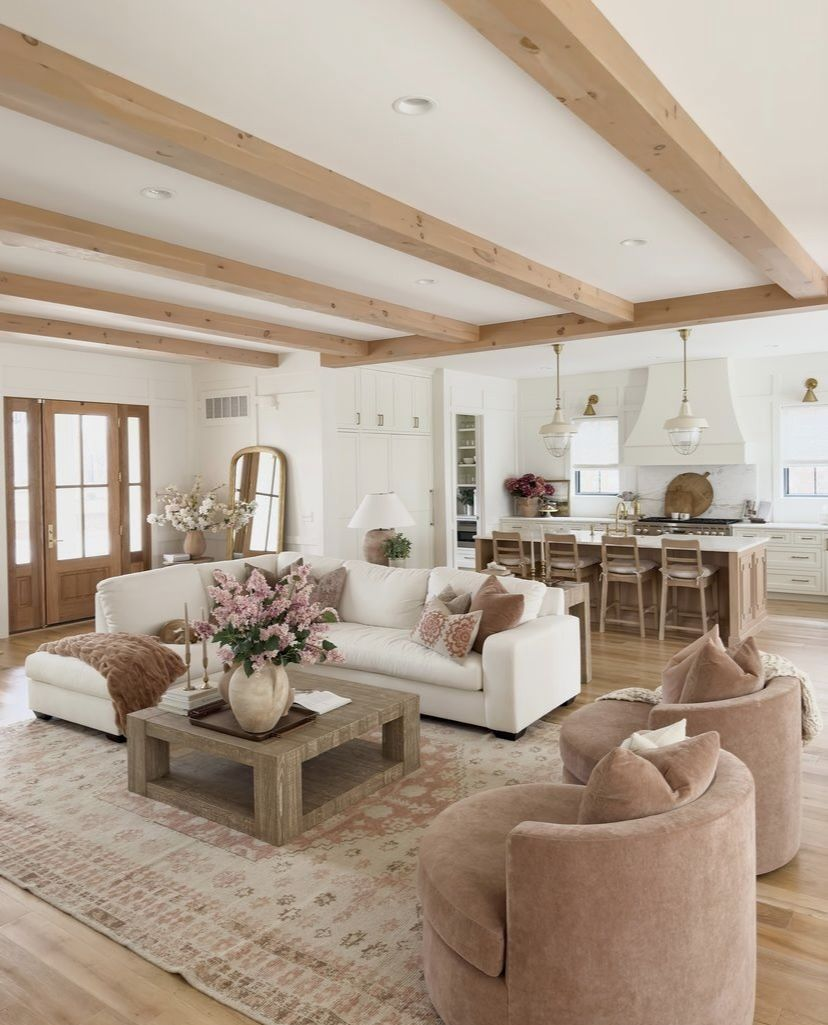
CREDIT: PINTEREST
The Five Categories That Move The Needle
Before we get into tips and budgets, let’s get your head in the right place. Most upgrades that truly affect price, offers, and negotiation leverage fall into five buckets:
Condition: fix what’s broken, unsafe, leaking, failing, or visibly worn.
Presentation: make the home clean, bright, calm, and easy to picture living in.
Efficiency: reduce utility waste and modernize the systems buyers worry about.
Function: improve the way spaces work, especially kitchens, bathrooms, storage, and flow.
Curb appeal: make the outside invite people in.
A quick note on the research you’ll see referenced here: one of the most-cited benchmarks in the remodeling world is the annual Cost vs. Value report. The 2025 edition compares average costs for 28 remodeling projects with the resale value those projects retain, across 119 U.S. markets. It’s not a promise for your exact neighborhood, but it’s a helpful reality check when you’re deciding whether to do “minor” improvements or go all-in on major work.
When you’re Increasing Your Home’s Value, you’re usually stacking small wins in these buckets until the house feels “move-in ready.” That’s why painting and cleaning show up again and again in what agents recommend, and why exterior replacements dominate many ROI lists.
Also, let’s clear up a myth: return on investment is only one kind of value. The Cost vs. Value analysis focuses on resale price impact, while other research looks at homeowner satisfaction and what makes people feel happier in their homes. Both matter. You can Increase Your Home’s Value and still make choices that improve your quality of life before you sell.
Now, let’s make this practical. Thirty tips. Real-world explanations. The goal is to help you spend money in the right places, in the right order, with realistic expectations.
Projects Under One Hundred Dollars
Tip 1: Spend An Hour With A Pro
Increasing Your Home’s Value starts with an outside set of eyes. If you’re close to selling, invite a local real estate agent to walk the home and point out what will matter on listing day. If you’re not selling immediately, you can also pay for an hour with a designer, a contractor, or a stager. The point is not to get a “Pinterest plan.” The point is to get clarity: what reads as dated, what reads as neglected, and what reads as a quick win.
When you’re Increasing Your Home’s Value, you want advice that’s tied to buyer behavior, not personal preference. REALTORS® consistently recommend “paint the entire home” and “paint one interior room” because it’s a relatively low-cost move that can change the entire feel of a space.
Take notes during that hour and walk away with three lists: must-fix items, nice-to-have improvements, and “do nothing” items. That’s how you stop guessing and keep Increasing Your Home’s Value without wasting money.
Tip 2: Inspect It Before Buyers Do
Increasing Your Home’s Value is not just cosmetic. In fact, one hidden issue can erase the impact of ten pretty upgrades. If a buyer’s inspector finds active leaks, electrical hazards, roof problems, or moisture damage, you’re not just paying to fix it. You’re paying the “trust tax” that shows up in negotiations.
In the NAR and NARI Remodeling Impact Report, REALTORS® note that buyers have become less willing to compromise on condition, and new roofing shows up as both a high-demand area and a common seller recommendation.
Even if you don’t order a full inspection today, you can do a hard self-audit: attic and basement check, look under sinks, check for slow drains, test every window, and document anything that needs attention. Being proactive is a quiet way of Increasing Your Home’s Value because it reduces surprises later.
Tip 3: Paint, Paint, Paint
Increasing Your Home’s Value loves fresh paint because paint is perception. Fresh paint makes a home feel cleaner, brighter, and more updated even when nothing else changed. The trick is choosing colors and finishes that help buyers mentally move in.
Zillow’s research has repeatedly shown that certain paint choices can influence buyer perception and even estimated sale prices, with some colors associated with higher offers and others associated with lower offers.
For resale, you don’t need to paint everything white. You need a consistent, calm palette that works with your floors and lighting. Prep matters more than most people realize: patch, sand, clean, prime where needed, cut clean lines, and let paint cure. Done right, paint is a straightforward lever for Increasing Your Home’s Value.
Tip 4: Find Inspiration With A Plan, Not A Spiral
Increasing Your Home’s Value does not require you to become an amateur designer with ten tabs open and a cart full of things you saw online at midnight. Inspiration is useful only if it turns into a coherent plan.
Start a simple folder (digital or physical). Save images that fit your home’s style and budget, then look for repeated patterns: similar cabinet colors, similar flooring tones, consistent hardware finishes, consistent lighting style. Consistency is what reads as “updated,” and inconsistency is what reads as “piecemeal.”
When you’re Increasing Your Home’s Value, you’re making the house easy to understand. Buyers don’t want to decode a hundred different design decisions. They want to feel calm and confident. If a design idea makes your home feel like a mashup, skip it and keep Increasing Your Home’s Value with simpler, cohesive choices.
Tip 5: Get A Home Energy Check
Increasing Your Home’s Value is often tied to comfort. Drafty rooms, hot upstairs bedrooms, and high utility bills are the kind of problems that make buyers hesitate even when the home looks nice.
The U.S. Department of Energy explains that a home energy assessment (often called an audit) helps you understand how your home uses energy, where it’s inefficient, and which fixes you should prioritize for comfort and savings.
A professional energy assessment can point you toward the fixes that make the biggest difference: sealing air leaks, improving insulation, addressing duct issues, and upgrading problem equipment strategically. When you prioritize comfort and efficiency like this, you’re quietly Increasing Your Home’s Value because buyers can feel the difference during a walkthrough.
Projects From One Hundred To Two Hundred Dollars
Tip 6: Plant A Tree With Purpose
Increasing Your Home’s Value can come from landscaping that matures over time, especially if you’re not selling tomorrow. But don’t plant randomly. Plant with intention: shade where it helps, visibility where curb appeal matters, and enough distance from the home to avoid future root and moisture issues.
The U.S. Department of Energy notes that a well-designed landscape can reduce heating and cooling costs, and that carefully positioned trees can save up to twenty-five percent of the energy a typical household uses.
That’s not just “nice.” It’s comfort, lower operating costs, and stronger curb appeal over time. When you make landscaping decisions like a homeowner and an investor, you’re Increasing Your Home’s Value in a way that continues compounding.
Tip 7: Choose Low-Maintenance Landscaping That Looks Intentional
Increasing Your Home’s Value is helped more by “maintained” than by “fancy.” Buyers don’t want to inherit a yard that needs daily attention. They want a yard that looks good, frames the house, and feels manageable.
A smart approach is to clean up beds, refresh mulch, trim shrubs to a clean shape, and choose region-friendly plants that don’t require constant babysitting. The Department of Energy emphasizes that landscaping strategies should be tailored to climate and location.
In Northern Virginia, where many buyers are busy professionals, simple, polished landscaping reads as “this house was cared for.” That feeling supports Increasing Your Home’s Value because it reduces the mental load for the next owner.
Tip 8: Add A Small Kitchen Luxury Buyers Notice
Increasing Your Home’s Value is often emotional, and the kitchen is where buyers make emotional decisions. You don’t need a full remodel to make a kitchen feel better. Sometimes one small upgrade changes the daily experience.
Consider a water filtration system or a better faucet. Why? These upgrades sit in the “small luxury” category: they make the house feel thoughtfully improved, even if the cabinets are older. A minor kitchen remodel remains one of the stronger interior performers in cost recovery data, which reinforces a simple truth: kitchens matter.
The key is to keep it cohesive. A small luxury works best when the surrounding area is clean, uncluttered, and properly lit. Do that, and you’re Increasing Your Home’s Value without needing a demo day.
Tip 9: Improve Indoor Air Quality The Way Buyers Feel Immediately
Increasing Your Home’s Value isn’t only visual. It’s also sensory. Some buyers won’t say it out loud, but they notice air quality the second they step inside. Stale air, lingering odors, and allergy triggers lower perceived value fast.
The EPA notes that understanding and controlling common indoor pollutants may help improve indoor air and reduce health risks, and that indoor pollutants can contribute to serious health concerns. EPA also notes that concentrations of many volatile organic compounds can be higher indoors—sometimes up to ten times higher than outdoors—so indoor air is not “automatically cleaner” just because you’re inside.
Carpets and rugs can also trap pollutants and allergens like dust mites, pet dander, mold spores, pesticides, dirt and dust.
Start with the basics: deep clean, change filters, clean vents, explore a dehumidifier if your home runs damp, and address obvious odor sources (pets, old carpet padding, moisture). This is a practical, human way of Increasing Your Home’s Value because it makes the home feel healthier.
Tip 10: Remove Dated Texture Features The Safe Way
Increasing Your Home’s Value can be as simple as removing one dated feature that makes the house feel stuck in another era. Popcorn ceilings are a classic example. But this one must come with a safety warning.
EPA guidance makes it clear: the only way to know whether a material contains asbestos is to have it tested by a qualified laboratory, and EPA recommends testing suspect materials if you plan a renovation that would disturb them. EPA also notes samples should be taken by a properly trained and accredited asbestos professional.
If your ceiling tests clear, removal can modernize a room quickly. If it doesn’t, you bring in the right professionals. Either way, you’re Increasing Your Home’s Value by eliminating a buyer objection without creating a health risk.
Projects From Two Hundred To Four Hundred Dollars
Tip 11: Clean Up The Lawn So The House Looks Maintained
Increasing Your Home’s Value starts at the curb. Overgrown grass, messy edges, and uncontrolled shrubs don’t just look bad. They signal neglect, and neglect triggers buyer skepticism.
If you can’t get it done yourself, hire a local service for a one-time cleanup. Think of this as “resetting the baseline” so your house looks cared for before anyone starts judging the inside. The Cost vs. Value research repeatedly shows that exterior appearance carries weight in ROI outcomes, which is consistent with what real estate professionals value in curb appeal.
Once the yard is clean, maintain it weekly. It’s hard to overstate how much this supports Increasing Your Home’s Value, because it shapes the first thirty seconds of the buyer’s experience.
Tip 12: Pay For A Deep Clean (Then Keep It That Way)
Increasing Your Home’s Value is supported by cleanliness more than by almost any décor choice. A clean home feels more expensive, more updated, and more cared for. And that “cared for” feeling is exactly what reduces negotiation leverage for buyers.
NAR research on staging and seller preparation shows agents commonly recommend decluttering, entire-home cleaning, and improving curb appeal before listing.
And while cleaning isn’t the same thing as staging, they’re closely related in the buyer’s mind: the home feels more “ready.” In NAR’s 2025 staging research, 19% of sellers’ agents reported that staging was associated with a 1% to 5% increase in the dollar value offered, and 10% reported a 6% to 10% increase.
A true deep clean includes baseboards, door frames, light switches, vents, window tracks, grout lines, and the places you don’t notice until a stranger walks in. Once it’s done, set a weekly reset routine. This is not glamorous, but it is powerful for Increasing Your Home’s Value because it changes perception instantly.
Increasing Your Home’s Value
Tip 13: Make The Home Feel Bigger Without Adding Square Footage
Increasing Your Home’s Value is influenced by “visual square footage.” It’s the difference between a home that feels open and a home that feels cramped, even if the measurements are identical.
Start with light: clean windows, remove heavy drapes, use consistent bulb color temperature, and add lamps where there are dark corners. Then declutter like you’re moving (because you might be soon). Decluttering is so consistently recommended by agents that it’s one of the top home improvement items listed in staging-related guidance.
Mirrors can help, but don’t overdo it. The goal is not “tricks.” The goal is ease. When a buyer can walk through without bumping into furniture and without feeling boxed in, you’re Increasing Your Home’s Value because the home feels more functional.
Increasing Your Home’s Value
Tip 14: Make Small Bathroom Updates With Big Buyer Impact
Increasing Your Home’s Value often improves when bathrooms feel cleaner and more current. Bathrooms show age fast, and buyers notice details in small spaces because they’re standing close to everything.
You can change the feel of a bathroom without gutting it: swap an old light fixture, update the mirror, replace a faucet, refresh caulk, deep-clean grout, and update towel bars and hardware so the finishes match. In the Remodeling Impact research, bathroom renovation shows up both as a commonly demanded remodeling area and as a project with a high homeowner “joy” score.
Small updates work best when the bathroom looks intentional. That means cohesive finishes and no half-finished corners. That’s a simple, practical way of Increasing Your Home’s Value.
Increasing Your Home’s Value
Tip 15: Replace Outdated Or Broken Fixtures That Scream “Maintenance Issue”
Increasing Your Home’s Value is hurt by small functional problems because they add up. A wobbly ceiling fan, flickering light, loose switch plate, broken exhaust fan, or outdated fixture isn’t just ugly. It’s a signal that the homeowner didn’t keep up with basics.
Fixing these things isn’t always expensive, but it makes the home feel steady. If you’re selling soon, buyers will assume every small issue is connected to a larger issue. Your job is to remove their excuses.
When you’re Increasing Your Home’s Value, focus on the fixtures people touch and use daily: bathroom fans, kitchen lights, entry lighting, hallway fixtures, and anything visibly failing. The goal is to leave the impression that everything works the way it should, which keeps Increasing Your Home’s Value on track.
Projects From Four Hundred To Seven Hundred Fifty Dollars
Tip 16: Create A Clear Before-And-After In A Bathroom
Increasing Your Home’s Value can jump quickly when one bathroom goes from “tired” to “fresh.” You don’t need luxury materials. You need the bathroom to look clean, bright, and current.
A coordinated mini-upgrade might include: a new vanity (or a vanity refresh), a new faucet, updated lighting, a modern mirror, and a durable floor option if the current floor is badly dated. If you do replace flooring, make sure transitions are clean and water protection is handled properly.
Research on remodeling outcomes shows bathrooms score high on homeowner happiness and remain areas of increased demand.
The point is not to “overbuild.” The point is to remove objections. That’s how a focused bathroom update supports Increasing Your Home’s Value.
Increasing Your Home’s Value
Tip 17: Make One Real Kitchen Upgrade Instead Of Five Random Ones
Increasing Your Home’s Value improves when the kitchen looks livable. Notice I did not say “luxury.” In fact, data often shows that modest kitchen updates can outperform major kitchen overhauls in cost recovery.
So choose one upgrade that changes the story of the room. Examples: replace a stained sink, upgrade to a quality faucet, install better lighting, or replace one outdated appliance that visually drags the whole kitchen down. Then clean and declutter like you’re preparing for photos.
Zillow’s paint-color research also suggests kitchen color choices can influence buyer perception and willingness to pay, which reinforces that small visual decisions inside the kitchen can have outsized effects.
One cohesive upgrade + a clean, bright kitchen is a smart formula for Increasing Your Home’s Value.
Tip 18: Replace The Worst Flooring First
Increasing Your Home’s Value dips when buyers see visibly worn carpet, stained rugs, peeling vinyl, or uneven transitions. Flooring is one of the first “condition signals” buyers notice. If it looks bad, they assume hidden problems.
If you can’t replace everything, start with the worst area: the room where the carpet is stained or the flooring is seriously scratched. Then make the rest look as clean and consistent as possible: deep clean carpets, repair transitions, and remove throw rugs that look worn.
Hard-surface floors are also easier to clean and don’t trap odors the way old carpet can. And because carpets can trap pollutants and allergens, replacing or cleaning flooring can affect how the home feels, not just how it looks.
That “feels clean” factor is a real contributor to Increasing Your Home’s Value.
Tip 19: Catch Up On The Little Repairs That Create “Neglect Math”
Increasing Your Home’s Value dies by a thousand paper cuts. One sticky door feels like nothing. Ten sticky doors feels like “this house has problems.” Buyers do the math fast, and they round up.
Make a list room by room: loose handles, chipped trim, cracked caulk, missing grout, nail pops, damaged screens, leaking faucets, squeaky hinges, and anything that doesn’t work smoothly. Fixing these items is not about perfection. It’s about removing doubt.
In staging and listing prep guidance, agents routinely recommend minor repairs alongside cleaning and decluttering.
If you want a simple rule: if it would bother you as a buyer, fix it. That’s the kind of discipline that keeps Increasing Your Home’s Value moving in the right direction.
Tip 20: Get Organized So The House Feels Calm And Functional
Increasing Your Home’s Value benefits from organization because storage is emotional. When buyers see clutter, they don’t think “this family has stuff.” They think “this house doesn’t have enough space.”
Organize the places buyers open: entry closets, coat closets, pantry, linen closets, and the garage if it’s visible. Add simple shelving or bins if needed, but don’t turn storage into a new hobby. The goal is to create breathing room.
Remember: decluttering is one of the most commonly recommended preparation steps, and it’s not because agents love minimalism. It’s because clutter makes homes feel smaller and more stressful.
If your home feels calm, it shows better in person and in photos, which supports Increasing Your Home’s Value.
Beyond The Budget Tiers: Expert-Level Moves, Reality Checks, And A Simple Plan
Tip 21: Fix Deferred Maintenance Before You Do Anything Pretty
Increasing Your Home’s Value is built on trust, and deferred maintenance destroys trust. If there’s a water stain, a musty basement corner, a roof that’s near end-of-life, or a system that’s unreliable, those issues will dominate buyer attention.
This is why roofing shows up in REALTOR® recommendations before selling and in lists of increased demand: it directly affects confidence.
Make the house solid first: stop active leaks, address moisture pathways, fix drainage issues, repair rot, and update anything that creates safety concerns. Cosmetic upgrades on top of unresolved problems are usually wasted money. When you handle the hard stuff first, you’re Increasing Your Home’s Value because you’re protecting the buyer from future headaches.
Tip 22: Upgrade The Front Entry Experience
Increasing Your Home’s Value starts at the front door, and this is one of the cheapest psychological wins available. Think of the entry as the “handshake” of the home. If it feels worn, dark, or neglected, buyers start mentally negotiating before they step inside.
A front door upgrade can also show real resale strength in published ROI data. In the 2025 Cost vs Value national averages, garage door replacement is listed at 268% cost recouped, and steel entry door replacement is listed at 216%. In the NAR and NARI Remodeling Impact Report cost-recovery chart, a new steel front door is shown at 100% cost recovery. You don’t need to obsess over the exact number; you just need to understand the message: a solid, modern entry reduces objections and increases confidence.
You don’t always need to replace the door, though. Sometimes you just need to paint it, refresh hardware, add better lighting, clean the threshold, and create a simple, welcoming moment. Done right, the entry supports Increasing Your Home’s Value because it sets a tone of quality.
Increasing Your Home’s Value
Tip 23: Improve Lighting Throughout The House
Increasing Your Home’s Value is strongly influenced by light. Dark homes feel smaller, older, and less inviting. Good lighting makes average finishes look better, and it makes rooms feel more usable.
Start with a lighting walk-through at night. Turn on every light. Note the dark spots, mismatched bulb colors, and outdated fixtures. Then fix the big offenders: entryways, hallways, kitchens, and bathrooms. If a bathroom is beautifully updated but poorly lit, it will still feel underwhelming.
Painting and lighting work together. That’s one reason painting shows up so consistently in REALTOR® recommendations and why simple presentation upgrades matter.
When you treat lighting like a system instead of random fixtures, you’re Increasing Your Home’s Value because the home feels more modern and more livable.
Tip 24: Refresh Caulk, Grout, And Trim Details
Increasing Your Home’s Value often comes down to details that buyers can’t always name, but they absolutely feel. Old caulk, cracked grout, dingy trim, and stained sealant tell a story of age and neglect.
This is one of the most overlooked “photo upgrades.” When grout is clean and caulk lines are fresh, bathrooms and kitchens photograph better. And in a world where most buyers start online, good photos matter.
Do the work carefully: remove failing caulk fully, clean and dry, apply new caulk smoothly, and let it cure. Regrout only where needed, and be honest about when tile issues require professional repair. When these details are clean, you’re Increasing Your Home’s Value because the home reads as maintained.
Tip 25: Modernize Hardware For A Cohesive, Current Look
Increasing Your Home’s Value is helped by visual consistency. Hardware is a small detail, but it’s repeated everywhere: doors, cabinets, vanities, closets. When finishes clash or look worn, the whole home feels less intentional.
Pick a finish that works with your home’s style and stick to it. In many homes, the most effective approach is to unify door hardware, update cabinet pulls in kitchens and baths, and replace the obvious outdated pieces. If you are selling soon, don’t choose something overly trendy. Choose something that looks clean and modern across a wide range of tastes.
This tip pairs well with painting and fixture updates because those are high-frequency touchpoints buyers notice. When you coordinate the small stuff, you’re Increasing Your Home’s Value by making the home feel thoughtfully updated.
Tip 26: Make Storage Feel Intentional, Not Accidental
Increasing Your Home’s Value improves when storage feels planned. Buyers love the idea of an organized pantry, a clean coat closet, and a garage that actually holds a car. They don’t love the idea of buying a home and immediately needing custom storage systems.
Start with the basics: add shelves where appropriate, use matching bins, label discreetly, and remove anything that feels like overflow. If you have a mudroom or entry area, create a simple drop zone so the home feels functional.
This is directly aligned with the research suggesting decluttering is one of the most common seller recommendations.
When storage feels intentional, the home feels easier to live in, which supports Increasing Your Home’s Value.
Tip 27: Put Function Ahead Of Fancy Finishes In Kitchens And Bathrooms
Increasing Your Home’s Value is not a contest to see who can pick the most expensive tile. Function wins. Buyers will forgive an older cabinet style faster than they forgive a kitchen that feels cramped or a bathroom that feels hard to use.
A quick example: a bathroom with good lighting, solid ventilation, functional storage, and clean finishes will often show better than a bathroom with a luxury tile choice but poor lighting and a weak fan. In kitchens, a clean layout and smart storage can make a modest remodel feel premium.
This is also why minor kitchen remodels can outperform major kitchen remodels in cost recovery data: the goal is often to make the kitchen livable and appealing to many buyers, not custom-built for one homeowner’s taste.
Prioritize the way the room works, and you’ll be Increasing Your Home’s Value with fewer regrets.
Tip 28: Don’t Ignore Energy Efficiency And Comfort
Increasing Your Home’s Value is connected to monthly ownership costs and day-to-day comfort. Buyers don’t just buy a house; they buy the bills and the comfort level.
ENERGY STAR reports that studies have found sale and re-sale price premiums ranging from two percent to eight percent in most markets for rated, energy-efficient homes, including ENERGY STAR certified homes.
That doesn’t mean every energy upgrade pays back equally. It means efficiency can be a marketable strength when it’s real and documented. Start with foundational upgrades: air sealing, insulation, ventilation, and systems that perform reliably. When your home feels comfortable and efficient, you’re Increasing Your Home’s Value because buyers believe they can move in without immediate operational headaches.
Tip 29: Think Like A Buyer, Not Like An Owner
Increasing Your Home’s Value requires doing something emotionally difficult: stepping outside your own taste. What you love might be exactly what a buyer hates, and that’s okay. The goal is not to erase personality; the goal is to avoid decisions that narrow your buyer pool.
Examples of value-killers: extreme colors in key rooms, overly specific themes, unusual fixtures that feel hard to maintain, and DIY work that looks DIY. Zillow’s research on paint colors is a good reminder that color choices influence buyer perception in measurable ways.
If you’re not sure whether something is “too much,” ask your agent or your contractor. When you keep the home broadly appealing, you’re Increasing Your Home’s Value because more buyers can picture living there.
Tip 30: Know When To Call A Contractor Instead Of Guessing
Increasing Your Home’s Value can be destroyed by well-intentioned DIY that goes sideways. Some projects are great for homeowners. Others are risky, code-sensitive, or expensive to undo.
Electrical, plumbing, structural changes, moisture remediation, and anything that affects safety should be approached carefully. This is also where licensing and accountability matter. MGS Contracting Services is a licensed Class A Virginia contractor, and we operate with a design-build process so homeowners aren’t juggling multiple vendors and hoping everything aligns.
If you want a simple decision rule: if a mistake could create water damage, electrical risk, or a failed inspection, it’s time to call a pro. The safest way to keep Increasing Your Home’s Value is to make sure the work will hold up to scrutiny.
Now, let’s tie it all together with a contractor reality check and a simple plan you can actually follow.
First, a reality check: not every “big” renovation creates big cost recovery. In the 2025 Cost vs Value national averages, a minor kitchen remodel (midrange) is listed at 113% cost recouped, while a major kitchen remodel (midrange) is listed at 51%. A midrange bath remodel is listed at 80% cost recouped, while an upscale bath remodel is listed at 42%. This is a big reason I push homeowners to focus on smart, targeted upgrades instead of maxing out finishes everywhere—because broad buyer appeal and lower project complexity often win at resale.
At the same time, homeowner happiness is real. In the Remodeling Impact research, projects like a primary suite addition, a kitchen upgrade, and new roofing scored at the very top for homeowner joy.
So here’s the simple plan, in order:
Start with condition: fix leaks, safety issues, and anything that will show up in an inspection.
Move to presentation: declutter, deep clean, paint strategically, and upgrade lighting.
Strengthen curb appeal: yard cleanup, entry refresh, and the exterior details that create a strong first impression.
Then choose one or two “feature wins”: a bathroom refresh, a kitchen upgrade, flooring in the worst area, or storage improvements.
If you do that, Increasing Your Home’s Value becomes less stressful because you’re not trying to do everything. You’re doing the right things first.
If you want help prioritizing, that’s exactly what we do. At MGS Contracting Services, we help homeowners across Loudoun County and Fairfax County plan upgrades that make sense for their budget, their timeline, and their goals—so the home feels better today and sells stronger tomorrow.