
Renovating your home is exciting, but without a solid plan, it can quickly turn into a nightmare. Picture this: it’s the middle of a cold Virginia winter, snow piling up outside, and your kitchen is a construction zone. The project that was supposed to finish by Thanksgiving is now weeks behind schedule. You’re washing dishes in the bathroom sink, cooking on a hot plate, and wondering where it all went wrong. Cost overruns are mounting, tempers are frayed, and chaos is taking over. If only you had a plan to guide you from the start!
The good news: you can avoid renovation nightmares. The secret is thorough preparation, in other words, an Ultimate Renovation Checklist that leaves nothing to chance. A smart checklist turns an overwhelming remodeling project into manageable tasks, saving you time, money, and stress. With a clear roadmap, you’ll sidestep common pitfalls and keep your renovation on track. Home Renovation Checklist
At MGS Contracting Services, we live by the motto “measure twice, cut once.” We help Virginia homeowners plan dream renovations that don’t derail their lives. Chris Chapman, our owner and only contractor, has years of local experience turning wish lists into wonderful results. We’ve seen first-hand how a comprehensive plan can make the difference between a smooth project and a stressful ordeal. In this friendly guide, we’ll walk you through your Ultimate Renovation Checklist step by step. From the first spark of inspiration to the final coat of paint, you’ll learn how to renovate smart, avoid common mistakes, and maybe even enjoy the process without the chaos. Home Renovation Checklist
Ready to dive in? Let’s break down the ultimate checklist for a successful home renovation, so you can build with confidence and peace of mind! Home Renovation Checklist
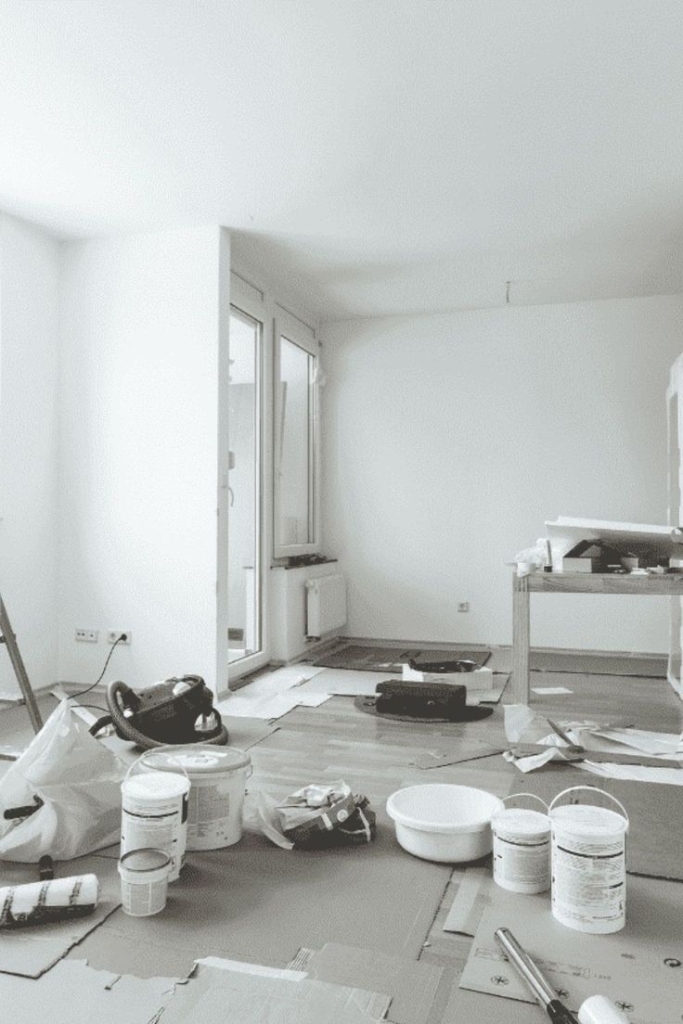
CREDIT: PINTEREST
1. Set Your Intentions and Budget, The First Step in Your Ultimate Renovation Checklist
Every successful remodel starts with clear intentions and a realistic budget. Before swinging a single hammer, ask yourself why you’re renovating and what you hope to achieve. Figure out the core goals that will guide your entire project. Are you aiming to:
- Modernize an outdated style for a fresh look?
- Improve functionality or flow for daily living?
- Increase your home’s resale value for a future sale?
- Create a safer, accessible space for aging in place?
Defining your “why” will shape your ultimate renovation checklist from the get-go. For example, a renovation focused on resale value might prioritize kitchen and bathroom upgrades that appeal to buyers, while one centered on aging in place might emphasize accessibility (wider doorways, a first-floor bedroom, etc.). Keeping your goals front and center ensures every decision, from layout changes to fixture choices, aligns with your vision.
Once your goals are clear, outline the project scope and set a budget. Decide if you’re tackling one room or an entire house. Be honest about what’s a must-have versus a nice-to-have. It’s tempting to keep adding “just one more thing,” but every addition will impact your timeline and budget. Prioritize the changes that deliver the most value or joy. Make a list of your non-negotiables (e.g. updating the old kitchen cabinets, fixing that leaky roof, adding a half-bath) and your wish-list items you could cut if needed (e.g. a sunroom addition, expensive marble tile).
Next, do a budget reality check. Research ballpark costs for your type of renovation in Virginia. Call a contractor for an estimate or use online remodeling cost guides for a starting point. As you build your budget, include all the obvious expenses (materials, labor, etc.), but also remember the less obvious items on your ultimate renovation checklist:
- Design fees: If you plan to hire an architect or interior designer.
- Permits: Most major work (structural, electrical, plumbing) in Virginia requires permits and fees.
- Temporary living costs: If you might stay in a hotel or short-term rental during intense construction phases.
- Storage or moving: You may need to rent a storage unit or pod for furniture and belongings during the project.
- Contingency fund: Set aside 10–15% of your budget for unexpected surprises (and there will be surprises).
Being financially prepared is a key part of any Ultimate Renovation Checklist. It’s better to plan for the worst and hope for the best than to run out of money halfway through. If the initial numbers are higher than expected, don’t panic. Revisit your scope and trim the nice-to-haves, or consider phasing the work in stages. A reputable contractor like Chris Chapman can help refine costs and suggest creative solutions to achieve your goals without breaking the bank.
Before moving on, document your renovation intentions and budget in writing. This forms the foundation of your ultimate renovation checklist. You can refer back to it whenever decisions get tough (like choosing between a pricey marble countertop or a more affordable quartz). It’s your north star for the project.
Chris Chapman’s Tip: “Start with what makes your life easier now and adds value later.” In other words, focus on improvements that improve your daily life and give a good return on investment down the road.
2. Make Design Plans You Can Build From
With goals and budget set, the next item on your Ultimate Renovation Checklist is creating a detailed design plan. This is where your dreams take shape on paper (or in digital blueprints). It’s fun to gather inspiration, scroll through Pinterest, watch HGTV, save magazine clippings, but remember: Pinterest ≠ plan. Those ideas now need to become a workable plan that a contractor can follow.
Start by writing down what changes you want in each space, then work with a professional designer or an experienced contractor to develop drawings or blueprints. Even for a small project, having a plan is invaluable. Proper drawings will map out everything from new wall layouts and cabinet dimensions to where the outlets, light switches, and ventilation vents will go. Don’t forget details like plumbing routes and HVAC adjustments if needed. A comprehensive design plan on your ultimate renovation checklist prevents the “uh-oh, we didn’t think about that” moments once construction starts.
As you design, stay grounded in reality. Not every flashy idea from a TV show will fit your home’s structure or your budget. A good designer or contractor will advise what’s feasible and suggest alternatives for anything that isn’t. This step is all about aligning your wish list with what’s structurally possible and financially sensible, resulting in a plan you can actually build without constant changes.
Finalize all key decisions before demolition begins. This might be the most underrated part of an Ultimate Renovation Checklist. Many homeowners are eager to start swinging the hammer, but if you haven’t chosen exactly which flooring, cabinets, appliances, and even door knobs you want, try to decide now. Every choice you lock in upfront is one less potential delay later. Imagine the project pausing because a sink you love is backordered for 8 weeks, or realizing after tearing out a wall that you’re not sure what lighting to install. To avoid delays, order any long lead-time items well in advance so they arrive when needed. Yes, that means picking out everything, from the big items (like windows and countertops) down to the little things (paint colors, faucet finishes, cabinet hardware), as early as possible. It’s a lot of work upfront, but it will save you weeks of stress during the build.
Another benefit of thorough planning: you can avoid trendy regrets. Taking time to finalize your design helps you choose styles you truly love, not just what’s trending on Instagram this month. Ask yourself if a design element will stand the test of time. For example, bold patterned tiles or trendy light fixtures can be fun, but will you still love them in five years? Balance trendy touches with classic elements so your renovation feels fresh but also enduring. After all, a home renovation is an investment, you want to enjoy it for years to come.
Keep referring back to your ultimate renovation checklist as you plan. Make sure it includes every element of the design: layout drawings, a list of materials and fixtures (with model numbers or specifics), and any required technical plans. When your design is truly build-ready, you’ll feel much more confident moving forward, knowing there’s a clear path ahead.
Chris Chapman’s Motto: “If it doesn’t feel good in 10 years, don’t build it now.” In other words, design with the future in mind. Prioritize quality and timeless style over fads that might fade.
Remember: checking off the design planning phase on your Ultimate Renovation Checklist now will save you time and trouble later.
3. Hire Your Dream Team, No Regrets
Even the best plan needs the right people to execute it. The next section of your Ultimate Renovation Checklist is assembling your dream team of professionals, starting with a trustworthy contractor. In Virginia there are many contractors, but you want one who understands your vision, communicates well, and has a track record of quality work. Here’s how to hire the right pro and avoid contractor nightmares:
Ask for referrals and read reviews: Start with people you trust. If friends or neighbors had a great renovation experience, get their contractor’s name. Also, check online reviews (Google, Yelp, etc.) for contractors in your area. Look for consistent praise for things like staying on budget, finishing on time, and good communication, signs that they respect an ultimate renovation checklist approach.
Go local: Focus on contractors with Virginia experience, especially in your county or city. Local pros like MGS Contracting Services know the regional building codes, permitting processes, and common construction quirks of the area. They’ll know, for example, that Fairfax County’s permit process can be strict, or that older homes in Richmond might have lead pipes or plaster walls to contend with. A contractor from out of the area might not be prepared for those details. Chris Chapman has been renovating homes around here for years, so he knows what works for Virginia’s climate and homes.
Meet them in person: Always meet your potential contractor (or at least via video call) before hiring. A renovation can last weeks or months, so you need someone you feel comfortable with and can communicate openly with. Pay attention to how they listen and respond to you. Are they attentive to your ideas and concerns? Good communication is golden. You’re looking for a partner for your project, not just a laborer, someone who will work with you, not just for you.
Do a thorough vetting: Verify that the contractor is properly licensed and insured in Virginia (you can usually look this up on state databases). Ask for references and actually call those past clients to ask about their experience. Find out if the contractor handled issues professionally and if they honored the timeline and budget. Discuss who will be on site managing day-to-day, will the contractor be there regularly or have a foreman? Know who your point of contact is for questions (with MGS, it’s Chris himself, which means no telephone game with multiple managers). Also ask if they will handle the permits and inspections; most good contractors will manage or guide this process for you.
Get detailed estimates: After discussing your plans, a great contractor will provide a detailed written estimate or proposal. It should break down the scope of work and costs for each aspect of the job (demolition, framing, plumbing, electrical, finishes, etc.). This helps you understand where your money is going and makes it easier to compare bids if you get multiple. It should also include an estimated timeline or schedule. Don’t be afraid to ask questions if something is unclear or if you notice something important missing. The estimate (and later the formal contract) should cover all the basics of your project so there are no big surprises.
Finally, trust your instincts. If something feels off during the bidding or vetting process, maybe the contractor is hard to reach, or they dismiss your concerns, it might be a red flag. It’s worth moving on and finding someone you’re fully comfortable with. You’ll be interacting with this person often, and you’re trusting them with your home, so make sure it’s someone you genuinely trust.
Chris Chapman’s Tip: “You’re hiring a partner, not just labor. Trust your gut.” In other words, choose a contractor who communicates well and makes you feel confident. It’s not only about the price tag, it’s about finding someone who will treat your home as carefully as you do.
Hiring the right contractor early checks a major item off your Ultimate Renovation Checklist and sets your project up for success.
4. Prep Your Home (and Yourself) Before Construction
Before the crew arrives, spend time preparing your home (and your family) for the disruption. Proper prep is a must on your Ultimate Renovation Checklist to minimize stress. Key steps to take:
- Order materials early: Confirm that all your chosen materials and fixtures are ordered and scheduled for delivery on time. Backordered or missing items can delay the whole project, so double-check everything now.
- Set up temporary living arrangements: If the renovation is major, consider staying elsewhere during the messiest phases. If you stay, create a livable space away from the construction (for example, set up a temporary kitchen if your main kitchen will be out of commission).
- Protect your belongings: Clear out and safely store furniture, electronics, and valuables from work areas. Cover what can’t be moved with drop cloths or plastic sheeting to shield from dust and damage. Don’t forget floor protection in high-traffic paths.
- Notify your neighbors: Give neighbors a heads-up about the project timeline. It’s courteous to warn them about any noise, extra vehicles, or dumpsters. A little consideration goes a long way in keeping the peace.
- Document your home’s condition: Take “before” photos of rooms and valuable items. This not only gives you before-and-after joy, but also helps with insurance in case anything gets accidentally damaged during the renovation.
By checking off these prep items, you’ll set the stage for a smoother construction phase with fewer surprises.
Making home prep a part of your Ultimate Renovation Checklist will help construction go more smoothly.
5. Be Available and Flexible During Construction
Once construction begins, the next item on your Ultimate Renovation Checklist is to be a good partner in the process. Stay involved but trust the pros. Here’s how to navigate the construction phase:
- Communicate and be reachable: Keep an open line with your contractor. If decisions or issues arise, you want to be available to respond quickly. It’s usually best to funnel questions through the general contractor (instead of directing each worker) to avoid confusion.
- Respect the work zone: Drop by to see progress, but try to do scheduled walkthroughs rather than daily surprise visits. Construction sites can be hazardous and constant interruptions can slow the crew down. Trust the team to do their job day-to-day.
- Pay promptly as agreed: Follow the payment schedule in your contract. Timely payments ensure the contractor can pay subcontractors and keep the project moving without financial hiccups. It sets a tone of mutual respect and reliability.
- Expect curveballs: Despite careful planning, surprises (like hidden mold or shipping delays) can happen. Stay flexible and work with your contractor on solutions. A little patience and problem-solving attitude will keep the project on track in the face of the unexpected.
Being present, responsive, and adaptable during the build will help your renovation run as smoothly as possible. Remember, you and your contractor are on the same team with the same goal: a successful renovation.
Staying responsive and flexible is a crucial part of your Ultimate Renovation Checklist for a smooth renovation.
6. Set Realistic Timelines and Manage Your Budget
One reason renovations get stressful is unrealistic expectations about time and money. A smart Ultimate Renovation Checklist emphasizes setting a sensible schedule and keeping a close eye on costs.
Build a buffer into your timeline. Work with your contractor to estimate how long each phase will take, then add a little extra time as a cushion. Many factors can affect the schedule: permits and inspections might take longer than anticipated, materials could arrive late, a subcontractor might get held up on another job, or bad weather could pause exterior work. If you’re hoping to be done by a certain date (say, the holidays), start well in advance. It’s far better to finish early than to scramble because of unexpected delays.
Stick to your budget (and track it). By now you have a budget with a contingency. To avoid overspending, monitor your expenses throughout the project. Common budget busters include mid-project design changes, underestimating material needs, surprises like hidden water damage or old wiring, and price increases on key materials. Knowing this, try to stick to your original plan and selections. Keep a simple spreadsheet of costs and update it with every payment and purchase. Check in with your contractor if anything seems like it might push you over budget, so you can make adjustments proactively (for example, choosing a more economical fixture to offset an unexpected repair cost). Being vigilant with your budget isn’t about penny-pinching, it’s about ensuring you have the funds to finish the job without stress.
The bottom line: plan for reality, not wishful thinking. When your timeline has some wiggle room and your budget has a safety net, you’ll handle any hiccups much more easily.
Managing time and money wisely should always be on your Ultimate Renovation Checklist for a successful outcome.
7. Chris Chapman’s 5-Step Renovation Success System
At MGS Contracting Services, we follow a proven game plan for every project. Chris Chapman’s five-step system keeps renovations organized and efficient. In a nutshell, the steps are:
Step 1: Define the Goal, Identify exactly what you want to accomplish. A clear goal (e.g. “expand kitchen for more storage and seating”) guides all decisions and keeps the project focused.
Step 2: Plan in Layers, Work out the project in stages: first the design and layout, then structural needs, then choose finishes, and finally plan for furniture/decor placement. Tackling planning layer by layer ensures nothing is overlooked and the end result works both functionally and aesthetically.
Step 3: Vet & Hire the Right Pros, Assemble a reliable team. We make sure every trade professional on the job is vetted, licensed, and excellent at their craft. The right team prevents delays and do-overs.
Step 4: Manage Schedule & Materials, Stay on top of ordering materials and scheduling the work. We coordinate each phase so that as one task finishes, the next is ready to start. This keeps the project moving smoothly with minimal downtime.
Step 5: Communicate Constantly, Keep everyone in the loop. Chris maintains regular communication with homeowners (updates, questions, decisions) and with the crew. No one is left guessing, and any issues are addressed immediately through open communication.
By following these five steps on every project, we make sure all the boxes on your Ultimate Renovation Checklist are checked. It’s a system that leads to happy clients and successful renovations time and time again.
8. Common Renovation Mistakes to Avoid
Even with a great plan, there are pitfalls to beware of. Here are some common renovation mistakes that can derail your project (even the best Ultimate Renovation Checklist can’t save you if these happen). Make sure to avoid them:
- Starting demo without final plans: Don’t tear out walls or floors until your design is finalized (and permits are in hand). Demolishing too soon can lead to costly mistakes and rebuilds.
- Ordering materials piecemeal: Order materials in as few batches as possible. Buying bit by bit can cause mismatches (different color lots) or delays if items become unavailable mid-project.
- Choosing a contractor by price alone: A very low bid can be a red flag that something’s missing or quality will suffer. Base your decision on a combination of reputation, trust, and value, not just the cheapest number.
- Micromanaging the crew: Constant hovering or instructing the workers will slow things down and strain the relationship. You hired professionals, let them do their job. Communicate via the contractor and focus on big-picture results, not every nail.
- Making changes mid-project: Try not to change the plan once construction is underway. Midstream changes almost always cause delays and extra costs. It’s better (and cheaper) to finalize decisions before work begins.
- Skipping permits or inspections: Never skip required permits to save time or money. Unpermitted work can lead to fines, failed insurance claims, and problems when selling your home. It’s not worth the risk, follow the rules and get inspections done for safety and peace of mind.
Chris Chapman’s Golden Rule: “A little patience in planning saves a mountain of frustration during construction.” In other words, proper prep and following the process will spare you huge headaches later.
Avoiding these pitfalls is just as important as every other item on your Ultimate Renovation Checklist.
9. Virginia-Specific Renovation Tips
Renovating in Virginia comes with a few extra considerations. Tailor your Ultimate Renovation Checklist with these local tips in mind:
- Humidity & Moisture: Our summers are humid. Plan for proper waterproofing and ventilation. Basements may need dehumidifiers or vapor barriers; bathrooms need strong exhaust fans. Use moisture-resistant materials where needed to prevent mold or warping.
- Permits & Codes: Regulations vary by county. Always check local permit requirements and building codes before you start. If you live in a historic district or have an HOA, get their approvals too. Working with a contractor who knows Virginia rules (like the state building code and local processes) is a huge plus.
- Seasonal Timing: We get cold winters and hot, stormy summers. Schedule major exterior work for milder months if possible. Avoid pouring concrete or framing during deep freezes, and be cautious with summer projects during thunderstorm season. Also, be mindful of spring pollen if you plan to paint outside, you don’t want yellow pollen sticking to fresh paint!
- Storage & Logistics: Figure out where to put materials and debris. In tight neighborhoods, you may need a permit for dumpsters or delivery trucks. Keep materials in a dry, safe spot, garages or sheds can work, but remember summer heat and humidity or winter cold can affect some materials. Consider a storage pod or off-site storage for furniture and belongings to keep them protected during the reno.
By accounting for Virginia’s climate and rules, you’ll avoid a lot of headaches. Local knowledge goes a long way in making your renovation smooth.
Include these Virginia-specific considerations in your Ultimate Renovation Checklist so your project suits our region.
10. Work With MGS Contracting Services, Bring Your Ultimate Renovation Checklist to Life
Planning a renovation is a lot of work, but you don’t have to do it all yourself. If you’re a Virginia homeowner looking for a reliable partner to execute your Ultimate Renovation Checklist, MGS Contracting Services is here to help.
Who We Are: We’re a family-run, Virginia-based contracting company dedicated to high-quality home renovations. Our reputation is built on integrity, craftsmanship, and happy customers.
Meet Chris Chapman: Chris is the owner and sole contractor of MGS. With decades of local experience, he personally oversees each project from start to finish. When you work with us, you deal directly with Chris, the person who’s swinging the hammer and managing the details, ensuring a personal touch and attention to detail that larger firms can’t match.
What We Do:
- Kitchen Renovations: Complete kitchen makeovers, big or small. We’ll help design and build a kitchen that’s beautiful, functional, and tailored to your needs.
- Bathroom Remodels: From luxurious master baths to efficient hallway bathrooms, we transform bathrooms into fresh, comfortable spaces.
- Whole-Home Remodels: Whether you bought a fixer-upper or want to modernize your longtime home, we handle full-house renovations and coordinate every aspect of the project.
- Home Additions & Garages: Need more room? We build seamless home additions, new garages, and in-law suites that look like they were always part of the house.
- Custom Projects: Have a unique idea? We love custom work, built-in shelving, attic conversions, decks, porches, you name it.
Throughout every project, we prioritize clear communication, honest pricing, and top-notch workmanship. We’re fully licensed and insured, and we handle all permitting and inspections. Our goal is to make the renovation experience as smooth and stress-free as possible for you.
When you choose MGS, you’re choosing a partner who will treat your Ultimate Renovation Checklist like the blueprint to deliver your dream home.
Ready to build with confidence? Let’s turn your checklist into reality. Contact MGS Contracting Services today to discuss your project and get a free consultation. With Chris Chapman and our team on your side, you can move forward knowing your renovation will be done right, on time and on budget, with outstanding results.
Renovating your home is a big undertaking, but with a solid plan and the right team, it can also be one of the most rewarding. Keep this Ultimate Renovation Checklist handy as you embark on your project, with careful planning and smart choices, you can avoid chaos and build smart.
Quick Ultimate Renovation Checklist Recap
- Ultimate Renovation Checklist Step 1: Set your renovation goals and budget. (Know your “why” and how much you can spend, the foundation of your Ultimate Renovation Checklist.)
- Ultimate Renovation Checklist Step 2: Make a detailed design plan before you start. (Plan layout, materials, and finishes in advance, a key Ultimate Renovation Checklist task.)
- Ultimate Renovation Checklist Step 3: Hire a reputable contractor (and necessary pros). (Choose quality and trust over just low price.)
- Ultimate Renovation Checklist Step 4: Prep your home for construction. (Protect belongings, plan where to live, and warn neighbors.)
- Ultimate Renovation Checklist Step 5: Communicate and stay flexible during the build. (Be responsive, pay on time, and be ready for surprises.)
- Ultimate Renovation Checklist Step 6: Set realistic timelines and manage your budget. (Build in time cushions and track expenses closely.)
- Ultimate Renovation Checklist Step 7: Follow a proven process (like Chris’s 5-step system). (Plan in layers, vet your team, stay organized.)
- Ultimate Renovation Checklist Step 8: Avoid common renovation mistakes. (Don’t rush planning, don’t skip permits, no last-minute changes.)
- Ultimate Renovation Checklist Step 9: Account for Virginia-specific needs. (Moisture, permits, weather scheduling, plan for local conditions.)
- Ultimate Renovation Checklist Step 10: Work with a reliable contractor to execute the plan. (Partner with pros who respect your Ultimate Renovation Checklist and vision.)
Here’s to a successful renovation!
Frequently Asked Questions (FAQs)
Q: What should I do first before starting a home renovation?
A: Start by defining your goals and setting a budget. In other words, create an Ultimate Renovation Checklist as your roadmap before any work begins.
Q: How do I set a realistic renovation budget?
A: Research typical costs for your project and get a few contractor estimates. Include all expenses (materials, labor, permits, etc.) and add about a 10% buffer for unexpected surprises.
Q: When should I hire a contractor vs. a designer?
A: If your project involves structural changes or complex construction, hire a general contractor to manage the build and trades. If you need help with layout or choosing finishes, hire a designer or architect. Many large renovations use both: a designer to plan and a contractor to execute.
Q: How do I avoid delays in my renovation project?
A: Plan thoroughly and finalize decisions before construction starts. Order materials ahead of time and secure necessary permits early. Also, choose a reputable contractor and respond quickly to any questions during the project. And try to avoid last-minute changes, they’re a common cause of delays. All these preventative steps should be included in your Ultimate Renovation Checklist to keep the project on track.
Q: What permits do I need for a home renovation in Virginia?
A: It depends on the scope, but generally any structural, electrical, or plumbing changes require permits. Check with your county’s building department to be sure. A good contractor will help identify which permits you need and often handle the application process for you. Always include checking permit requirements on your Ultimate Renovation Checklist so nothing is overlooked.
Q: Should I move out during a renovation?
A: For a small, contained project (say, one bathroom), you can likely stay at home with some adjustments. But for a large renovation (like a kitchen or multiple rooms), it’s often more comfortable to move out temporarily so you’re not living in a construction zone. Deciding whether to move out or stay should be one item on your Ultimate Renovation Checklist during planning.
Q: How long does a typical kitchen renovation take?
A: Once construction begins, about 6 to 10 weeks on average. A simple remodel could be closer to 4–6 weeks if everything is ready and goes smoothly. Larger or more complex kitchens (or if surprises occur) might run 10–12 weeks. Good planning and ordering items in advance helps keep it on the shorter side. Be sure to include a realistic timeline for your kitchen remodel in your Ultimate Renovation Checklist.
Q: What should be included in a contractor’s quote or contract?
A: It should clearly list the work to be done and the cost for each part of the project. The quote or contract should specify which materials are included (or allowances for selections), the payment schedule, the projected timeline, and any warranties or terms. Essentially, it needs to spell out all key details so there are no surprises later. In short, a good contract is basically the formal version of your Ultimate Renovation Checklist, ensuring everyone is on the same page.