If you’ve ever stood in your backyard staring at an old shed and thought, “There has to be a better use for that space,” you’re not alone.
Across Northern Virginia and throughout the country, homeowners are discovering the incredible potential of turning a shed into a tiny house. What was once a simple storage building for lawn equipment, holiday decorations, and forgotten boxes can become a comfortable guest suite, private home office, rental unit, creative studio, aging-in-place solution, or even a fully functional living space.
The idea sounds simple enough. Take an existing shed, add some insulation, run a few utilities, install a bathroom, and move in.
Unfortunately, that’s where many homeowners get into trouble.
The truth is that converting a shed into a tiny house involves much more than cosmetic upgrades. The moment a structure becomes a space intended for human occupancy, an entirely new set of building codes, zoning requirements, permits, inspections, and safety standards comes into play.
At MGS Contracting Services, Chris Chapman has helped homeowners navigate complex remodeling and construction projects throughout Northern Virginia. One of the biggest mistakes homeowners make is assuming a shed conversion is a quick weekend project. In reality, the success of any shed into a tiny house project depends on careful planning, proper construction practices, and a thorough understanding of local regulations.
Before you start sketching floor plans or browsing tiny house inspiration photos online, let’s dive into everything you need to know.
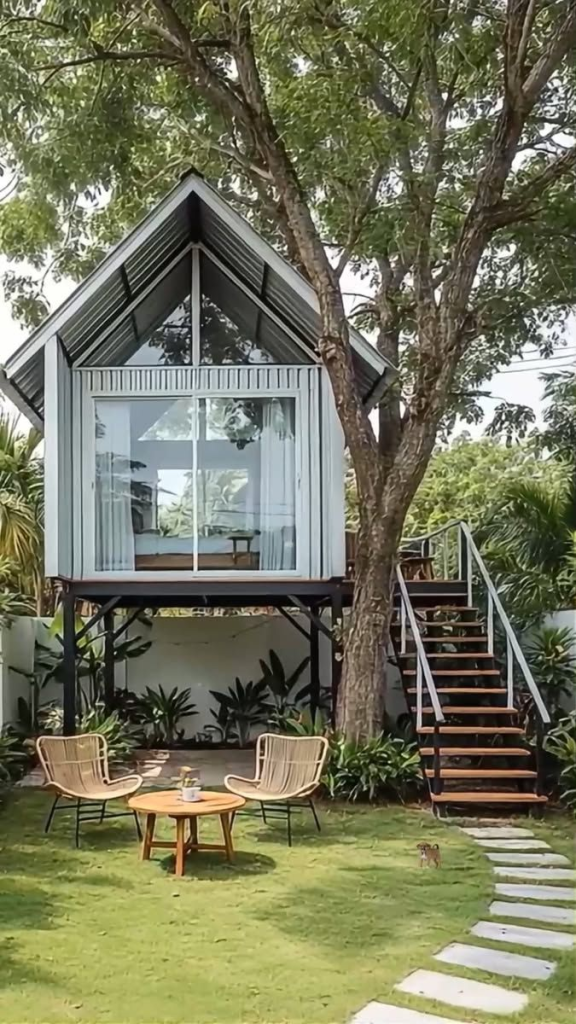
CREDIT: PINTEREST
Why Homeowners Are Converting a Shed Into a Tiny House
The popularity of the shed into a tiny house movement isn’t just a passing trend. It reflects changing lifestyles, housing needs, and property values.
Many homeowners today are looking for ways to maximize every square foot of their property. Instead of building expensive additions onto their homes, they’re exploring alternative living spaces that provide flexibility without requiring a major expansion of the primary residence.
Some of the most common reasons homeowners choose a shed into a tiny house conversion include:
Creating a Guest House
Family and friends love to visit, but not everyone loves giving up their privacy. A converted shed can provide comfortable accommodations while allowing guests to have their own space.
Building a Home Office
Remote work has transformed how many people use their homes. A dedicated backyard office can provide separation between work and personal life without requiring a commute.
Supporting Multigenerational Living
Many families are caring for aging parents or accommodating adult children. A tiny house can offer independence while keeping loved ones close.
Generating Rental Income
Depending on local regulations, a shed into a tiny house conversion may provide opportunities for short-term or long-term rental income.
Creating a Personal Retreat
Artists, writers, musicians, and hobbyists often use tiny houses as dedicated creative spaces away from the distractions of the main home.
Regardless of the goal, every successful shed into a tiny house project begins with one important question.
Can Your Existing Shed Actually Be Converted?
Many homeowners assume that if a shed looks solid, it’s ready for conversion.
Unfortunately, appearances can be deceiving.
Most storage sheds are designed to protect tools and equipment from the weather. They are not typically engineered to support the demands of residential occupancy.
When Chris Chapman evaluates a potential shed into a tiny house project, one of the first things he looks at is the structural integrity of the building itself.
Foundation Matters More Than Most Homeowners Realize
A shed may appear level and stable, but residential occupancy places significantly different demands on a structure.
Consider everything a tiny house must support:
- Occupants
- Furniture
- Appliances
- Cabinets
- Plumbing systems
- Water tanks
- Insulation
- Drywall
- HVAC equipment
An inadequate foundation can lead to:
- Floor sagging
- Structural movement
- Cracking drywall
- Plumbing failures
- Moisture intrusion
In many cases, foundation upgrades become one of the first major investments in a shed into a tiny house conversion.
Evaluating the Framing
The framing system is essentially the skeleton of the structure.
Older sheds often suffer from:
- Moisture damage
- Rot
- Insect infestation
- Improper construction methods
- Undersized framing members
What appears to be a simple cosmetic remodel can quickly turn into a structural rehabilitation project once walls are opened.
Roof Capacity
Many homeowners envision adding skylights, insulation, solar panels, or upgraded roofing materials during a shed into a tiny house conversion.
However, the existing roof structure may not be designed to handle additional loads.
Before any interior work begins, the roof system should be thoroughly evaluated.
Understanding the Difference Between a Shed and a Livable Dwelling
This is where many DIY projects go off track.
A storage shed and a legal dwelling are two completely different categories of construction.
A storage shed is intended for belongings.
A tiny house is intended for people.
That distinction changes everything.
When a structure becomes habitable, local building officials typically require compliance with standards related to:
- Structural safety
- Fire protection
- Ventilation
- Insulation
- Emergency egress
- Electrical systems
- Plumbing systems
- Heating
- Cooling
- Sanitation
This is why simply placing a bed and a mini refrigerator inside a shed does not legally transform it into a tiny house.
A true shed into a tiny house conversion requires thoughtful planning and proper execution.
The Zoning Challenge Most Homeowners Never See Coming
One of the most frustrating moments for homeowners occurs when they discover that their dream project may not align with local zoning regulations.
Many people spend weeks planning layouts, selecting finishes, and estimating costs before checking whether the project is even permitted.
This is a costly mistake.
Before investing in any shed into a tiny house project, zoning regulations should be reviewed carefully.
Different jurisdictions may regulate:
- Detached accessory dwelling units
- Guest houses
- Backyard cottages
- Tiny homes
- Secondary living structures
In Northern Virginia, requirements can vary significantly from one county, city, or neighborhood to another.
Factors that may affect project approval include:
Lot Size
Some jurisdictions establish minimum lot size requirements before allowing additional living structures.
Setback Requirements
Property lines often dictate where structures may be located.
A shed that was legally installed as a storage structure may not meet setback requirements for residential occupancy.
Maximum Building Size
Tiny houses and accessory dwellings frequently face square footage limitations.
Utility Access
Local authorities may require specific utility connections before approving occupancy.
HOA Restrictions
Even when local governments approve a project, homeowners associations may impose additional restrictions.
This is one of the reasons many homeowners choose to work with experienced professionals rather than attempting to navigate the process alone.
Why DIY Videos Can Be Misleading
Spend ten minutes on social media and you’ll find countless videos showing dramatic shed transformations.
A run-down storage building becomes a stunning tiny house in a few minutes of edited footage.
What those videos rarely show are:
- Permit applications
- Engineering reviews
- Utility trenching
- Inspection delays
- Structural repairs
- Budget overruns
- Code compliance issues
The reality is that converting a shed into a tiny house requires coordination among multiple trades and professionals.
Electrical systems must be safe.
Plumbing systems must function properly.
Heating and cooling systems must provide year-round comfort.
Structural modifications must comply with building codes.
When homeowners underestimate the complexity of these requirements, costs can escalate rapidly.
In some cases, improperly completed work must be demolished and rebuilt before approval is granted.
That can turn a seemingly affordable project into an expensive lesson.
Why Homeowners Trust Chris Chapman and MGS Contracting Services
One of the greatest advantages of working with an experienced contractor is avoiding mistakes before they happen.
At MGS Contracting Services, Chris Chapman approaches every project with the mindset of protecting the homeowner’s investment.
As a Marine Corps veteran and experienced remodeling professional, Chris understands that successful construction projects are built on preparation, communication, and attention to detail.
Rather than focusing solely on finishes and aesthetics, he helps homeowners evaluate the entire picture:
- Feasibility
- Budget
- Structural integrity
- Code compliance
- Utility requirements
- Long-term functionality
This proactive approach often saves homeowners significant time, stress, and money.
Most importantly, it helps ensure that a shed into a tiny house conversion becomes an asset rather than a liability.
Because while beautiful finishes are important, nothing is more valuable than knowing your project was built correctly, safely, and legally from the very beginning.
Shed Into a Tiny House: The Critical Systems That Make or Break Your Project
By now, you’ve probably realized that converting a shed into a tiny house is much more than a cosmetic makeover.
The beautiful photos you see online often focus on charming interiors, clever storage solutions, and cozy sleeping lofts. What they don’t show are the behind-the-scenes systems that make the structure legal, comfortable, safe, and functional.
In fact, some of the most expensive parts of a shed into a tiny house conversion are completely hidden behind the walls.
Electricity.
Plumbing.
Insulation.
Ventilation.
Heating.
Cooling.
Permits.
Inspections.
These are the components that determine whether your project becomes a valuable asset or an expensive headache.
Let’s explore what homeowners need to know before moving forward.
Why Permits Matter More Than You Think
One of the most common questions homeowners ask is:
“Do I really need permits for a shed into a tiny house conversion?”
The short answer is almost always yes.
Many homeowners assume that because the shed already exists, they can simply remodel the interior without involving the local building department.
Unfortunately, that’s rarely how it works.
The moment a storage structure becomes a habitable space, local governments typically require permits and inspections.
This isn’t about creating bureaucracy.
Permits exist to ensure that structures intended for human occupancy are safe.
They help protect:
- Occupants
- Property owners
- Future buyers
- Neighbors
- Emergency responders
Skipping permits may seem like a shortcut, but it often creates far bigger problems down the road.
What Happens If You Skip Permits?
This is where many DIY shed into a tiny house projects run into trouble.
Imagine investing tens of thousands of dollars into a beautiful conversion.
The project is complete.
The finishes look amazing.
The furniture is in place.
Then a code enforcement officer discovers the unpermitted structure.
Suddenly, you may face:
- Stop-work orders
- Fines
- Forced demolition
- Utility disconnections
- Insurance complications
- Problems during home sales
- Difficulty obtaining financing
Many homeowners don’t realize that unpermitted structures frequently become major issues during real estate transactions.
A buyer’s inspection can uncover unapproved living spaces, leading to delayed closings or reduced property values.
That’s why Chris Chapman encourages homeowners to approach every shed into a tiny house project with compliance in mind from the very beginning.
Doing things correctly the first time is almost always less expensive than correcting mistakes later.
Understanding the Different Types of Permits
Every jurisdiction is different, but most shed into a tiny house projects require multiple permits.
Many homeowners are surprised to learn that a single permit rarely covers everything.
Building Permit
The building permit is typically the primary permit for the overall project.
This permit covers:
- Structural modifications
- Occupancy changes
- Framing alterations
- Insulation requirements
- General code compliance
Think of it as the master permit that oversees the entire conversion.
Electrical Permit
Any significant electrical work usually requires its own permit.
Examples include:
- New circuits
- Electrical panels
- Rewiring
- Lighting systems
- Receptacles
- Appliance connections
Electricity is one area where mistakes can have devastating consequences.
Electrical fires remain one of the leading causes of residential property damage.
Professional installation and inspection help ensure long-term safety.
Plumbing Permit
A true shed into a tiny house conversion typically requires plumbing permits when adding:
- Bathrooms
- Showers
- Toilets
- Sinks
- Water heaters
- Kitchen fixtures
Plumbing mistakes often remain hidden until leaks create extensive damage.
Proper permitting helps prevent these costly surprises.
Mechanical Permit
Mechanical permits generally cover:
- Heating systems
- Air conditioning systems
- Ventilation equipment
- Mini-split systems
- Exhaust fans
Comfort matters, but so does indoor air quality.
A properly permitted HVAC system helps ensure both.
The Inspection Process: What Homeowners Should Expect
One of the biggest misconceptions about construction projects is that inspections occur only at the end.
In reality, inspections happen throughout the process.
Inspectors don’t simply walk through the completed space and approve it.
They evaluate critical systems at various stages of construction.
Framing Inspection
Before walls are closed up, inspectors often verify that structural modifications comply with code requirements.
This may include reviewing:
- Wall framing
- Roof framing
- Openings
- Structural connections
- Load-bearing elements
Electrical Rough-In Inspection
Before drywall is installed, inspectors evaluate the electrical system.
They check:
- Wire placement
- Circuit routing
- Grounding
- Junction boxes
- Panel connections
Once drywall covers these components, inspection becomes much more difficult.
Plumbing Rough-In Inspection
Inspectors verify that plumbing systems are properly installed before walls are enclosed.
This includes:
- Drain lines
- Venting systems
- Water supply lines
- Pipe support
Insulation Inspection
Energy efficiency standards often require insulation inspections before drywall installation.
Inspectors verify:
- Insulation thickness
- Coverage
- Vapor barriers
- Air sealing measures
Final Inspection
The final inspection evaluates the completed structure.
This is where the shed officially begins its transition into a legal living space.
Passing the final inspection provides confidence that the project meets applicable standards.
Electricity: Turning a Shed Into a Functional Home
Perhaps no system transforms a shed into a tiny house more dramatically than electricity.
Electricity powers modern living.
Without it, daily life becomes significantly more difficult.
While some sheds already have basic power, most require substantial upgrades before becoming habitable spaces.
Common Electrical Needs in Tiny Houses
A functional tiny house may include:
- Interior lighting
- Exterior lighting
- Kitchen appliances
- Water heaters
- Refrigerators
- HVAC systems
- Charging stations
- Entertainment systems
- Internet equipment
Each of these components requires proper planning.
Why Extension Cords Are Not a Solution
Some homeowners attempt temporary solutions by running extension cords from the primary residence.
This is not a long-term answer.
Extension cords are not intended to function as permanent electrical systems.
A professionally designed electrical system provides:
- Reliability
- Safety
- Capacity
- Future flexibility
The Importance of Dedicated Electrical Service
Depending on local requirements, your shed into a tiny house conversion may require:
- Dedicated circuits
- Subpanels
- Separate disconnects
- Service upgrades
Proper electrical design ensures the structure can safely support daily use.
Plumbing: The System That Changes Everything
Adding plumbing is often the moment when a shed truly begins to resemble a home.
A bathroom alone can dramatically increase functionality and value.
However, plumbing is frequently one of the most expensive portions of a shed into a tiny house project.
Why?
Because water has to travel both to and from the structure.
You need:
- Fresh water supply
- Wastewater removal
- Venting systems
- Water heating
- Drainage infrastructure
Each component requires careful planning.
Bathroom Considerations
Many homeowners dream of squeezing a full bathroom into a compact footprint.
The challenge isn’t simply finding room for fixtures.
The challenge is integrating those fixtures into compliant plumbing systems.
Bathrooms often require:
- Toilets
- Showers
- Lavatories
- Vent stacks
- Drainage systems
A poorly planned bathroom can consume valuable square footage while creating future maintenance issues.
Kitchen Plumbing
Even small kitchenettes introduce additional plumbing needs.
Homeowners often underestimate the complexity involved in:
- Sink installation
- Water supply routing
- Drain connections
- Venting requirements
These systems must work together properly to prevent odors, leaks, and performance problems.
Water and Sewer Connections: The Hidden Budget Item
When homeowners estimate the cost of converting a shed into a tiny house, they frequently focus on visible finishes.
Flooring.
Paint.
Cabinets.
Fixtures.
What often gets overlooked are utility connections.
Yet utility infrastructure can become one of the largest project expenses.
Connecting to Municipal Water
Many shed conversions tie into existing municipal water systems.
The process may involve:
- Excavation
- Trenching
- Pipe installation
- Pressure testing
- Inspections
Distance matters.
A shed located close to the house may cost less to connect than one located far across the property.
Sewer Connections
Sewer installations are often even more complex.
Depending on site conditions, sewer work may require:
- Excavation
- Gravity flow design
- Pump systems
- Utility coordination
- Environmental reviews
These costs can vary dramatically from one property to another.
This is one reason why professional site evaluations are so important during project planning.
The Comfort Factor: Heating and Cooling Your Tiny House
A shed into a tiny house conversion may look beautiful, but if it’s freezing in January and sweltering in July, nobody will enjoy using it.
Comfort should never be an afterthought.
The good news is that modern HVAC technology makes climate control easier than ever.
Mini-Split Systems: The Tiny House Favorite
One of the most popular solutions for tiny homes is the ductless mini-split system.
Homeowners love mini-splits because they provide:
- Heating
- Cooling
- Energy efficiency
- Compact equipment
- Zoned comfort
Without bulky ductwork, mini-splits fit naturally into smaller spaces.
Insulation Is Equally Important
Even the best HVAC system struggles without proper insulation.
A quality shed into a tiny house conversion should address:
- Wall insulation
- Roof insulation
- Floor insulation
- Air sealing
- Moisture control
Skipping insulation to save money often leads to higher energy bills and reduced comfort for years to come.
The Biggest Legal Mistakes Homeowners Make
After years in the remodeling industry, Chris Chapman has seen patterns emerge.
Many shed into a tiny house projects encounter the same avoidable mistakes.
Mistake #1: Starting Construction Before Research
Excitement often leads homeowners to begin construction before understanding local regulations.
Research should always come first.
Mistake #2: Assuming Existing Structures Are Automatically Approved
Just because a shed exists doesn’t mean it qualifies for residential use.
Occupancy changes frequently trigger additional requirements.
Mistake #3: Ignoring Setback Rules
A structure may have been legally placed as a storage shed but become noncompliant when converted into living space.
Mistake #4: Underestimating Utility Costs
Utility infrastructure often costs far more than homeowners expect.
Mistake #5: Focusing Only on Interior Design
Beautiful finishes don’t compensate for structural deficiencies or code violations.
Mistake #6: Hiring Inexperienced Contractors
Not every contractor understands the complexities of accessory dwelling units and tiny house conversions.
Experience matters.
Especially when navigating permits, inspections, and compliance requirements.
The most successful shed into a tiny house projects begin with realistic expectations, professional planning, and a commitment to doing things correctly from day one.
And that’s exactly where MGS Contracting Services helps homeowners make informed decisions that protect both their investment and their future property value.
Shed Into a Tiny House: Costs, ROI, Off-Grid Living, and Why Professional Planning Pays Off
At this point, you’ve learned that converting a shed into a tiny house involves far more than decorating a small building and moving in.
You’ve explored zoning regulations, permits, inspections, utilities, plumbing, electrical systems, and HVAC requirements. By now, one thing should be clear:
A successful shed into a tiny house conversion is a real construction project.
But for many homeowners, the next questions are even more important.
How much will it cost?
Will it increase property value?
Can it generate income?
Is off-grid living realistic?
And perhaps most importantly:
Is converting a shed into a tiny house actually worth it?
The answer depends on your goals, your property, your budget, and the quality of the project itself.
Let’s break it all down.
The Growing Appeal of Off-Grid Tiny House Living
One of the reasons the shed into a tiny house movement has gained so much attention is the dream of independence.
Many homeowners are attracted to the idea of creating a peaceful retreat away from the demands of modern life.
Some envision:
- A private getaway
- A hunting cabin
- A mountain retreat
- A backyard sanctuary
- A remote workspace
- A self-sufficient guest cottage
For these homeowners, off-grid living becomes part of the appeal.
What Does Off-Grid Actually Mean?
Off-grid living simply means operating independently from public utility systems.
Instead of relying on municipal services, the structure may generate and manage its own:
- Electricity
- Water supply
- Waste disposal
- Heating systems
A shed into a tiny house conversion can potentially support off-grid living, but it requires careful planning.
Many homeowners underestimate the infrastructure required to make this work comfortably.
Solar Power Considerations
Solar technology has improved dramatically in recent years.
Today’s systems can power:
- Lighting
- Appliances
- Electronics
- Water pumps
- Heating equipment
- Cooling systems
However, successful solar installations require more than simply attaching panels to a roof.
Factors to evaluate include:
- Roof orientation
- Sun exposure
- Battery storage
- Energy consumption
- Seasonal weather patterns
A well-designed system can provide substantial independence, but realistic expectations are essential.
Water Solutions for Off-Grid Tiny Houses
Electricity often gets most of the attention, but water can be a much larger challenge.
Potential solutions include:
- Private wells
- Water storage tanks
- Rainwater collection systems
- Water delivery services
Each option comes with its own maintenance requirements, costs, and local regulations.
Waste Management Options
Managing wastewater is another critical consideration.
Depending on local laws, homeowners may explore:
- Septic systems
- Composting toilets
- Alternative waste treatment systems
It’s important to remember that environmental regulations often govern these solutions.
What works in one area may not be permitted in another.
This is why professional planning remains so important when pursuing an off-grid shed into a tiny house project.
Let’s Talk About Costs
If you’ve been researching online, you’ve probably encountered wildly different numbers.
One article claims you can build a tiny house for a few thousand dollars.
Another suggests six-figure budgets.
So what’s realistic?
The answer is that every shed into a tiny house conversion is unique.
The cost depends on several major factors.
Existing Structure Condition
The better the existing shed, the lower the starting cost.
A structurally sound building with a quality foundation may save substantial money.
However, if repairs are required, costs can rise quickly.
Common repairs include:
- Foundation improvements
- Roof replacement
- Framing reinforcement
- Moisture remediation
Size Matters
A larger structure generally means:
- More materials
- More labor
- More utilities
- More finishes
However, larger spaces can sometimes provide greater functionality and value.
Utility Connections
One of the biggest budget variables is utility infrastructure.
Extending:
- Electrical service
- Water lines
- Sewer lines
- Gas service
can significantly affect project costs.
The farther the shed sits from existing utilities, the more complex the installation becomes.
Interior Finish Selections
Just like a kitchen remodel, finish choices dramatically influence costs.
Budget-friendly selections differ greatly from luxury upgrades.
Common upgrades include:
- Custom cabinetry
- Stone countertops
- Luxury flooring
- Designer lighting
- Premium fixtures
The key is balancing aesthetics with functionality and long-term value.
The Hidden Expenses Many Homeowners Miss
One of the reasons DIY budgets often fail is because homeowners focus on visible finishes.
They calculate:
- Paint
- Flooring
- Cabinets
- Furniture
But overlook critical infrastructure.
Professional contractors know that hidden costs often drive the budget.
Examples include:
Engineering Reviews
Some projects require structural engineering.
Permit Fees
Permit costs vary widely depending on location.
Excavation
Utility trenching can be significant.
Drainage Improvements
Water management is essential for protecting the structure.
Insulation Upgrades
Energy efficiency starts behind the walls.
Site Access Challenges
Limited access can increase labor and equipment costs.
These are not glamorous expenses, but they often determine whether a project succeeds.
Understanding Return on Investment
Homeowners naturally want to know whether a shed into a tiny house conversion will increase property value.
The answer is often yes, but the amount depends on several factors.
Functionality Drives Value
Additional usable space can make a property more attractive to future buyers.
Potential uses include:
- Guest accommodations
- Home offices
- Rental units
- In-law suites
- Creative studios
The more versatile the space, the broader the appeal.
Quality Matters
A professionally built tiny house typically delivers better value than a DIY structure with questionable workmanship.
Buyers notice:
- Construction quality
- Finish quality
- Utility performance
- Comfort
- Compliance
Poor workmanship can actually reduce perceived value.
Legal Compliance Matters Even More
One of the most important factors influencing resale value is legality.
An unpermitted structure may create complications during a sale.
A properly approved structure often becomes a valuable selling feature.
This is one reason Chris Chapman emphasizes code compliance throughout every project.
Protecting future property value starts during construction.
The Step-by-Step Construction Process
Many homeowners are curious about what actually happens during a shed into a tiny house conversion.
While every project is unique, the overall process typically follows a predictable path.
Step 1: Initial Consultation
The process begins with understanding goals.
Questions often include:
- How will the space be used?
- What is the budget?
- What utilities are needed?
- What regulations apply?
This phase helps establish realistic expectations.
Step 2: Site Evaluation
Next comes a detailed property assessment.
This may involve reviewing:
- Existing structures
- Utility locations
- Drainage conditions
- Access points
- Zoning requirements
The information gathered during this stage shapes the project strategy.
Step 3: Design and Planning
Design isn’t just about aesthetics.
It’s about functionality.
Every square foot matters in a tiny house.
Smart planning considers:
- Traffic flow
- Storage
- Natural light
- Mechanical systems
- Furniture placement
The goal is maximizing usability without creating clutter.
Step 4: Permitting
Once plans are finalized, permit applications can begin.
This phase often requires patience.
Approval timelines vary based on local jurisdictions.
Proper documentation helps keep the process moving smoothly.
Step 5: Structural Improvements
Before finishes are installed, structural work occurs.
This may include:
- Foundation upgrades
- Framing modifications
- Roof improvements
- Window installations
Strong construction creates the foundation for everything that follows.
Step 6: Utility Installation
This phase includes:
- Electrical systems
- Plumbing systems
- HVAC systems
- Ventilation systems
These hidden components are what transform a storage structure into a functional living environment.
Step 7: Insulation and Drywall
Once utilities are installed and inspected, the building envelope takes shape.
Proper insulation helps improve:
- Comfort
- Efficiency
- Noise reduction
- Moisture control
Step 8: Interior Finishes
Now the exciting transformation begins.
This phase may include:
- Flooring
- Cabinetry
- Painting
- Trim
- Fixtures
- Lighting
The structure finally starts feeling like a home.
Step 9: Final Inspections
Before occupancy, final approvals are obtained.
These inspections verify compliance with applicable requirements.
Step 10: Enjoying the Space
The final step is the most rewarding.
Whether the structure becomes:
- A guest suite
- A rental unit
- A home office
- A family retreat
the result is a valuable extension of your property.
Why Professional Planning Saves Money
Some homeowners hesitate to hire professionals because they believe it increases costs.
Ironically, the opposite is often true.
Experienced contractors help homeowners avoid:
- Design mistakes
- Permit issues
- Construction delays
- Rework
- Budget overruns
Professional planning helps identify challenges before they become expensive problems.
That proactive approach frequently saves thousands of dollars over the life of a project.
Why Homeowners Across Northern Virginia Trust MGS Contracting Services
Converting a shed into a tiny house requires more than construction skills.
It requires understanding how every component works together.
Structural integrity.
Building codes.
Permits.
Utilities.
Comfort.
Functionality.
Long-term value.
Chris Chapman built MGS Contracting Services on principles of integrity, craftsmanship, communication, and customer-focused service.
As a Marine Corps veteran and experienced remodeling professional, Chris understands that homeowners aren’t simply investing in a structure.
They’re investing in their property, their lifestyle, and their future.
That’s why every project begins with honest conversations, realistic expectations, and careful planning.
The goal isn’t simply to create a beautiful space.
The goal is to create a legal, comfortable, durable, and valuable addition to your property that serves your family for years to come.
Is a Shed Into a Tiny House Conversion Right for You?
For many homeowners, the answer is yes.
A well-executed shed into a tiny house project can provide:
- Additional living space
- Increased flexibility
- Potential rental income
- Better property functionality
- Enhanced resale appeal
- Greater independence
- Improved quality of life
But success depends on making informed decisions from the beginning.
The difference between a dream project and a costly mistake often comes down to planning, expertise, and execution.
Before you invest time and money into a shed into a tiny house conversion, make sure you understand what’s possible, what’s required, and what’s worth doing.
That’s where the right contractor can make all the difference.
At MGS Contracting Services, Chris Chapman and his team help Northern Virginia homeowners transform ideas into reality while protecting their investment every step of the way.
Because when it comes to converting a shed into a tiny house, doing it right the first time is always the smartest investment.