Let’s Talk Real Numbers
If you’ve been staring at that old bathtub thinking, “We never use this thing — why is it still here?” — you’re not alone. Many Northern Virginia homeowners are trading outdated tubs for modern, accessible, easy-to-clean showers by doing a tub-to-shower conversion. But here’s the real question: what does a tub-to-shower conversion actually cost — not the Pinterest version, not the big-box ad version — but the real number? For example, nearly every homeowner we talk to who is considering a shower renovation asks us: “how much for a tub-to-shower conversion?”
The national average tub-to-shower conversion cost is around $3,000. However, Northern Virginia projects tend to run above national figures. In Loudoun and Fairfax Counties, expect to budget more — roughly $4,500 at the low end up to $15,000+ for a fully customized shower (some luxury projects exceed even that). Northern Virginia remodeling costs are generally 25%–35% higher than national averages, so plan accordingly. A common rule of thumb here is: expect roughly 30%+ above those nationwide numbers. For your budgeting, remember a tub-to-shower conversion here is generally pricier.
Before diving into numbers, let’s talk about why so many homeowners are choosing a tub-to-shower conversion in the first place.
Why Homeowners Are Ditching the Tub
- Accessibility & Aging in Place: Stepping over a high tub wall gets harder with age or injury. A tub-to-shower conversion eliminates that high threshold by creating a walk-in or curbless shower. You can add grab bars, built-in seats, and non-slip flooring during a tub-to-shower conversion, greatly improving safety. For example, many clients add bench seating and multiple grab bars as part of their tub-to-shower conversion to support those with limited mobility. Converting the tub to a shower often becomes part of an aging-in-place plan. For many, a tub-to-shower conversion is about safety as much as style. In fact, every accessible bathroom we design is centered around a top-quality tub-to-shower conversion.
- Aesthetic Upgrade: Old built-in tubs (especially fiberglass inserts) often look dingy or dated. A tub-to-shower conversion is a chance to modernize the entire bathroom. Imagine swapping that yellowing tub and old tile for a sleek frameless glass shower and new stone tile walls. Suddenly, the room feels bigger, brighter, cleaner — almost like a brand-new space. Many homeowners tell us their bathrooms “feel brand-new” after the conversion. A tub-to-shower conversion can be the most impactful cosmetic update you do. It’s amazing what a well-planned tub-to-shower conversion can do to open up the space.
- Better Use of Space: Showers typically take up less floor area than tubs. A standard 60″ tub extends 30-32″ into the room. A shower, by contrast, can often be tucked into a corner or reconfigured. In many Northern Virginia homes, every square foot is precious. Some clients find that by replacing the tub with a shower, they reclaim extra space. For instance, after a tub-to-shower conversion, homeowners frequently say the bathroom feels more spacious. Inside the shower itself, the standing area usually increases, letting one towel or shelf slot replace what a long tub once occupied. This extra room can mean a wider vanity, additional storage, or simply more legroom.
- Property Value Considerations: Updating a bath can increase home value and buyer appeal. An outdated tub with grimy tile can make a bathroom look neglected. Replacing it with a modern shower sends a signal that the home is well-maintained. That said, if this is your only full bathtub in the house, proceed carefully — some buyers (especially families with small children) expect at least one tub. We give balanced advice: if you have only one bathroom, it might be wise to keep the tub. If it’s a secondary bath or a master bath you never use, then a tub-to-shower conversion usually makes sense. Many clients discover that a well-executed shower does have market appeal. In fact, surveys show that mid-range bath remodels (like adding a new shower) in Northern VA typically recoup about 70%–80% of the cost. A polished shower becomes a strong selling point. For example, in Loudoun and Fairfax homes, buyers often favor a master suite with a spa-like shower over an old tub. And yes — a high-quality tub-to-shower conversion can boost resale value by impressing buyers.
Aesthetics, safety, and space all play in here. A tub-to-shower conversion doesn’t just fix a “unused tub” problem — it can future-proof your home and make daily life better.
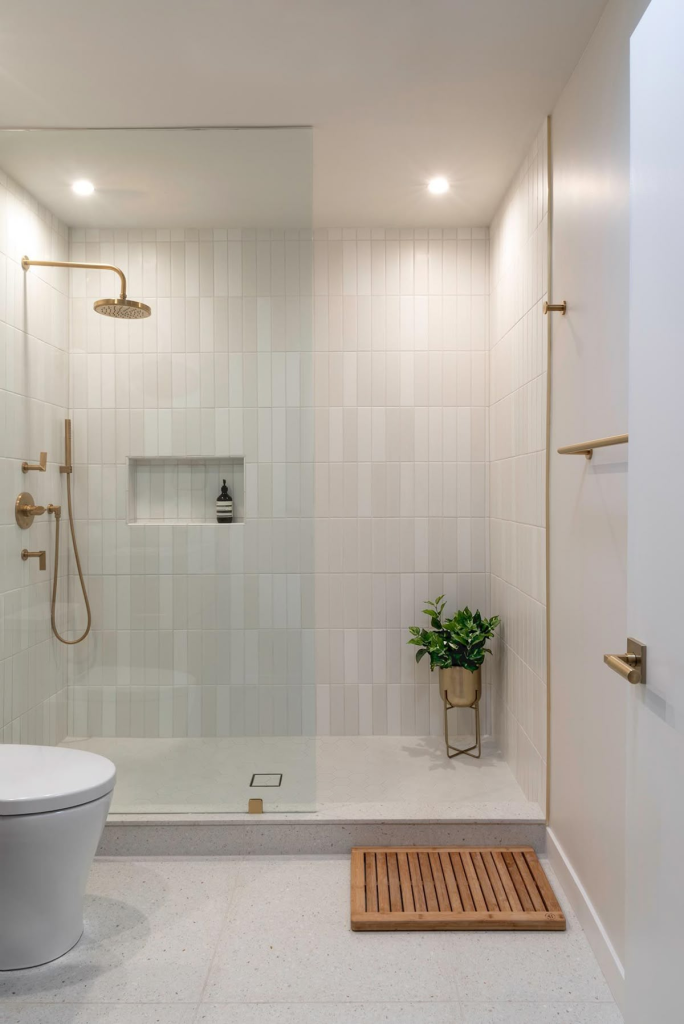
CREDIT: PINTEREST
The Real Cost Breakdown (Let’s Get Honest)
When we say “tub-to-shower conversion,” we mean removing an old bathtub and installing a new shower system in that space. This could be a simple swap or a full rebuild, and prices vary widely. Let’s break it into tiers:
- Basic Conversion (Prefab Insert): This is the entry-level tub-to-shower conversion. The old tub is demolished, and a prefabricated shower stall (fiberglass or acrylic) is installed. In NoVA, you’d pay roughly $4,500–$7,000 for this. That includes the demo and disposal of the tub, minor plumbing work (like hooking up the drain), and installing the pre-made shower pan and wall kit with a standard door and fixtures. It’s the quickest route for contractors, so labor is lower. This is essentially the baseline cost. A tub-to-shower conversion of this type is the starting point for most budgets. You don’t get custom tile or fancy finishes, but it’s sturdy and fast. Think of it as a facelift rather than a rebuild.
- Mid-Range Custom Tile Shower: Stepping up, many homeowners choose a mid-range tub-to-shower conversion. This means building the shower in place: installing cement board on the walls and a pre-formed or mortar shower pan on the floor, then tiling everything with ceramic or porcelain. We’d usually add a custom glass door, a storage niche, and maybe a bench. You get to pick tile color, size, and layout. Because of the extra labor (tiling and waterproofing), this costs more. In Northern Virginia, budget around $8,000–$12,000. For example, one MGS project in Sterling (about 70 sq ft) quoted the new tile shower and glass door at $9,000. The whole bathroom remodel was $26,000, illustrating how quickly costs add up. Many homeowners find this mid-range tub-to-shower conversion to be worth the extra money. You get a significant style upgrade and longevity without going fully luxury.
- High-End / Curbless / Luxury Shower: At the top, premium conversions start around $15,000–$20,000+. Here you’re talking full luxury: floor-to-ceiling stone or quartz tile, frameless glass walls (possibly ceiling height), multiple shower heads or body sprays, built-in seating, even heated floors or linear drains. A barrier-free (curbless) design alone adds cost because the floor must slope precisely without a built curb. In fact, building a custom mortar base for a curbless shower can run $6,000–$10,000+ by itself. Many high-end conversions in Loudoun and Fairfax reach $20k–$30k, depending on size. For instance, we did a master bath in Waterford (~110 sq ft) where the tile shower alone cost $10k (out of a $57k total). In summary, these luxury tub-to-shower conversions include everything from the two levels plus top-of-line materials and features.
The jump between tiers is not just tile vs. kit; it’s the craftsmanship and systems. For each $1,000 you add, you get more custom work. We always remind clients: the workmanship and waterproofing are what really matters for longevity. A tub-to-shower conversion is a serious remodel, not just swapping fixtures.
Major Cost Factors (What Actually Changes the Price)
Below are the main levers that affect price. Think of your tub-to-shower conversion like a car: choosing basic or sports package, small or big size, economy or premium.
- Shower Type: Prefab vs. custom vs. curbless. Prefabricated units (fiberglass/acrylic) are fastest to install, so cheapest labor. Custom tile showers require a lot more work (especially the waterproofing under tile), so labor and expertise are pricier. Curbless (zero-entry) showers are usually most expensive. Why? Without a curb, the floor must be re-sloped – often meaning the subfloor is built up differently. Curbless showers demand extra planning and materials. We always use professional waterproofing membranes (like Schluter or similar) for any shower, but especially custom ones; this ensures your tub-to-shower conversion has no weak points. Bottom line: prefab = least expensive, custom tile = mid-level, curbless = highest.
- Shower Size: Size matters. A shower confined to the original 60″x30″ tub footprint is least costly. If you expand beyond that – say making the shower longer or wider – you’ll pay for every extra square foot. More tile or larger panels = more money. Also, changing walls or widening an opening adds framing work. As a ballpark, a small standard shower might be done for around $1,000–$2,800, whereas a large custom walk-in shower can exceed $4,000 just in materials. Clients learn “big shower = big price” the hard way. So if your design calls for a giant walk-in, expect the final tub-to-shower conversion number to reflect that.
- Materials (Walls/Floor): This is a huge variable. We often give clients a breakdown like:
- Fiberglass/acrylic shower kit – very low material cost. (Often just a few hundred dollars.)
- Ceramic wall tile – about $1–$17 per sqft. Porcelain about $6–$25 per sqft. These are very durable choices.
- Cultured marble/granite panels – $10–$64 per sqft.
- Quartz or natural stone – $50–$100+ per sqft. Remember: a $5 tile and a $50 tile might not seem like a ton on a bathroom floor, but once you tile 50 square feet, it adds up. And – crucially – the labor to install that tile might cost more than the tile itself. So the choice of material (cheap vs. pricey) can easily drive your tub-to-shower conversion budget up or down. For example, choosing a top-tier marble tile could triple the material line item and slow the installers, compared to a basic ceramic tile. We help balance looks and budget here.
- We also factor in fixtures and doors: a simple showerhead runs ~$50, while a premium model (like a rain shower with multiple functions) can cost $200–$900. Shower doors vary widely too: a basic sliding door might be $600–$1,200, whereas a heavy frameless door could be $1,500–$3,000 or more. All these choices add to the total cost of your tub-to-shower conversion, so we help clients select wisely.
- Plumbing Adjustments: Ideally you keep the shower drain and valve in the same place as the old tub. Any change = more cost. For example, if you want to move the drain to the center or add a second showerhead line, a plumber has to run new pipes. In older VA homes, sometimes we find corroded pipes that need replacing. Rough estimates say moving plumbing can add $300–$2,400 to the conversion. In practice, even a small reroute might be a few hundred dollars. We always outline this: if you move plumbing, budget extra. In our quotes, we break out parts like “new valve” and “drain relocation” to show how they add up.
- Labor: This is often the largest portion of the bill. Multiple trades (demolition, plumbing, carpentry, tiling, glass) contribute. In fact, labor can make up 40–60% of a bathroom remodel’s cost. Northern Virginia’s labor rates are above average, so even a skilled handyman costs premium. If you skimp on labor (e.g. hiring a cheap, unknown contractor), you might save upfront but risk sloppy waterproofing or cutting corners. We recommend hiring experienced pros. Yes, a seasoned crew costs more, but they install correctly the first time. Since labor is the big variable, that’s where we emphasize quality: a well-executed tub-to-shower conversion by licensed tradespeople is often worth the extra expense to avoid future leaks.
Each of these factors – shower type, size, materials, plumbing, labor – can swing your price by thousands. We work closely with clients to make choices that meet their needs and budget. For example, if funds are tight, maybe we suggest a simpler tile option or a standard showerhead rather than multiple sprays. The key is transparency: in our detailed quote, we show how each item affects the tub-to-shower conversion total, so nothing feels hidden.
Costs Homeowners Don’t Expect
Even the most thorough planner can get surprised by hidden costs. Here are some common ones in a tub-to-shower conversion:
- Hidden Water Damage: When the old tub and tile come out, you might find mold or rot. It’s surprisingly common. Perhaps years of moisture seeped into the floor. Repairing this (replacing plywood, joists, etc.) can add $500–$3,000+, depending on severity. Always budget a contingency. For example, one client needed ~$2,000 to replace rotten floor joists discovered during the conversion. We always warn homeowners, “assume something will be there.” It’s cheaper to fix it now (as part of the tub-to-shower conversion) than to re-demo a new shower later.
- Structural Modifications: If your shower design extends beyond the original tub footprint, expect extra carpentry. For instance, removing the old curb to make a zero-entry shower means building a new mortar bed and adjusting framing. We usually include basic framing in the estimate, but anything beyond that (like re-leveling floors or raising joists) can cost several hundred more. In short, expanding or altering the shower space (common in curbless designs) comes with additional cost. We account for likely framing tweaks in curbless quotes, but clients should know structural work is a real factor.
- Permits & Inspections: In Northern Virginia, plumbing changes legally require permits. Permit fees vary by county – roughly $200–$800 in many cases (Fairfax’s fees can be higher now). We handle all permitting, but that expense is part of the project. The benefit is you get inspected work to code. Skipping permits might save money up front, but can cause headaches later (failure to pass final inspection, or insurance issues). We include permit fees in our quotes so clients aren’t surprised by an $800–$1,500 bill at the end. Think of permits as a warranty: they ensure your tub-to-shower conversion is safe and legal.
- Disposal & Demolition: The old tub and tile have to go somewhere. If it’s just a light acrylic tub, removal is straightforward. But a heavy cast-iron tub is a bear to haul out. Demolition crews may charge extra time for that. In fact, removing a cast-iron tub alone can cost $500+. Tiling and mortar waste also fill dumpsters quickly. We typically include a disposal fee in our quotes, but if doing this yourself, remember dumpster or dump fees (or labor to haul debris). In a tub-to-shower conversion quote, demo and haul-away are specific line items because of these costs.
- Unplanned Fixture Upgrades: Sometimes clients see a nicer faucet or door mid-project and want to upgrade. Each change inflates the price. We advise finalizing your choices ahead of time. If a client suddenly says “add a rain shower” or “switch to a frameless door,” that can add $500–$1,500 to the job. We’re happy to accommodate changes, but it will revise the tub-to-shower conversion estimate.
- Material Surprises: Sometimes, a certain tile or fixture you picked has a long lead time or special shipping cost. For example, a custom glass shower door might take weeks to fabricate. Delays like that can stretch the schedule and even add storage costs (keeping your bathroom out of commission longer). We try to source in-stock materials or warn clients if there could be delays or surcharges. This is more about time than dollars, but it does indirectly cost money if we have to leave things like open framing for longer.
To avoid sticker shock, we recommend building a 10–20% contingency into your budget for a tub-to-shower conversion. That way, if any of the above surprises crop up, you’re covered without stress. We often tell clients: “Plans change on remodeling jobs — we’ll handle it, but let’s budget smart now.”
DIY vs. Hiring a Professional
If you’re handy, you might wonder, “Can I convert the tub myself?” Let’s compare:
- What DIY Can Do: A very capable homeowner could remove the old tub (once plumbing is capped), paint or tile walls, and install a simple prefab stall. You might save on labor. A full DIY tub-to-shower conversion might cost around $1,390 in parts and materials (for a basic kit, some tile, etc.).
- What DIY Might Miss: The two biggest pitfalls are waterproofing and plumbing. Installing tile is one thing; ensuring zero leaks is another. A proper shower requires waterproof backer board, membranes, and a correct shower pan slope. Even small mistakes (improper caulk, wrong pitch) can lead to leaks weeks later. Also, plumbing work (drain rerouting, new valves) usually requires permits and technical know-how. The average professional quote for the same conversion is about $4,990 — that’s the value of all the expertise. We often quip: “A shower isn’t just tile — it’s a waterproof system.” A leaking shower is a nightmare.
- Risks of DIY: If the shower leaks, you will be fixing it. That can easily cost far more in repairs (sometimes thousands) than what you saved. Also, most DIYers don’t get permits, which can be an issue if you sell the house (inspectors frown on unpermitted plumbing). We’ve seen home warranty claims denied because a DIY conversion was done by the homeowner.
- Why Hire Pros: Our team installs a tub-to-shower conversion in days rather than weekends, and we warranty our work. If something goes wrong (rarely), we’ll fix it at no extra cost. We pull permits and pass inspections. We also carry insurance for all work. Essentially, paying for a contractor means paying for peace of mind. For most clients, that’s worth the difference. In our discussions, many note that while a pro does cost more, the guarantee and time savings justify it.
Quick numbers check: Industry data shows the average DIY conversion ($1,390) is far below the pro job ($4,990). That $3,600 gap is basically the labor and skill costs for a professional. Remember, if you do it yourself, that difference is your sweat equity — which might be great if you have it, but risky if you don’t.
In short: If you have plumbing and tile experience, you might handle parts of it. Otherwise, a tub-to-shower conversion is really a full remodel. We lean heavily on the side of hiring experienced pros for the critical parts. Our motto: “Better done once than redone later.”
How Long Does It Take?
Timing can vary, but here are typical ranges for a tub-to-shower conversion:
- Prefab Shower: About 2–3 days of work. Day 1 demo, Day 2 install, Day 3 grout and finish. We often schedule 4–5 days in the book to include cleanup and any brief waiting (for example, if an inspection is needed).
- Custom Tile Shower: Expect 1–2 weeks total. Demolition and rough plumbing might take 1–2 days. Waterproofing and tiling the walls usually take 3–5 days (tile must set). Tiling the floor/pan adds another day or two. Allow extra for grout curing (24–48 hours) and shower door installation. Contractors typically say they work ~3–4 days on the job and spread it over a week or two. For example, a common scenario is: tear out on Monday, tile walls Wednesday/Thursday, tile floor Friday, and door installed the next Tuesday (after grout cures).
- Full Bath Reno (includes shower): 2–3+ weeks. If your project is bigger – moving walls, replacing fixtures, retiling entire bath – it stretches longer. Also special orders (custom tile, unique shower bases) can add days.
In Northern VA, factor in inspections too. Plumbing rough-in inspection might be in the middle of the job, and final inspection at the end. That can add a day or two waiting. Always ask your contractor for a realistic schedule. We never promise overnight miracles, because cutting corners on drying times or inspections can lead to problems.
Bottom line: a typical tub-to-shower conversion (tile) often takes 5–10 business days of work, done over a couple of calendar weeks. Prefab kits go quicker. We aim to minimize inconvenience (we work hard to keep the area neat and limit noise/dust), but our first priority is quality. So please plan for a couple of weeks and give a little buffer.
Best Time of Year for a Conversion
Your shower project is indoors, so weather isn’t directly an issue. However, contractor schedules and materials availability do vary seasonally:
- Winter (Jan–Feb): Generally slower season. Many homeowners pause remodeling in deep winter, so contractors have more availability. You might get on the schedule faster or see slightly better pricing. If you want work done by spring, consider booking in January/February. Some material suppliers even offer winter discounts on tile or fixtures.
- Spring/Summer: Busy season. Everyone wants their home projects done by the warm months, so schedules fill up fast. If you wait until April–June to start, expect to join a waiting list, potentially delaying your tub-to-shower conversion to summer.
- Fall: Moderately busy. Early fall can be OK before winter holidays hit. Some contractors clear space in fall to finish before year-end.
- Tip: To maximize savings and scheduling ease, it can pay to start in late winter or off-peak times. But if your family has a fixed deadline (like a grandparent visiting or a baby on the way), plan accordingly. In any case, having a few weeks lead time to order materials and get permits is smart.
So: plan early. If your gut says “we want this shower by May”, start planning in January or February (or even call a year ahead). This way your tub-to-shower conversion doesn’t get rushed or bumped.
Is Removing a Tub a Good Idea?
We’re asked this a lot. Here’s our honest take:
- If it’s the only full bathroom, keeping at least one tub might be wise (especially if kids/grandkids live with you). A home with just one shower can scare some buyers.
- If it’s a master bath and you never use the tub, replacing it with a shower is often a great upgrade. It makes your daily routine easier.
- If it’s a secondary or guest bath and you have another tub upstairs, converting the unused tub is usually smart.
- Resale note: Generally, home buyers want convenience. A beautifully done shower in the master bath can actually be a selling point. But we caution: if you keep at least one tub in the house, then converting another is fine.
We always discuss usage patterns with clients. A few have said afterwards they wish they’d done it (or not done it). Our goal is to advise based on how you live, not just push for the latest trend. If you want a spa-like shower everyday, go for the tub-to-shower conversion in your master bath. If you have kids or grandchildren who prefer baths, maybe leave a tub in a hall bath instead. It’s your home, so we let you make the call — we just make sure it’s an informed one.
Frequently Asked Questions
- Is it cheaper to replace a bathtub with another bathtub?
Yes. A straight tub replacement (same location, similar size) skips a lot of steps. You essentially remove old tub, patch subfloor if needed, and install a new tub. You can likely re-use the same plumbing lines. That’s often a few hundred to a few thousand dollars (depending on tub style and tile work). In contrast, a tub-to-shower conversion always involves extra tasks (shower pan, door, new tile, etc.), so it typically starts around $1,500–$3,000 even for a very basic version. Bottom line: swapping tub-for-tub is usually less expensive up front, but you won’t get the benefits of the shower upgrade. - How hard is it to convert?
It’s a significant remodel. You’re changing multiple systems (plumbing, waterproofing, tile, etc.). It requires demolition, structural prep, plumbing/routing, tiling, and finishing. Mistakes aren’t obvious immediately — they show up as leaks over time. We consider it a multi-week project for a reason. In short, it’s not an easy DIY if you want it done right. We encourage most people to hire professionals to avoid headaches down the road. - Will converting to a shower increase my home value?
It can. Modernizing a bathroom typically improves perceived value. Many buyers prefer a new, stylish shower to an old tub. Remodeling reports show mid-range bathroom renovations recoup 70–80% of costs, and a shower refresh is a big part of that. However, the increase in sale price is just part of the story — you and your family get daily enjoyment too. So even if it doesn’t come back dollar-for-dollar, a well-done tub-to-shower conversion can be a smart investment in comfort and appeal. - Can I make the new shower curbless (barrier-free)?
Yes. MGS does many curbless conversions. It’s a popular aging-in-place feature. Just know it costs more than a standard shower because of the floor work needed. You’ll need a carefully built low-profile pan or slab with correct pitch. Typically curbless adds about 10–20% to the shower portion of the budget. But the result is a seamless transition — great for accessibility or a sleek look. We’ll check your subfloor and design a proper solution if this is in your plan.
What a Tub-to-Shower Conversion Looks Like with MGS
We strive to make it straightforward. Here’s our general process for your conversion project:
- Consultation: We begin by learning what you want. You tell us about your space, your style ideas, and your budget. MGS asks you to send bathroom photos and notes on what you like. Then we have a phone and in-home meeting. We listen to your needs — do you want glass walls? A shower bench? Heated floors? We might show you before-and-after pictures of past tub-to-shower conversions to spark ideas. (On our site we say: “Fill out our form and send us pictures… we will get back to you shortly with a phone consultation”.) This step ensures your tub-to-shower conversion starts with a clear vision.
- Design & Material Selection: Based on the consultation, we draft a plan. We bring material samples (tile, glass, fixtures) or use 3D renderings so you can see your future shower. We customize the layout: niche placement, bench size, faucet location, etc. You pick from our catalogs. We revise as needed until you’re happy. During this phase, we also discuss how each choice affects cost. For instance, upgrading to a large rain showerhead or natural stone tile will reflect in the quote. You’ll understand exactly what you’re paying for in your tub-to-shower conversion.
- Detailed Quote: Once design decisions are made, we provide an itemized estimate. We break out all costs: demolition, plumbing, waterproofing, tile per sqft, shower pan, glass door, labor hours, permit fees, disposal, etc. We explain each line so it’s transparent. A good quote will cover every aspect of the tub-to-shower conversion. If something isn’t listed, ask us. We want you to see we’re not adding hidden charges. You’ll know exactly how much a grout job, a sheet of tile, or a shower pan adds to your total.
- Permits & Prep: If needed, we pull permits for plumbing work. That might involve a rough schedule with inspections. Meanwhile, we protect the rest of your home: we lay floor protection, seal off dust, and set up a clear work zone. This keeps dust contained during demo. Think of it as building a stage for the remodel.
- Demolition: We remove the old tub, tile, and any unwanted walls/fixtures. Our crew breaks out the tub (often in pieces) and hauls it off. We also remove the surrounding backer board and floorboard as needed. This is often when hidden damage is found — we check for leaks or mold. If something’s wrong (rotten wood, plumbing leaks), we stop and fix it. We won’t begin the new work on a compromised structure. By the end of this phase, the space is an open shell ready for the new shower.
- Waterproofing & Plumbing: Now we rough-in the plumbing for the shower: moving the drain, installing the new valve body, etc. We pressure-test those connections to ensure no leaks. Next, we apply the waterproofing system. This often means a thick membrane on the floor (or a pre-formed pan) and cement board on the walls, with a second membrane over it. Whatever system (sheet membrane, liquid, etc.) we use, the goal is to create a completely waterproof box. At MGS, we take this seriously. A good colleague once said, “Proper waterproofing is critical — don’t cut corners.” We agree 100%. The tub-to-shower conversion is only as good as this substructure.
- Installation: With waterproofing done, we build the actual shower. If it’s tile: we lay mortar and set wall and floor tiles meticulously, grout each seam, and seal edges. If it’s a prefab system: we fit the pre-made walls and floor snugly, then seal all joints. We install the plumbing fixtures (showerhead, control knobs) and mount the enclosure (the glass door, for example). We also install any extras (grab bars, benches, niches) as planned. Throughout, we clean up daily. You’ll see your new shower taking shape — tiles going up, that frameless door shining in.
- Doors & Finishes: After tile and trim, we attach the shower door (sliding or hinged). We connect the showerhead and trim kit. Then we do final sealing and caulking. We grout if not done already, wipe everything clean. We test the shower — running hot and cold, checking the drain flow, making sure there’s no drip.
- Final Walkthrough: We schedule a walkthrough with you. We demonstrate the features: how to use the fixtures, how to maintain the grout, etc. We check that everything is installed as promised. Only when you’re fully satisfied do we call the job done. As MGS’s website says: “When the last touches are complete, we’ll do a final walkthrough to ensure every detail is spot-on.”. We won’t leave you hanging.
Throughout, our focus is communication and quality. We update you each day on progress and any minor adjustments. And we stand by our work: we are licensed, insured, and provide a warranty on labor. If any issue arises after completion (very rare), we return to fix it.
Our customers appreciate this transparent process. For example, one client raved: “He converted a late 90’s style room with a large Jacuzzi tub into a spa-like room with a large walk-in shower.” We’re proud of transformations like that. In every conversion, our goal is the same: make your bathroom feel brand new and function perfectly.
What Should You Budget?
Let’s put concrete numbers on the board for Northern Virginia:
- Basic Prefab Conversion: Estimate about $5,000–$7,000. This covers removing the tub, installing a standard fiberglass/acrylic stall and door, and hooking up fixtures. It’s an entry-level conversion.
- Mid-Range Custom Shower: Plan on roughly $8,000–$12,000. This range gets you quality tile, a glass enclosure, proper waterproofing, and new fixtures — essentially a solid mid-grade tub-to-shower conversion done right.
- High-End / Curbless Shower: Expect $15,000+. Luxury materials (stone, designer tile), high-end hardware, multiple heads, bench seating, etc., all add to cost. If you want a curbless design or spa features, this is likely your bracket.
These figures align with local experience. In fact, after quoting hundreds of jobs, these ranges consistently reflect the real cost. We recommend budgeting on the higher end of your target to avoid unpleasant surprises. A good rule: don’t skimp too much on the waterproofing or labor line — that’s where major problems hide later.
Remember, the cheapest base price isn’t the cheapest long-term. An ultra-low bid might save a thousand now but cost many thousands later if it leaks. We always say: the cheapest shower isn’t the least expensive in the long run. Investing a bit more now in quality materials and installation usually pays off.
So, where do you fall? If your heart is set on converting the tub to a shower, start with at least $6,000 in your budget. If you want tile work and decent finishes, be ready to spend closer to $10,000. For a no-compromise shower, $15,000 is a safer ballpark. Include a 10–20% contingency for the unknowns we mentioned. With that cushion, you’ll be prepared for anything uncovered during the tub-to-shower conversion process.
We will work with you to tailor the plan to your budget. Our commitment is to be upfront about costs and ensure you know exactly what you’re paying for. We want the final tally to be one fewer thing you have to worry about — especially since you’ll get to enjoy the results every day.
If you’re thinking about converting that old tub into a beautiful new shower, the next best step is to contact MGS Contracting Services. Chris Chapman will personally work with you on your tub-to-shower conversion project. We’ll come to your home, look at the current layout, discuss your style preferences, and give you a clear, written estimate — no guesswork.
We serve Loudoun County, Fairfax County, and surrounding areas (Leesburg, Ashburn, Sterling, Herndon, Reston, Vienna, Great Falls, etc.). MGS is fully licensed and insured. We pride ourselves on transparent pricing and top-notch craftsmanship. Our promise: no surprises, just quality work.
Ready to transform your bathroom? Schedule a consultation with MGS today. We can usually provide a ballpark on the spot after seeing your space. You’ll get straightforward answers about your tub-to-shower conversion and what it will take. No pressure — just honest advice.
Imagine stepping into your shower and feeling like it’s a spa each morning. We’ve done dozens of tub-to-shower conversions right here in Northern VA, and we’d love to do the same for you. Contact MGS Contracting Services now and let’s talk about making your bathroom work better for you.
- Tub-to-Shower Conversion Expertise: We have converted many tubs into showers in NoVA.
- No Surprises: Our quotes cover all costs for your tub-to-shower conversion project.
- Friendly Service: We pride ourselves on clear communication about your tub-to-shower conversion at every step.
- Licensed & Insured: Your tub-to-shower conversion will be done right the first time.
- Local Specialists: We understand Northern VA permitting and code for your tub-to-shower conversion.
- Satisfaction Guarantee: We ensure your tub-to-shower conversion meets your expectations.
- Complimentary Consultation: We’ll evaluate your project and discuss your tub-to-shower conversion in detail.
- Transparent Pricing: No hidden fees in our tub-to-shower conversion quote.
- Quality Materials: We use brands we trust for your tub-to-shower conversion.
- References: Ask us for examples of past tub-to-shower conversion projects in your area.
- Value: A properly done tub-to-shower conversion boosts daily enjoyment of your bathroom.
- Long-Term: A well-built tub-to-shower conversion will last for years, unlike shortcuts.
Contact us today, and let’s plan your tub-to-shower conversion with confidence and care. We look forward to working with you!