
Winter Is Prime Time for Home DIYs
As a former Marine turned remodeler, I always feel like winter is prime time for a little home improvement. The days are shorter and we’re spending more hours indoors – why not use some of that time to tackle a few easy DIYs around the house? Winter is the perfect season to roll up your sleeves, learn new skills, and make your home cozier and more functional. Whether you’re a complete beginner or an experienced weekend warrior, these easy DIYs are approachable for all skill levels and will give you big returns in comfort and pride.
Think of it as winter workshop season. Instead of going stir-crazy on a snowy weekend, you could be building a shelf or repainting a room trim. Each project on this list of easy DIYs will teach you something new about your home and give you the confidence to handle bigger tasks down the road. Best of all, you’ll get the satisfaction of saying “I did it myself!” when you admire the results. Let’s dive into ten easy DIYs you can teach yourself this winter – and trust me, if I can learn these skills, anyone can. Grab your coffee, put on some good music, and let’s get to work! Easy DIY
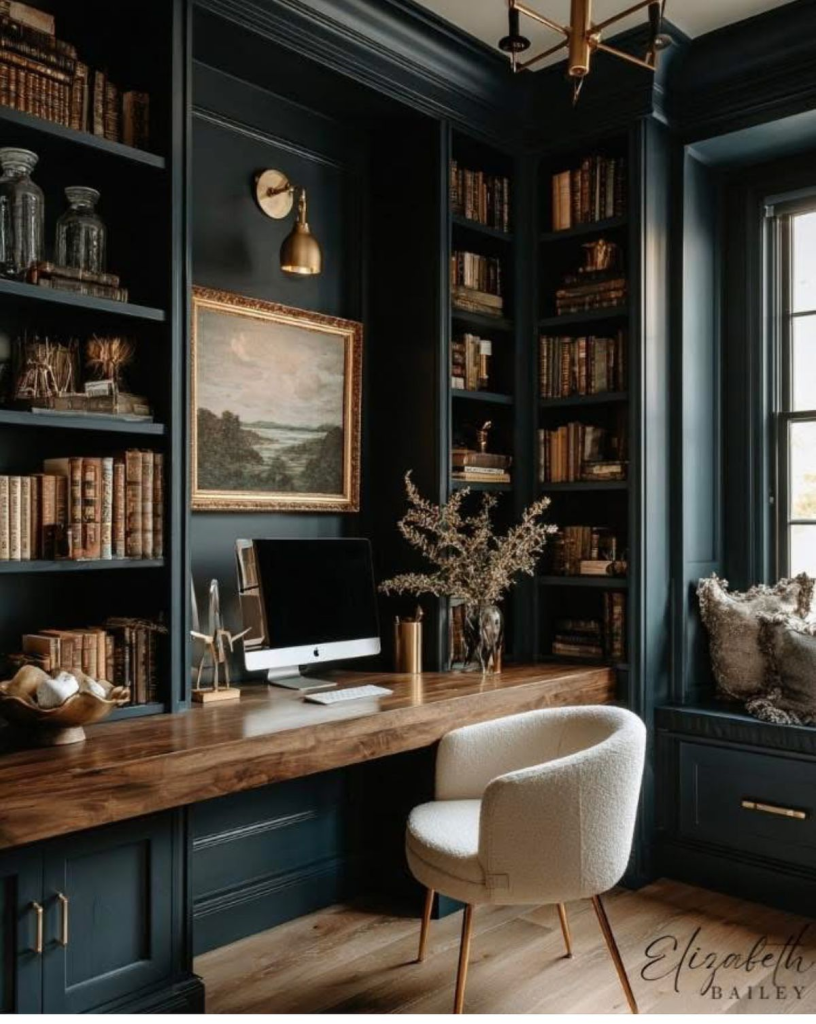
CREDIT: ELIZABETH BAILEY
1. Build Custom Storage Cubes Easy DIY
Building your own storage cubes allows you to customize the size and finish. This DIY cubby shelf unit with multiple storage cubes is a perfect example of an easy, functional winter project. Easy DIY
Building a set of custom storage cubes is an easy DIY woodworking project that’s perfect for a chilly weekend in the garage. Why buy generic storage shelves when you can make your own cubbies tailored to your space? With some basic materials and tools, you can create cube-shaped shelves or open boxes that neatly organize books, toys, or winter gear. This small-scale project teaches you fundamental carpentry skills like measuring, cutting, and simple assembly – all without being too overwhelming for a first-timer. Easy DIY
Why it’s great for winter: Storage cubes are compact, so you can build them in a limited space like a garage or even an apartment living room. There’s no need to be out in the elements – you can measure and cut your wood indoors (or on a covered porch) and do the assembly inside where it’s warm. By the time spring comes, you’ll have new DIY cubbies ready to declutter your closets, entryway, or kid’s room. Easy DIY
What you’ll learn: You’ll practice using a saw (even a hand saw or jigsaw works for this easy DIY), a drill or screwdriver, and maybe a sander. It’s a hands-on lesson in planning and following through a project. You’ll learn to measure wood accurately, make straight cuts, and join pieces together securely using screws or nails. These basic skills are the foundation for many other easy DIYs down the road. Easy DIY
Chris’s tip: Use 3/4-inch plywood or common pine boards to build your cubes. Cut out equal squares for the sides and back, and slightly larger pieces for the top and bottom if you want them to overlap the sides for a nice finish. Sand all the edges smooth (nobody likes splinters!), and then either stain the wood for a rich look or paint the cubes a bold color to add some personality. Pro Tip: You can even add a coat of polyurethane or sealer if you stained the wood, to protect your new cubes from scuffs. Build two or three cubes and stack them, or line up several for a DIY cubby unit. They’re fantastic for organizing a mudroom, displaying kids’ toys, or storing winter accessories by the front door. Easy DIY
The best part of this easy DIY is that you end up with custom storage that fits your needs. Need cubes to fit into that oddly-sized nook in the basement? Build them to size. Want a certain color that matches your décor? You’re the designer here. It’s a fun winter woodworking project that yields something useful – and it might even spark your interest to take on bigger furniture builds later. Plus, when someone admires your shelves, you get to proudly say you made them yourself. Easy DIY
2. Paint Your Baseboards Like a Pro Easy DIY
You’d be amazed how a fresh coat of paint on baseboards and trim can make a whole room look cleaner and more polished. Yet, painting baseboards is one of those easy DIYs many homeowners overlook. Winter is an ideal time to tackle this indoors task – it instantly brightens your space without the need to open all the windows (just crack one or two for ventilation). With a bit of patience and the right technique, you can teach yourself to paint trim with crisp, professional-looking results that will upgrade your room’s style. Easy DIY
Why it matters: Trim and baseboards might not be the first thing guests compliment, but they definitely notice if it’s dingy or scuffed. Repainting your baseboards is an easy, budget-friendly project that gives a room a finished, high-end look. Clean, white (or boldly colored) baseboards that contrast with your wall color can really pop. This easy DIY project instantly elevates the elegance of any space, from hallways to living rooms, making everything feel fresh and new. Easy DIY
The challenge: Painting baseboards requires a steady hand and a bit of patience. It’s not physically hard – in fact, it’s quite beginner-friendly – but the key is going slow and focusing on the details. Unlike rolling paint on a big wall, trim work is all about clean lines. Don’t worry, this is a great skill for any home painting project and you’ll get better as you go. Put on some music or an audiobook, and you might even find the process relaxing.
Tools and prep: Gather an angled sash brush (usually a 2-inch angled paintbrush works great for cutting in on edges), painter’s tape, and a drop cloth or old sheet to protect your floors. Vacuum or wipe down your baseboards first to remove dust and pet hair – paint won’t stick well to a dirty surface. If you see any dents or gouges in the wood, you can fill them with a little wood filler and sand smooth once it’s dry. Then, use painter’s tape to mask off where the baseboard meets the wall (and along the floor if needed) to ensure a sharp line. This prep work might take a bit of time, but it makes the painting part much easier and yields pro results.
Now you’re ready to paint. Use a high-quality trim paint (typically a semi-gloss or satin finish which is durable and easy to clean). Dip your angled brush lightly and tap off excess paint – you don’t want drips. Apply the paint in long, smooth strokes along the length of the baseboard. Pro Tip: “Use long strokes with even pressure — this isn’t a race.” In other words, take your time and don’t overload the brush. It’s better to do two thin coats of paint than one thick, drippy coat. The angled brush will help you get right up to the edge of the tape or floor for a clean line. Easy DIY
Work in sections, and keep a damp rag nearby to immediately wipe up any little oopsies if you hit the wall or floor. After the first coat, let it dry according to the paint can (usually a couple of hours). Then do a second coat for solid, even coverage. When you peel off the painter’s tape (do this carefully before the paint is fully cured, usually after a few hours but not days later), you’ll reveal a sharp, professional-looking edge. Painting baseboards is an easy DIY that builds your painting prowess. After this, you’ll feel more confident to tackle full room painting or other detail paint projects. Plus, every time you walk into the room, you’ll notice how crisp everything looks. Easy DIY
3. Install USB Wall Outlets Easy DIY
A modern electrical outlet upgraded with built-in USB charging ports – an easy DIY upgrade that adds convenient charging spots in your home. Easy DIY
Tired of everyone in the family fighting over those little USB charger bricks or having a tangle of devices in the kitchen? Upgrading a few of your standard outlets to modern USB wall outlets is an easy DIY that can seriously declutter your charging stations. Imagine plugging your phone or tablet directly into the wall without a bulky adapter – that’s the convenience you can achieve in an afternoon. It’s a straightforward electrical project that even a novice can handle safely by following instructions and basic precautions. Easy DIY
Why do this? Replacing an old outlet with a new one that includes USB ports instantly modernizes your home. It’s one of those subtle quality-of-life improvements that guests will notice and appreciate (“Oh wow, they even have USB outlets!”). By freeing up the regular 120V plugs for lamps or appliances, USB outlets make charging devices more efficient. Think about the kitchen counter, nightstands, or your home office – wherever you usually pile up phones and tablets to charge, an easy DIY outlet swap will make life a bit easier. Easy DIY
What you’ll learn: If you’ve never done any electrical work, installing a USB outlet will teach you the basics of how outlets are wired. Don’t worry, you’re not rewiring the house – you’re simply swapping out the receptacle. You’ll see that a standard outlet has a hot (live) wire, a neutral wire, and a ground wire attached to it. The USB outlet has terminals for the same wires, plus it packs some electronics inside to run the USB ports (but that part is all built-in; you don’t have to fuss with it). After doing one, you might feel like a wiring wizard and get the confidence to replace other outlets or light switches in the future. Easy DIY
Safety first: Before doing any electrical DIY, always turn off the power at the breaker for the circuit you’re working on. This is non-negotiable! Locate your home’s breaker panel and flip off the switch controlling that outlet (if unsure, turn off the main power to be extra safe). Double-check by plugging in a lamp or using a voltage tester in the outlet to ensure it’s truly dead. Once that’s confirmed, you’re good to proceed without any shocks. This easy project will have you working with wires, but as long as the power is off, it’s perfectly safe. Easy DIY
Now, the installation steps are pretty easy DIY material: Unscrew the old outlet’s faceplate, then unscrew the outlet itself from the electrical box. Gently pull it out with the wires still attached. You’ll see the wires connected to screws or push-in connectors on the outlet. Loosen the screws to remove the wires (remember which goes where – usually the black or red is hot, white is neutral, and green or bare is ground). Many USB outlets come with clear instructions on where to attach each wire on the new device. Usually, you attach the hot (black) wire to a brass or gold screw, the neutral (white) to a silver screw, and the ground (copper) to the green screw. Easy DIY
Once you hook up the new outlet, carefully tuck the wires back into the box (neatly, so nothing gets pinched) and screw the outlet into place. Finally, attach the new wall plate, restore power at the breaker, and voilà! You’ve got a slick new charging spot. Chris’s note: “You’ll feel like a wiring wizard after this one — and your guests will notice.” Indeed, completing this easy DIY successfully can make you more confident about tackling other simple electrical upgrades, like smart switches or dimmers next. Easy DIY
Just remember: if at any point you feel unsure, there’s no shame in pausing the project and consulting an electrician or a knowledgeable friend. But truth be told, changing an outlet is one of the safest electrical projects if the power is off. Take your time, follow the instructions that come with the outlet, and you’ll upgrade your home’s functionality in under an hour. Modern convenience, here you come! Easy DIY
4. Add a Bold Accent Wall Easy DIY
Sometimes a room just needs a pop of personality, and a bold accent wall can deliver that in a big way. The dead of winter, when you’re stuck inside staring at your walls, is the perfect time to transform one of them into a focal point. This is a fun and easy DIY that lets your creativity shine. With a little paint — or even peel-and-stick wallpaper — you can turn a plain wall into a conversation piece. The best part is that an accent wall is limited in scope (usually just one wall), so it’s a manageable project for a weekend and not as committing as repainting the entire room or wallpapering the whole house. Easy DIY
Transform any space: Think about which room could use a lift. It might be the dining room that feels a bit bland, your home office backdrop for those video calls, or a bedroom wall behind the headboard. By adding color or pattern to one wall, you create a focal point that draws the eye and adds depth to the space. For example, painting one wall a rich navy blue or a warm terracotta can make the room feel designed and intentional. And since only one wall is being done, this easy DIY won’t overwhelm you or require gallons of paint. Easy DIY
Three creative routes: You have a few options for your accent wall, and none of them require pro skills:
- Bold paint color: The simplest method – choose a color that contrasts or complements the rest of the room. If your walls are a neutral gray, maybe a deep teal or cheerful yellow on one wall would look great. One can of paint and you’re set. Easy DIY
- Geometric design with tape: Feeling artistic? Use painter’s tape to lay out a cool geometric design. You could do diagonal color blocks, chevron patterns, or even a simple two-tone wall with a stripe separating the colors. Paint within the taped sections, let it dry, then peel to reveal sharp lines. It’s like creating your own wall art. This is an easy DIY approach to getting a mural-like effect without freehand painting skills.
- Peel-and-stick mural or wallpaper: If painting isn’t your thing, there are amazing peel-and-stick wall coverings out there now. From botanical prints to brick textures to full-on murals, these wallpapers go up with no paste required and come off cleanly if you ever change your mind. You just peel the backing and stick them on the wall like a giant sticker, smoothing out bubbles as you go. It’s a one-person job (though a helper is nice for handling large pieces). This method might take some patience to line up patterns, but it’s very forgiving as a DIY project. Easy DIY
Design inspiration: In our remodeling projects at MGS Contracting, we often include accent walls to give rooms character. I’ve seen plain living rooms completely transformed by one wall of rich color behind built-in shelves, or a bland bedroom turned cozy by a textured wood panel accent wall. You could even combine techniques: for instance, paint the wall a base color and then add a peel-and-stick geometric decal design on top. Keep it simple if it’s your first time – even a single color will have a dramatic effect. Easy DIY
Chris’s tip: “Keep it simple — use painter’s tape to section off clean lines.” If you’re doing a pattern, measure and level your tape lines so everything is neat. For example, to do a two-tone wall, you could tape off the top half and paint it one color, then do the bottom half in another color for a classic wainscoting effect (without any woodwork!). Or create a large triangle or diamond pattern with tape and fill in different sections with contrasting colors. When you peel away the tape, you’ll have crisp shapes that look like custom art. Easy DIY
An accent wall is an easy DIY because it’s just one wall – you can experiment and, if it’s not to your taste, it’s also easy to repaint later. So go bold! It’s a low-risk, high-reward project. By the time friends come over (or Zoom in) to see you, they’ll be greeted by a fresh, stylish new backdrop that you can proudly say you did yourself. Easy DIY
5. Replace Outdated Hardware Easy DIY
Here’s one of the quickest easy DIYs that delivers a big visual upgrade: swapping out old, outdated hardware on your cabinets and doors. Think about those tired kitchen cabinet knobs from 1995, or the shiny brass bathroom drawer pulls that have seen better decades. Replacing them with modern hardware (maybe brushed nickel, matte black, or a trendy bronze) can make your cabinets or furniture look brand new. And it requires almost no technical skill – if you can use a screwdriver, you can handle this DIY. Easy DIY
Big visual return, low effort: In the world of quick makeovers, new hardware is king. Especially in kitchens and bathrooms, the handles and knobs are like the jewelry of your cabinetry. Updating them can shift the style from outdated to contemporary in an afternoon. It’s gratifying how such a simple change – truly an easy DIY taking just minutes per handle – can refresh the entire room’s appearance. And hardware isn’t very expensive either; you can find great pieces at any home improvement store or online. Easy DIY
What to replace: Walk through your home and take inventory. Common hardware candidates for replacement include: Easy DIY
- Cabinet knobs and drawer pulls in the kitchen, bathroom, or on furniture like dressers (swapping from dated knobs to a new style immediately modernizes the piece). Easy DIY
Easy DIY - Door handles on interior doors (maybe those old brass knobs could become modern black matte knobs or sleek levers). Easy DIY
- Hinges if they are visible and mismatched, or consider adding soft-close hinges on cabinets as a bonus upgrade to stop the slamming.
- Even towel bars or toilet paper holders can be considered hardware upgrades if you want everything to match a new finish theme.
For cabinets, if you’re moving from a knob to a pull (which has two screws), you’ll need to measure and possibly drill a second hole, but many pulls are made to standard sizes that match old holes or come with templates. If you’re sticking with one-for-one replacements (a knob for a knob, a pull for a pull with the same hole spacing), it’s a super simple unscrew-screw job.
How-to (in a nutshell): Open the cabinet door, hold the existing knob from the front and unscrew it from the back. Remove the knob and its screw. Pop the new knob in place and tighten the screw. Done! For a drawer pull with two screws, do the same: from inside the drawer, unscrew both ends, remove the old pull, then attach the new pull with its screws. It’s all straightforward — truly an easy DIY anyone can do. A multi-bit screwdriver can speed things up since different hardware might have Phillips or flathead screws.
Truly, it’s one of those quick easy DIYs that deliver a dramatic upgrade without much time or money. You’ll not only improve the aesthetics of your space but also get hands-on experience using basic tools. After doing a kitchen’s worth of knobs, you might be eyeing other small upgrades with newfound confidence. Next thing you know, you’re saying, “What else can I easily upgrade in this house?”
Chris’s advice: “Keep old hardware until the new install is complete — just in case.” Why? Because every so often you might discover a missing screw or a misalignment with the new pieces. It’s good to have the old hardware as a backup until you know the new ones are all fitted correctly. Also, when you remove hardware, toss all the screws in a bowl so you don’t lose any. Most new knobs come with their own screws, but occasionally they’re the wrong length for your cabinet doors or drawers – if that happens, you can reuse an old screw or make a quick trip to the hardware store.
Replacing hardware is such an easy DIY that yields a huge sense of satisfaction. Truly, it’s one of those quick easy DIYs that deliver a dramatic upgrade without much time or money. You’ll not only improve the aesthetics of your space but also get hands-on experience using basic tools. After doing a kitchen’s worth of knobs, you might be eyeing other small upgrades with newfound confidence. Next thing you know, you’re saying, “What else can I easily upgrade in this house?”
6. Learn the Basics of Plumbing
Plumbing might sound intimidating, but trust me, a few basic plumbing tricks are well within the reach of any homeowner. In fact, learning how to handle small plumbing fixes can save you a ton of money and stress in the long run. We’re not talking about re-piping your house or installing a toilet from scratch (leave the big stuff to the pros). Instead, start with some easy DIYs like replacing a faucet, unclogging a sink, or swapping in a new shower head. These bite-sized projects teach you how things are put together and give you confidence to tackle minor leaks or repairs before they become big problems.
Save money and avoid emergencies: Think of how many times a plumber gets called for something as simple as a clogged drain or a dripping faucet. With a little know-how, you can often fix these yourself in the time it would take for a plumber to arrive, and for a fraction of the cost (usually just the price of parts). By doing these easy DIY plumbing tasks now, you’ll be better prepared to handle issues when they arise. No more panic when the sink is backed up – you’ll know exactly what to do, or at least how to buy time until a pro can help.
Entry-level projects to try:
- Replace a faucet: Is your bathroom faucet leaky or just out of style? Changing it out is a manageable DIY. You’ll learn to turn off the water valves under the sink, loosen the old faucet’s connections, and put in a new faucet (most come with instructions). This teaches you about supply lines, rubber gaskets, and that handy tool called a basin wrench (which is a lifesaver for tight spots under sinks). When you’re done, no more drip-drip, and you have a shiny new fixture to admire.
- Unclog a sink drain: Before you dump harsh chemicals down the pipe, try the manual approach. A plunger is one tool – a few vigorous plunges can often free a minor blockage in a sink or tub. Another method is to clear the P-trap (that U-shaped pipe under the sink). Place a bucket underneath, unscrew the connectors on each end of the trap, and dump out the gunk (prepare to be a bit grossed out, but victorious!). Rinse it and screw it back on – you’ve likely solved the clog. This easy DIY fix often clears slow drains and also teaches you how the drain pipes fit together.
- Swap a shower head: This might be the easiest plumbing upgrade ever. Most shower heads simply screw onto the shower arm (the pipe coming from the wall). Use an adjustable wrench to loosen the old shower head (turn counter-clockwise), clean off any old plumber’s tape from the threads, then wrap a few turns of fresh plumber’s tape (Teflon tape) on the threads of the pipe. Screw on the new shower head by hand and tighten gently with the wrench. Done! In 10 minutes, you’ve upgraded your shower experience, maybe to a rain shower or a high-pressure massage head. It’s an easy DIY that can make your mornings a bit brighter.
What you need: A basic plumbing toolkit for beginners might include an adjustable wrench, a pair of channel-lock pliers, a basin wrench for faucets, plumber’s tape, and a small bucket and towels for spills. Having these on hand will cover most small tasks.
Veteran insight: “Plumbing teaches problem-solving. You’ll feel more confident tackling bigger systems later.” It’s true – once you successfully, say, replace a faucet, you demystify how water gets to your fixtures and how the parts all connect. The next time your toilet is running constantly or the dishwasher isn’t getting water, you won’t immediately panic. You’ll understand where to shut off water, how to inspect seals and washers, and you might even fix it on your own. Plumbing, perhaps more than other DIY areas, gives you that I can conquer anything attitude because water issues are what homeowners often fear most. By starting small, you build that confidence.
Remember, always turn off the water supply valves before any plumbing work, and have that bucket handy to catch any residual water. Also, it doesn’t hurt to watch a quick tutorial or follow the instructions that come with new fixtures – they usually have clear diagrams. At the very least, you’ll become the hero who can say, “Oh, the sink is clogged? No worries, I got this easy DIY under control.”
7. Add Dimmer Switches for Ambiance
Lighting can completely change the mood of a room, and being able to dial your lights up or down easily is a luxury you can affordably add yourself. Installing a dimmer switch in place of a standard light switch is one of those easy DIYs that brings both ambiance and energy efficiency. Imagine your dining room chandelier softly glowing during a cozy winter dinner, or your living room lights dimmed for a movie night – dimmer switches make that possible with a slide or a turn of a knob. They’re one of those upgrades that once you have, you’ll wonder how you did without.
Why it’s worth it: Aside from setting a mood, dimming lights can also save electricity and extend the life of your bulbs (especially if you’re still using incandescent bulbs – which last longer when not run at full power). Even with LEDs, which are very efficient, having the flexibility to reduce brightness is great. Maybe you want bright light for reading, but something softer for relaxing. A dimmer gives you range. Plus, many smart home systems and modern fixtures assume you might use dimmers, so it’s a nice little modernization. This easy DIY pays off every time you reach for the light switch.
Where to use dimmers: Common places to install dimmer switches are living rooms, dining rooms, bedrooms, and even bathrooms (think relaxing bath time with the lights down low). Basically any place you’d like the option of softer light sometimes. However, skip dimmers for outlets or for ceiling fans (fans need their own specific controls and shouldn’t be put on light dimmers). Also, if a light is controlled from two different switches (called a 3-way circuit), make sure you buy a 3-way compatible dimmer for that setup.
How to DIY it: If you’ve already tackled the USB outlet or have basic electrical understanding, a dimmer switch install is nearly identical in process. Start with the golden rule: power off at the breaker for that circuit! Use a voltage tester on the switch wires to double confirm no power. Remove the existing switch cover plate and unscrew the old switch from the electrical box. You’ll see two wires attached (for a simple single-pole switch) plus maybe a ground wire. Note which wire goes to which screw (or take a photo). Typically one is the “hot” from the power source and one goes to the light fixture.
Now take your new dimmer switch. Many modern dimmers have wires coming out of them (instead of screw terminals) which you will join to the house wires with wire connectors (the twist-on caps). Connect the hot wire to the dimmer’s hot lead (often black), the output wire to the dimmer’s other lead (usually red), and connect the ground (green or bare wire) to the green lead or ground screw on the dimmer. If it’s a 3-way dimmer, there will be an extra wire – follow the instructions for which wire is the common. For a single-pole, it’s straightforward: two wires plus ground.
Once connected, carefully tuck the wires back in (dimmers can be a bit bulkier than standard switches, but there should be room). Screw the dimmer switch into place. Attach the new faceplate (which might be a rocker style with a slider, or a dial, etc., depending on your dimmer’s design). Turn the power back on and test it out. Slowly slide or turn the dimmer and watch the lights go from bright to cozy. It feels pretty empowering to control the vibe of your room with a dimmer you installed yourself.
Chris’s tip: Match the dimmer to your bulb type. If you use LED bulbs, make sure the dimmer is LED-compatible. Using the wrong type can cause bulbs to flicker or not dim properly. Luckily, most newer dimmers work with LED and CFL as well as incandescent, but it’s something to note when you shop. Also, remember, as with the USB outlet, always cut power at the breaker and double-check before touching wires. Safety first!
This is an easy DIY that might take 15-30 minutes per switch once you get the hang of it. And it yields a touch of luxury in your home. Soon you’ll be sipping hot cocoa under softly dimmed lights, enjoying that perfect ambiance you created.
8. Build and Mount a Pegboard
If you’re craving some organization in your workshop, home office, or even your kitchen, a wall-mounted pegboard can be a game-changer. It’s essentially a board with a grid of holes that you can hook things into – super versatile for hanging tools, craft supplies, or utensils. The good news is that installing a pegboard is an easy DIY that combines a bit of simple carpentry with some creative organizing. In a few hours, you can create a custom storage solution that gets your stuff off the counters or floor and neatly onto the wall.
Perfect for: Workshops (hang your tools like a pro), home offices (organize stationery or gadgets), craft rooms (keep your art and sewing supplies tidy), laundry rooms (hang brushes, brooms, spray bottles), or even entryways (set up a pegboard with hooks for keys, dog leashes, and sunglasses). Basically, any area that could use vertical storage and a bit of visual interest can benefit from a pegboard. You might have seen those Instagram-worthy offices with a pastel-painted pegboard full of cute baskets and plants – that could be your home!
How to build and mount: You can buy pre-cut pegboard panels at a hardware store (commonly a 2×4 ft or 4×4 ft sheet of perforated hardboard). The key to mounting a pegboard is giving it a little space from the wall so the hooks can go in. You achieve this by using strips of wood (often called furring strips, e.g., 1x2s) as spacers behind the pegboard.
- Measure and mark: Figure out how big a pegboard you want and where it will go. If you have studs in convenient spots, great – you’ll anchor your strips there for maximum strength. Mark the wall where the top and bottom of the pegboard will be.
- Attach furring strips: Cut 1×2 wood strips slightly shorter than the width of the pegboard. You’ll need one near the top and one near the bottom (and one in the middle if it’s a large board). Using screws, secure these strips horizontally on the wall where you marked, ideally into wall studs. If you can’t hit studs, use heavy-duty drywall anchors for the screws so it can hold weight. Now you have horizontal wood slats on the wall.
- Secure the pegboard panel: Lift the pegboard up and press it against the strips. Make sure it’s level. Drive screws with large pan heads (or use washers on regular screws) through some of the pegboard holes into the strips behind. Put a screw every few inches along the top and bottom, and a couple in the middle strip if you have one. This holds the pegboard flat and sturdy.
- Finish it up: You can leave the pegboard as-is (most are brown or white). Or take it down and paint it a fun color to match your decor, then re-hang it. You could even frame the edges with some trim for a more polished look. Since it’s winter and you might have time, adding a coat of paint can make your pegboard look like a deliberate design element rather than just storage.
Chris’s creativity: “Try painting it the same color as your walls for a clean, custom look. It’s utility meets design.” Indeed, a pegboard doesn’t have to look utilitarian. If your wall is blue, a blue pegboard will blend in and make your tools or items stand out almost like art. Or paint it a contrasting color to make a bold statement.
Using your pegboard: Get a set of pegboard hooks and accessories (they usually sell kits with assorted hook shapes, holders, and small shelves). Now have fun organizing! Hang your wrenches, hammers, and screwdrivers in the workshop, or your scissors, ribbons, and paintbrushes in the craft room. The beauty is you can rearrange hooks anytime. One week the layout can change to accommodate a new tool or project. It’s an organizer’s dream because it’s so flexible.
By building and mounting a pegboard, you’ve not only learned some basic carpentry (measuring, drilling, anchoring) but also added a ton of flexible storage to your home. Everything will be within sight and reach, nicely organized. And you did it yourself, cheaply and easily, during an otherwise slow winter day. That’s a win for both form and function – all thanks to an easy DIY idea.
9. Learn to Tile Like a Contractor
Laying tile might seem like a job best left to professionals, but you might be surprised at how easy the basics are to pick up. With the right materials and a bit of practice, tiling a small area is absolutely one of those easy DIYs you can master this winter. Think of a modest project like a kitchen backsplash, a bathroom vanity surround, or a section of entryway floor. Starting with a manageable size will teach you the techniques without feeling overwhelmed. And if you get good at it, you’ll have a truly valuable skill for larger home renovations down the line.
Start small: Choose an area like a kitchen backsplash (often just a few square feet of wall) or maybe a strip of wall behind a bathroom sink. Even a single row of decorative tiles as a border can be a great beginner project. You probably don’t want to begin with a whole shower or a large floor as your first attempt. By tiling a backsplash or a fireplace hearth, for instance, you’ll learn the process on a smaller scale. Consider it a practice run – once you know how to lay out, set, and grout tiles on a small project, you can handle bigger ones with confidence.
What you’ll learn: There are a few steps to tiling, and each is straightforward:
- Layout: Before any adhesive comes into play, you plan your tile layout. This means measuring the area, deciding on a pattern (straight grid, staggered subway, diagonal, etc.), and figuring out how the tiles will land at the edges. A good rule is to avoid having sliver-thin cuts at the ends – you achieve this by centering the layout or adjusting your starting point. Dry-fit a row of tiles or use a laser level to envision the layout. Getting the layout right is half the battle and ensures a professional look.
- Thinset application: Thinset is the tile mortar that sticks the tile to the surface. For a small project, you can use a pre-mixed tub of thinset (no need to mix from powder). You’ll use a notched trowel to spread it on the wall or floor section by section. The notches (use the trowel size recommended for your tile) create grooves that ensure an even thickness when the tile is pressed in. It’s a bit like icing a cake, then combing it with a serrated tool. You’ll learn how to hold the trowel at an angle to get uniform ridges.
- Placing tiles and spacers: Now you press the tiles into the thinset. Start at a fixed reference line (often the center or an edge) and work outward. As you set each tile, insert plastic spacers between it and its neighbors to maintain equal grout lines (common spacer sizes are 1/8” or 1/16”, depending on the look you want). These little spacers are your best friend – they keep everything lined up perfectly. You’ll quickly get the hang of checking that tiles are level with each other and adjusting if one sits a bit high or low (just press or wiggle it down).
- Cutting tiles: When you reach edges or obstacles (like outlets on a backsplash), you’ll need to cut tiles to fit. There are simple score-and-snap tile cutters for straight cuts, or you can use a tile saw (you can rent one for a day). For beginners, ceramic subway tiles are great because they’re easy to cut. You’ll measure the gap, mark the tile, and cut it to size. Cutting is probably the most challenging part, but with practice on a couple of scrap pieces, you’ll become comfortable. Even irregular cuts (for around pipes or odd shapes) can be done with tile nippers or a hole saw bit.
- Grouting: After the tiles are all set and the thinset has cured (usually 24 hours), you’ll fill the gaps with grout. This really makes the project look finished. Spread grout with a rubber float, pressing it into the lines. It will cover the tiles in a hazy mess at first – don’t panic. After filling all the joints, wipe the excess grout off the tile surfaces with a damp sponge, repeatedly rinsing the sponge. As the grout dries, a haze will form; buff it off with a soft cloth. Ta-da! Your tiled surface will look beautiful with crisp grout lines. You’ll want to seal the grout after a few days to protect it from stains (especially in kitchens).
Chris’s encouragement: “It’s easier than it looks — and once you master tile spacers, the rest flows.” Indeed, tile spacers take the intimidation out of tiling. They ensure you get uniform gaps without having to eyeball everything. By the end of a small tiling project, you’ll be amazed at what you accomplished. It might even inspire you to try a bigger tile job next time, like a full bathroom floor or a shower surround.
This easy DIY project not only improves a part of your home aesthetically but gives you a taste of a true renovation skill. You’ll likely find tiling is kind of like doing a life-size puzzle with an adhesive element involved. It’s meticulous but satisfying work. And the next time you see a tiled backsplash or floor, you can think, “I could do that!” Because, really, you can.
10. Finally Hang Those Pictures
Every home feels more welcoming and “finished” when the pictures and artwork are up on the walls. Yet so many of us procrastinate on hanging our art and family photos – I get it, it can be a bit of a puzzle to get everything just right. But hanging pictures is one of those easy DIYs that you’ll be so happy you did. With a few basic tools and tricks, you can create a lovely gallery wall or simply put up that one special painting above the sofa. Winter is a great time to do it: you’re indoors and you can take your time to plan out an arrangement you love.
Why this matters: Blank walls can make a room feel impersonal, while art and photos bring character and warmth. By finally hanging those pictures, you’ll make your space feel truly yours. It’s also an instant upgrade – framed art at eye level draws attention and can tie together the colors or theme of a room. Plus, seeing your favorite photos or paintings daily can boost your mood (much needed in the winter months!).
Tools of the trade: The basics you’ll need are:
- Picture hooks or nails: For most average-sized frames, small picture hangers (angled metal hooks that come with tiny nails) work great and only make a pinhole in the wall. They’re usually rated by weight (10lb, 20lb, etc.). Have a few on hand. For very heavy frames or mirrors, you might need wall anchors or specialty hooks.
- Hammer: To tap in those hooks or nails.
- Level: A small level (even an app on your phone) to ensure each frame is not crooked. This is key for a polished look, especially if you’re hanging multiple pieces in a group.
- Measuring tape: For spacing things evenly and centering pieces on a wall.
- Pencil: To lightly mark where you want your hooks or nails.
- Optional but useful: Stud finder (to locate sturdy spots in the wall – not usually necessary for small pictures, but good for heavy items), and painter’s tape (for marking layouts on the wall without damage).
Wire vs. sawtooth hangers: Look at the back of your frames. Some have a wire stretched across, others have two sawtooth brackets or D-rings. The hanging method differs slightly:
- If there’s a hanging wire, you’ll usually just use one hook or nail on the wall. The wire will catch on it, and you can adjust the frame slightly left or right by tightening or loosening the wire’s slack as it hangs.
- If there are two hangers (D-rings or sawtooths), you’ll need to level and install two nails or hooks on the wall at exactly the right distance apart. A handy trick: cut a piece of painter’s tape the length between the two hangers on the frame. Stick the tape on the back of the frame and mark on the tape exactly above each hanger. Then remove the tape and place it on the wall where you want the picture – use a level to get it straight. Tap your nails or hooks at those marks, peel off the tape, and hang your picture on the nails now perfectly spaced.
Plan your arrangement: If you have multiple pieces to hang, lay them out on the floor first to find a pleasing arrangement. Move them around until it looks good. You can also cut out newspaper or paper in the size of each frame and tape those to the wall to test layouts (this is an especially good idea for a gallery wall with many frames). It’s much easier to adjust pieces of paper than to rehammer nails! Aim for balance and an even distribution of visual weight. A common guideline is to hang art so that the center of the image is about eye level (around 57-60 inches from the floor), but rules can be bent depending on furniture and other decor.
Chris’s tip: “Lay frames out on the floor first to experiment with arrangements before you start hammering.” This approach will save you a lot of headache. Once you have an arrangement you like on the floor, take a photo of it. Then replicate that spacing on the wall. If you’re doing a group, it often works to hang the central or largest piece first, then add the surrounding pieces with consistent spacing between them (usually 2-3 inches apart looks good).
Hanging it up: Mark the spot on the wall for each nail. Use your tape measure or level as needed to get things aligned. Gently hammer in your picture hook or nail at a slight angle (pointing upward into the wall – this offers more support). Hang the picture wire on the hook, or rest the frame’s hanger on the nail. Step back and check with the level on top of the frame. Adjust if necessary (sometimes a tiny tilt of the nail or a little putty behind a bottom corner of a frame can level a stubborn frame). Once it’s perfect, move on to the next one.
Hanging pictures is the final touch that really makes your home feel lived-in and loved. And as easy as it is, it’s often the most rewarding – you’re displaying what means most to you. After this easy DIY, you can sit back on the couch with a cup of cocoa, gaze at your walls filled with memories or art, and feel a sense of accomplishment that your house is truly your home now.
Bonus: Chris’s Favorite DIY Supplies
By now you might be wondering, what tools or gadgets do I really need to tackle these easy DIYs? Good news: you don’t need a full professional workshop. I have a few favorite beginner must-haves that I recommend to any aspiring DIYer. Think of this as the starter kit for home improvement success. Having these on hand will make many tasks smoother and safer. Here’s a quick checklist:
- Stud finder: This little device helps you locate studs (the wooden beams behind drywall). It’s invaluable when you need to anchor something heavy to a wall (like a TV mount, shelf, or pegboard). Slide it along the wall and it beeps or lights up when it finds a stud. No more guessing – you’ll know exactly where to put that nail or screw for a secure hold.
- Multi-bit screwdriver: Instead of a dozen different screwdrivers cluttering your drawer, get one good screwdriver with interchangeable bits (Phillips, flathead, etc.). It’s versatile and space-saving. You’ll use this for tons of tasks, from tightening cabinet knobs to replacing outlet cover plates. Look for one with a comfortable handle and a good selection of bits.
- Level: A basic bubble level (even a small 9-inch one) is a must for hanging anything straight – shelves, pictures, towel bars, you name it. There are also smartphone apps that can serve as a level in a pinch. But I find a physical level handy to have. Nothing ruins an easy DIY like stepping back and realizing it’s crooked!
- Cordless drill: This is the one power tool on the list, and boy is it worth it. A cordless drill/driver allows you to drill holes and drive screws much faster and easier than doing it by hand. It’s essential if you plan to build things (like those storage cubes) or mount things to walls. You don’t need the biggest, baddest drill – even a small 12-volt drill kit will handle most DIY tasks. It will become your best friend for assembling furniture, installing hardware, and more.
- Painter’s tape: Not just for painting! Painter’s tape is great for any time you need to mark or protect a surface. Use it to tape down a drop cloth, mark measurements on a wall, label parts, or hold a template in place. And of course, it’s critical for masking off edges when painting to get those crisp lines. It peels off without leaving residue, which is why it’s better than regular tape for most DIY situations.
- Mini shop-vac: DIY projects can get messy. A small wet/dry vacuum (shop-vac) is super handy for cleaning up sawdust, drywall dust, wood shavings, spilled screws, you name it. Your household vacuum might not handle those heavy debris (and you probably don’t want to clog it up). A mini shop-vac can sit in the corner of your garage or closet and come out whenever you need to tidy up after a project. Clean workspace = safer, more pleasant workspace.
These are my go-to basics. With these tools in your arsenal, you’ll be well-prepared to take on not just the ten projects we’ve discussed, but a whole range of future DIY adventures. Feel free to add to your toolkit as you go – maybe a tape measure, a utility knife, a headlamp for dark nooks, etc. But the items above are a great foundation. (Psst, I’ve put together “Chris’s DIY Toolkit Checklist” as a printable, so you can tick off items and build your ultimate DIY kit – consider it my little gift to get you started.)
You’ve Got This (And We’ve Got Your Back)
Congratulations on making it through this extensive guide of winter easy DIYs! By now, you’ve seen that home improvement doesn’t always require a professional – with a bit of guidance and willingness to try, you can accomplish a lot on your own. Winter no longer has to be that idle time where projects pile up on the to-do list. Instead, it can be your season of empowerment, where you learn new skills and make your home a better place to live.
Remember, DIY is a learning curve. The first time you do anything – whether it’s painting trim or swapping an outlet – it might take a little longer or feel a bit clumsy. That’s okay! The journey is part of the fun. And the reward at the end, beyond just the improved home, is the confidence you gain. Each of these easy DIYs builds on your knowledge. Who knows, today it’s storage cubes and accent walls; next year you might be refinishing furniture or even tackling a bigger remodel. The sky’s the limit when you’ve got the can-do attitude.
As a contractor who’s seen many DIYers flourish, I can say this: you’ve got this, and we’ve got your back if you ever need a hand. At MGS Contracting Services, we love seeing homeowners take initiative with small projects like these easy DIYs. And when you have a bigger remodel in mind – maybe a new kitchen, that spa-like bathroom, or an addition – we’re here when you’re ready to take that next big step. Think of us as your renovation partners. We bring professional expertise, and I personally bring that Marine Corps discipline and commitment to quality in everything we do.
So, enjoy your winter DIY journey. Stay safe, take your time, and celebrate each success (you earned it!). By the time spring arrives, your home will not only have a few awesome new touches, but you’ll have a toolbox full of skills and the pride that comes with self-reliance. And if you ever feel stuck or have questions about a project, don’t hesitate to reach out to the pros – we’re just a call or click away and always happy to offer advice or services.
Happy DIY-ing, stay warm, and good luck with those easy DIYs this winter. Here’s to making your home exactly the way you want it, one easy DIY project at a time!